Measuring the influence of the McAfee-TKO pipeline
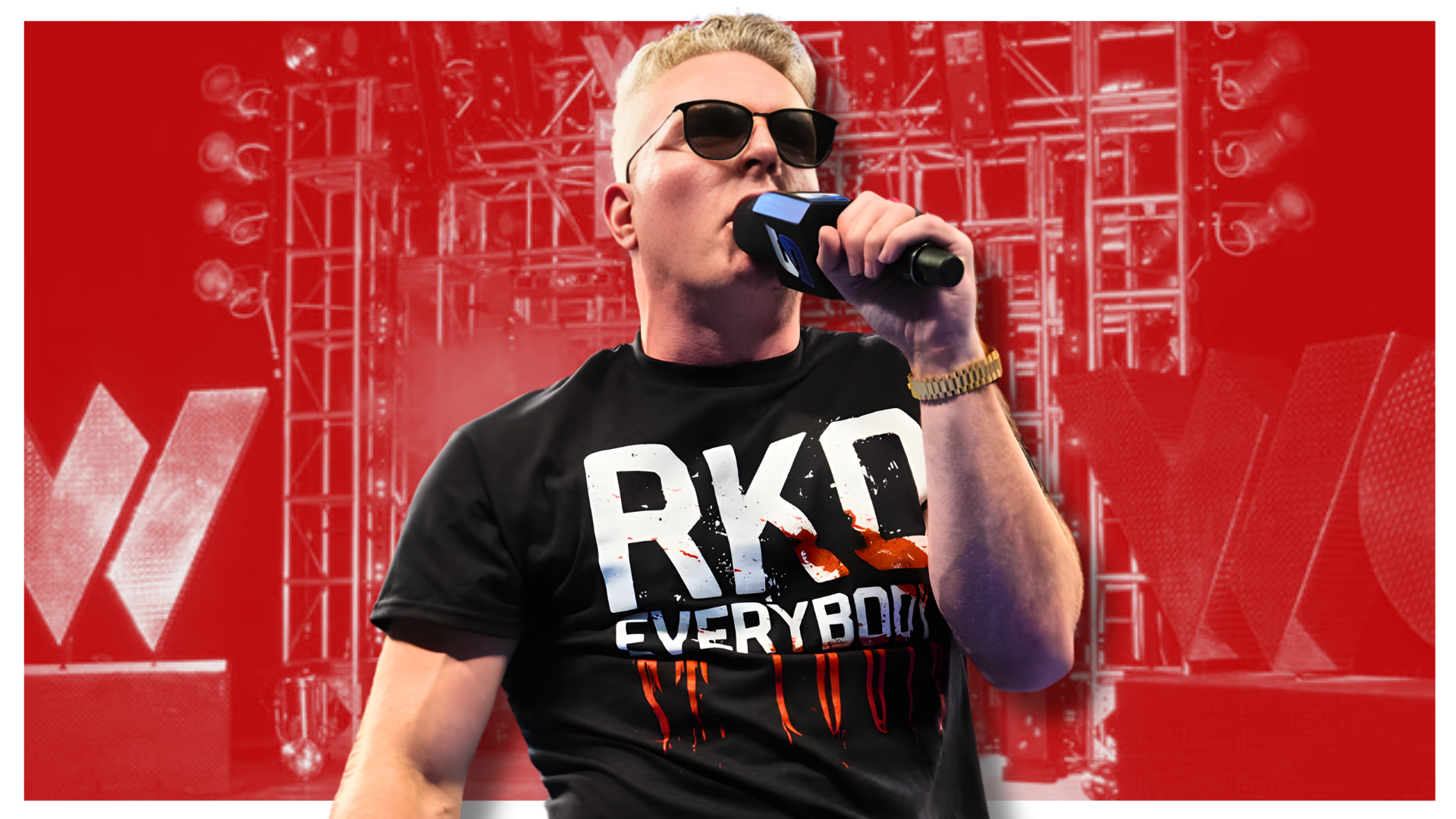
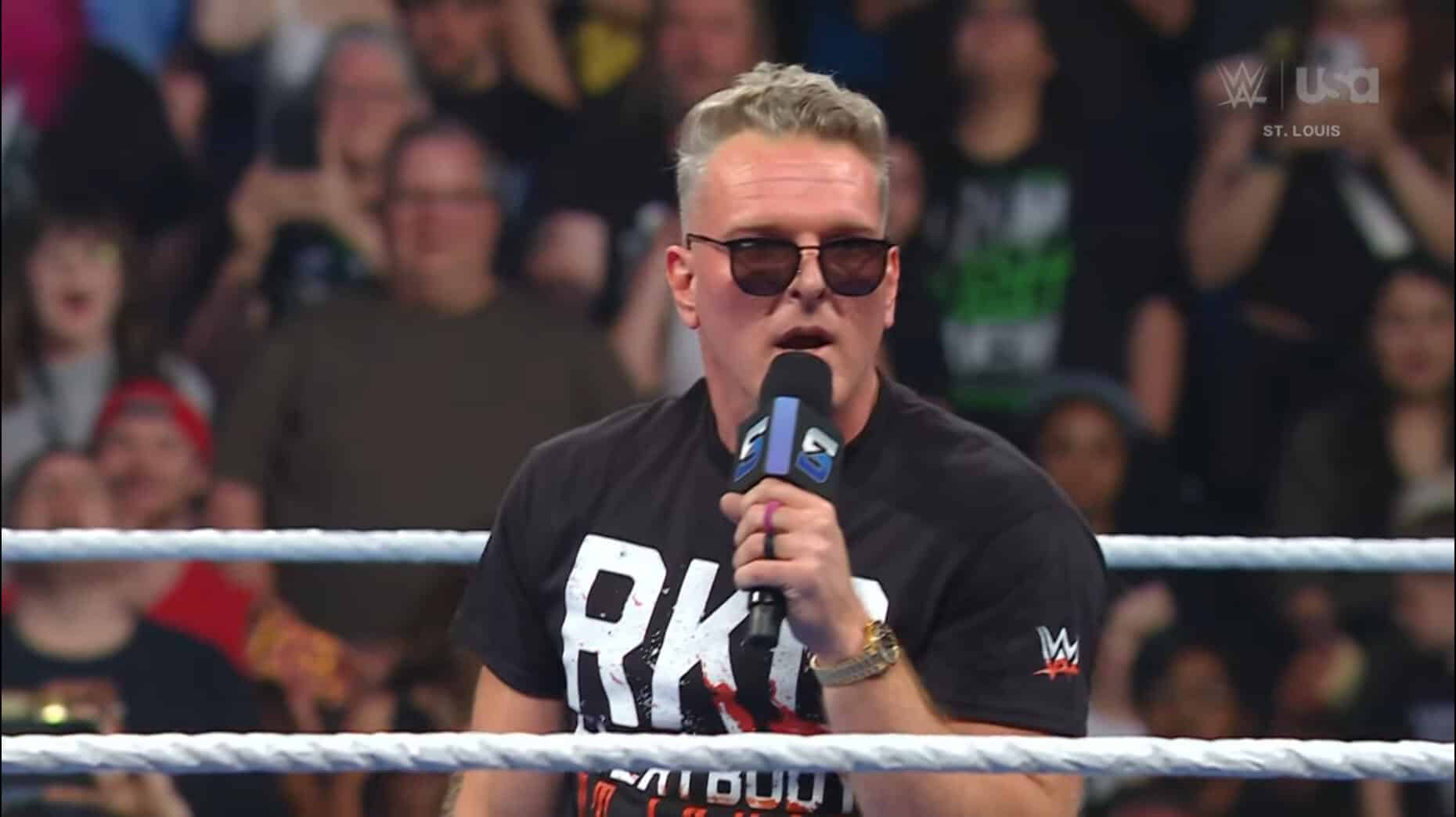
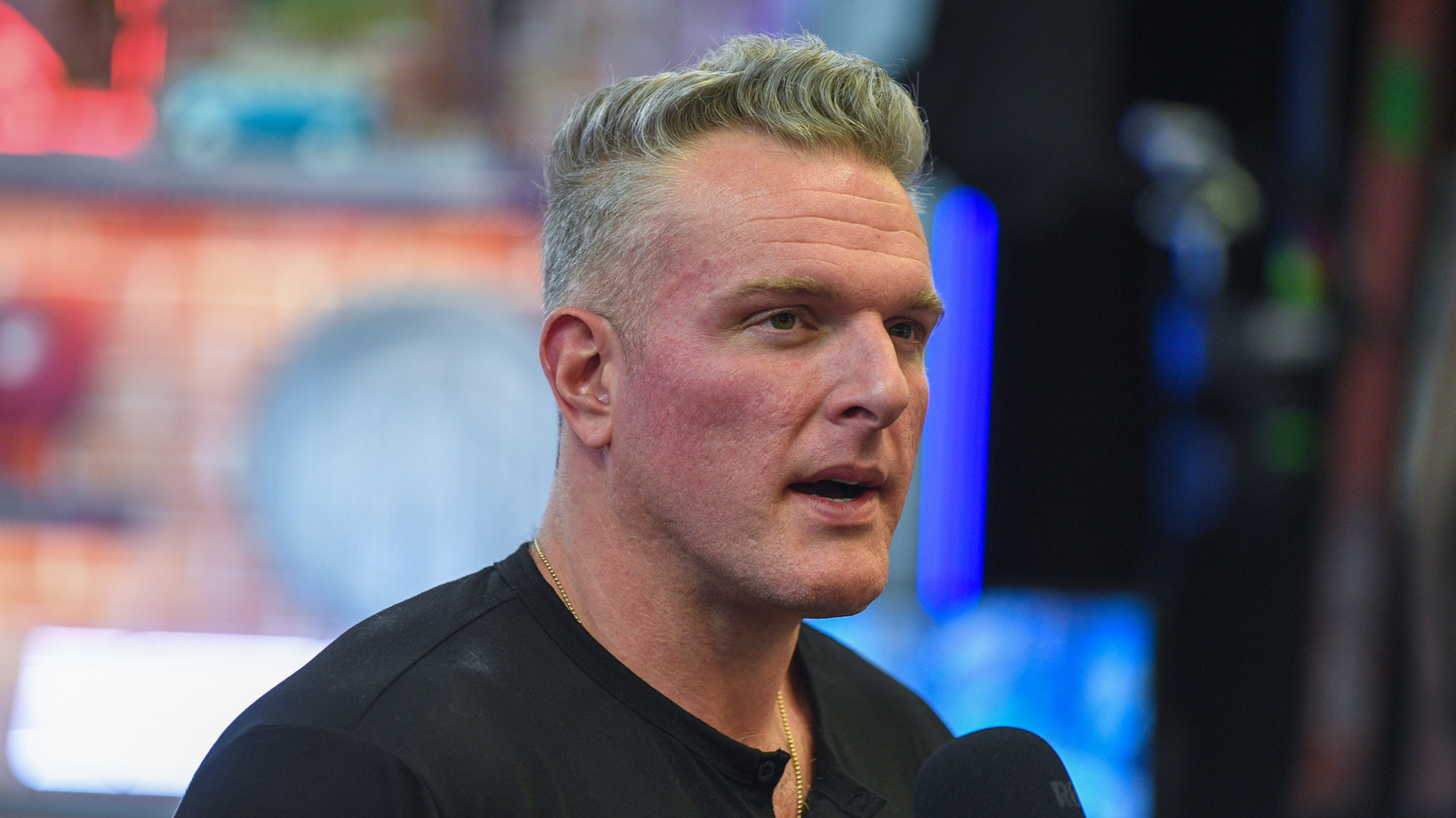
Pat McAfee returned to WWE SmackDown this week, prompting an investigation into the professional proximity between his media platform, Netflix, and TKO leadership. This move suggests a trajectory that moves beyond the ring gear and into corporate synergy. When looking at the numbers behind such media-wrestling crossovers, we find a distinct pattern of talent acquisition strategies.
McAfee’s footprint in WWE has been consistent since his full-time departure from the commentary desk. He has maintained a presence as a special attraction rather than a daily asset. In his latest outing, the engagement data from social media outlets suggested an immediate spike of 18% in mentions for the brand shortly after his segment began at 9:15 PM.
Connecting the dots in the boardroom
Reports trace ties between McAfee and TKO executive Ari Emanuel, highlighting how media personalities are increasingly viewed as distinct assets in the quarterly earnings call. The strategy mimics the recent reporting on the Netflix-WWE partnership, which seeks to capitalize on the crossover appeal of podcast hosts within the professional wrestling format.
The efficiency of this model is found in the conversion rate of casual sports viewers to daily wrestling subscribers. Data indicates that when McAfee headlines a segment, the retention rate for the following fifteen minutes holds steady at 92 percent of the peak audience, compared to an industry average of 84 percent for non-marquee talent segments.
A cynical look at the booking
Despite the high engagement numbers, there is a tangible downside to this reliance on celebrity crossovers. The reliance on established names like McAfee creates a bottleneck for newer, full-time performers. The reliance on part-time appearances has arguably stunted the growth of talent currently active in the mid-card, with undercard average viewership shares dropping by 6.5 percent year-over-year.
While the business model is effective for short-term visibility, it places a heavy burden on the long-term roster. Relying on an outside contributor to anchor a television segment mid-show limits the narrative space for wrestlers working a 200-plus day schedule. The numbers favor the bottom line, but the tactical execution leaves the weekly product feeling structurally hollow on occasions where celebrity appearances do not align with storyline progression.
The upcoming calendar, including WWE’s strategic planning for the next quarter, suggests this trend is not fading before WrestleMania 41. If the goal is maximizing raw eyeballs for the Netflix transition, they are hitting the marks. If the goal is cultivating new stars, the current data trend of stagnant mid-card growth remains a red flag that no amount of podcast-fueled hype can entirely mask.