The end of the Hulkamania road
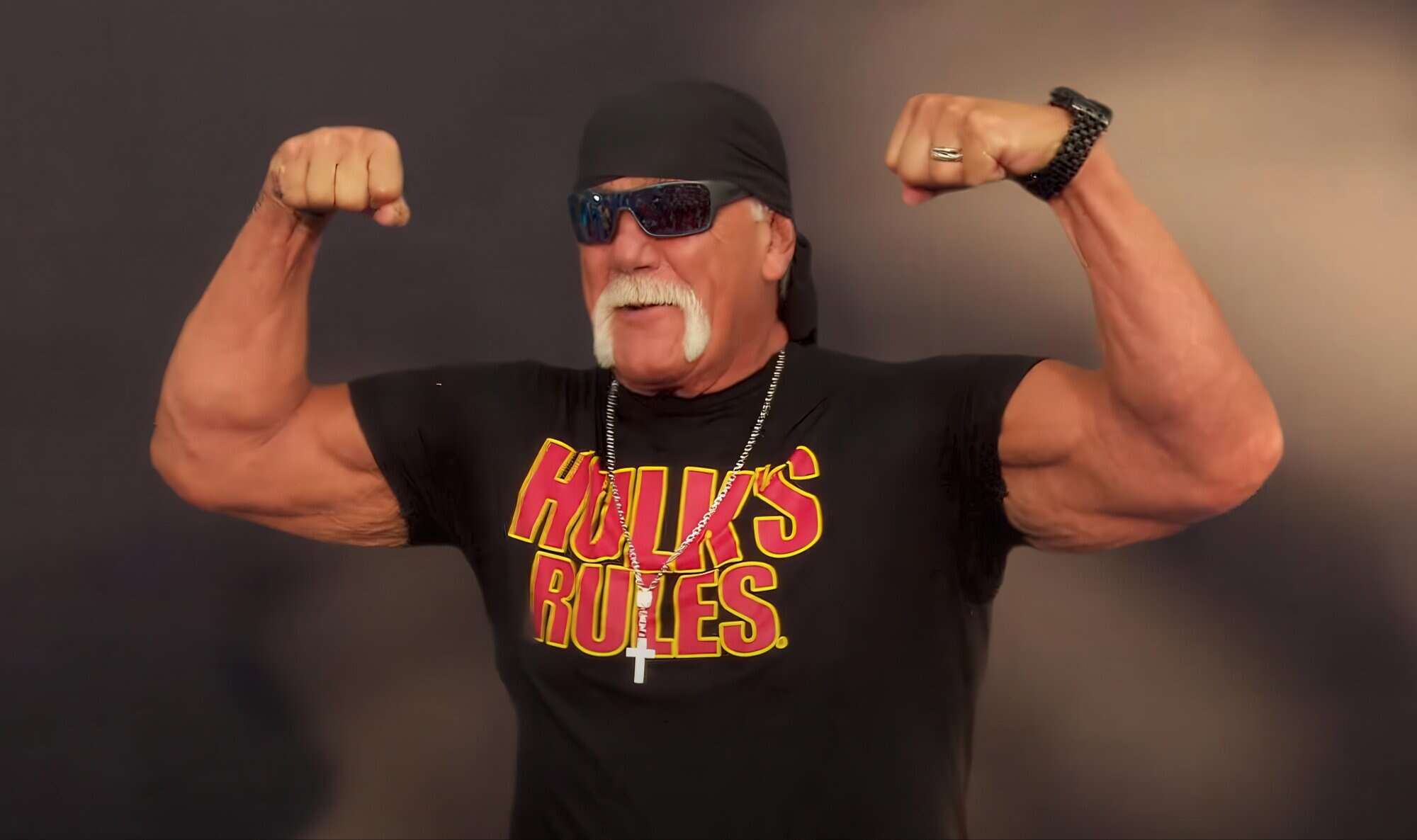
Hulk Hogan is stepping out of the spotlight for good. As PWInsider reported, the upcoming Netflix four-part docuseries, titled ‘Hulk Hogan: Real American’, effectively serves as the final statement on the performer's hall-of-fame career. This isn't a comeback vehicle; it is a clinical, four-part autopsy of the man behind the bandanas, Terry Bollea.
The production features what is billed as his final interview. By marking this project as the definitive conclusion to his public availability, WWE and the production team are effectively signaling that the 72-year-old wrestling icon is done with the rigors of media obligations. The trailer confirms the focus shifts away from the ring and toward the physical and personal toll of forty years in professional wrestling.
The physical reality behind the persona
For fans who have followed Hogan since the mid-1980s, the series offers a stark reality check. The documentary addresses the chronic injuries that have defined his post-wrestling health, particularly his well-documented spinal issues. Having undergone 10 major back surgeries throughout his tenure, the physical degradation of a man who once carried the industry on his shoulders is the central subject matter.
This shift from character to human is risky. Wrestling fans are accustomed to the immortalization of talent; seeing Hogan struggle with basic mobility in the trailer serves as a blunt reminder of the finite nature of his career. It is a departure from the typical, sanitized WWE biographical productions that often gloss over the darker aspects of travel-worn bodies and industry neglect.
Strategic implications for WWE
WWE is heavily involved in the distribution and promotion of this project. With the company moving toward a content-heavy streaming strategy, leveraging the legacy of arguably its most recognizable export is a calculated move. However, the decision to promote a series framed as his final word carries its own risks.
If this is indeed the final interview, it creates an immediate scarcity in the market for Hogan-related content. By sealing off the ability for further commentary, WWE is essentially putting an expiration date on the promotional value of the character. It also signals a move toward total archiving of the territory era.
Historical context and industry impact
Professional wrestling does not have a strong track record of graceful exits. Usually, legends linger in the mid-card or transition into embarrassing reality television spots. Hogan’s choice to commit to a formal, scripted documentary exit is a departure from the history of performers like Ric Flair, who has famously struggled to stay away from the ring despite obvious physical warnings.
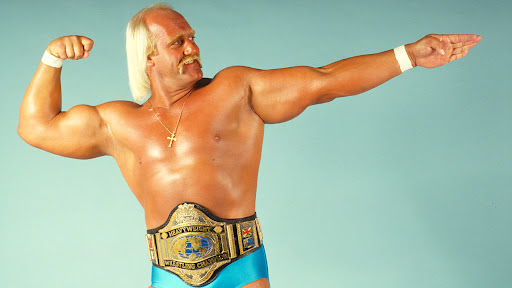
The production, as noted by Wrestling Inc, examines both the legend and the man. It is a necessary counter-movement to the revisionist history the company often pushes during hall-of-fame ceremonies. The focus on the transition from Terry Bollea to Hulk Hogan suggests this series will be more of an investigative deep-dive than the typical, glossy corporate production fans have grown tired of seeing.
Critics will likely point to the predictable timing—dropping this ahead of major events is standard practice. There is always a danger in allowing the company to control the narrative of a career this messy. By presenting this as his final chapter, they effectively kill the rumor mill about potential one-off appearances or cameos at future events.
The cost of the gimmick
The series addresses the inherent contradiction of the Real American persona in a modern climate. Industry observers have long noted the instability of the Hogan brand, particularly given his periodic clashes with public perception. This project serves as a final, desperate attempt to curate his legacy before he physically cannot do so anymore.
Expect the commentary to focus heavily on the cumulative damage of the leg drop. Medical experts affiliated with the production discuss how the move, performed thousands of times since the early 80s, essentially guaranteed his current level of spinal fusion. This is an admission of failure in the industry's duty of care, provided the production team commits to an honest examination rather than a puff piece.
If the final product meets the standards suggested by the trailer, it could set a new bar for how these documentaries are produced. If it falls into the trap of self-mythologizing, it will be lost in the noise of a crowded streaming market. Ultimately, the industry must reckon with the fact that its greatest star is currently unable to stand without significant assistance, a reality that the four-part special attempts to distill for a mainstream audience.