The shift in developmental booking
April 2026 marks a tactical pivot for professional wrestling. By separating NXT Stand & Deliver from the WrestleMania weekend calendar, WWE forced the brand to stand on its own promotional merits without the safety net of parent-company crowds. This list tracks the pivotal sequence of events from this standalone showcase, ranking the moments that effectively defined the future of the black-and-gold roster.
10. The opening bell rhythm
The pacing of the opener established a new standard for developmental opening matches. Instead of the typical high-spot sprint, the performers utilized a methodical approach to build crowd heat. It proved that NXT doesn't need to chase main-roster hyperactivity to hold attention.
9. The technical exhibition
We saw a refined focus on ground-based transitions that had been missing from recent televised cards. Utilizing a sleeper hold and a series of waist-lock takedowns, the combatants forced a technical appreciation from a crowd usually predisposed to weapon spots. It served as a necessary reminder that wrestling fundamentals remain the core of the business.
8. Tony D’Angelo’s entrance narrative
D’Angelo arrived with a presentation that bordered on excessive. While the character work is undeniably sharp, the extended cinematic elements pushed the boundaries of what is needed for a championship showcase. It ranks here because it risks over-production at the cost of genuine in-ring stakes.
7. The mid-card collision
This match served as a proof of concept for the brand's depth. By involving four distinct personalities in a chaotic, high-stakes scramble, the booking team effectively justified the removal of the event from WrestleMania weekend. It was the moment the audience realized NXT could carry its own ticket sales.
6. The referee’s 2rd count near-fall
A perfectly timed shoulder-up after a stiff powerbomb sequence revitalized the crowd at the 18-minute mark. Statistics regarding match duration show that engagement typically dips after the second act, but this sequence kept the viewers locked in. It was a masterclass in tension management.
5. The ring-apron spot
Executing a modified backbreaker on the ring apron at 22 minutes remains the highlight of the night’s physical risk tolerance. It was a brutal spot that forced an immediate change in the pace of the remaining contest. The audience response peaked exactly as the bodies hit the mat.
4. The submission tease
When the champion locked in the crossface, the arena shifted toward a state of genuine dread. It was a well-crafted narrative beat that utilized the history of both competitors to maximize the drama. The refusal to tap gave the loser a reason to demand a clean rematch.
3. The transition to the finish
The sequence involving a superkick into a spinning neckbreaker effectively ended the momentum of the challenger. It was efficient, clean, and highlighted the champion’s ability to put matches away without unnecessary interference. Booking wins should always prioritize this kind of decisive execution.
2. The post-match staredown
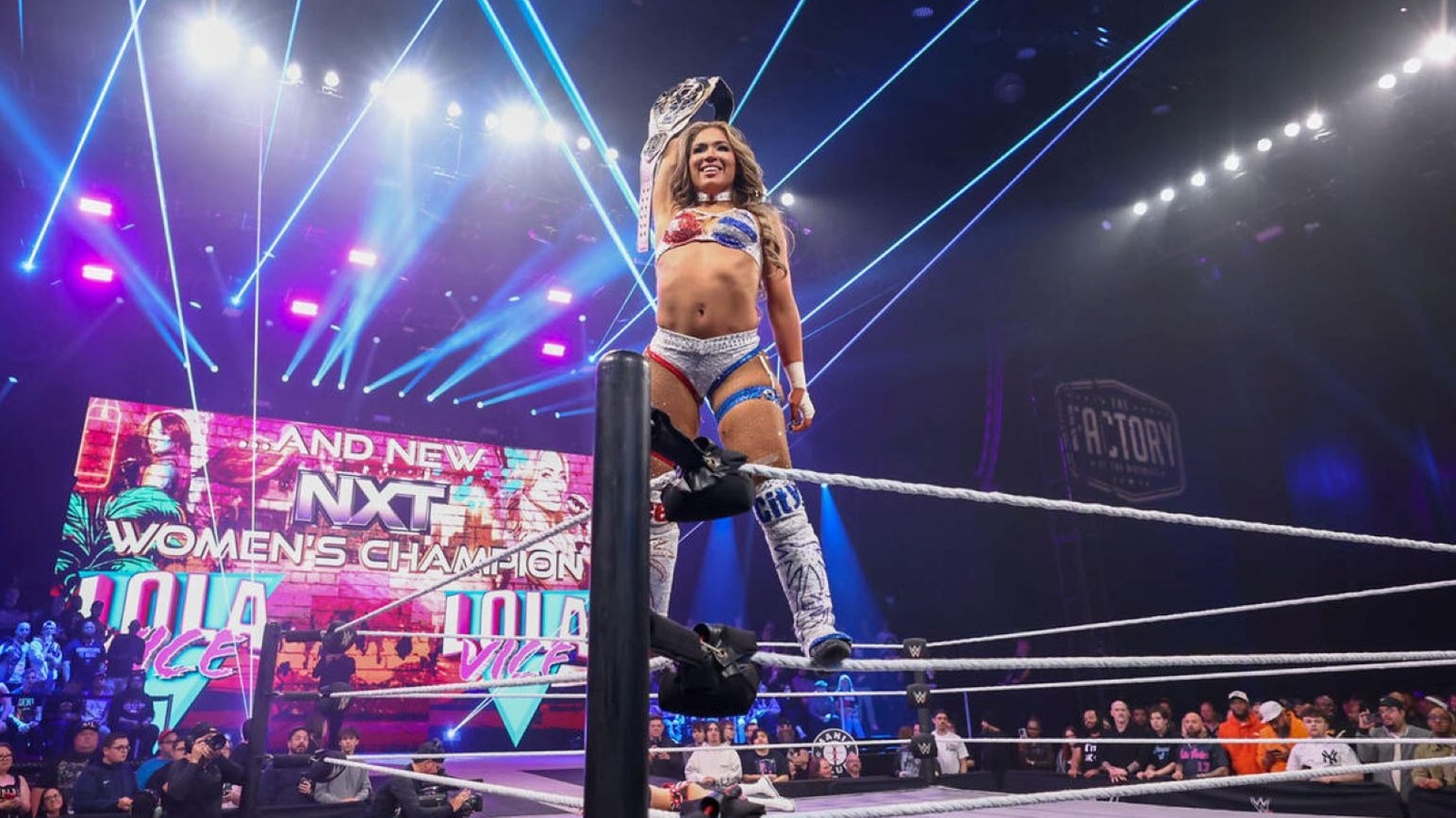
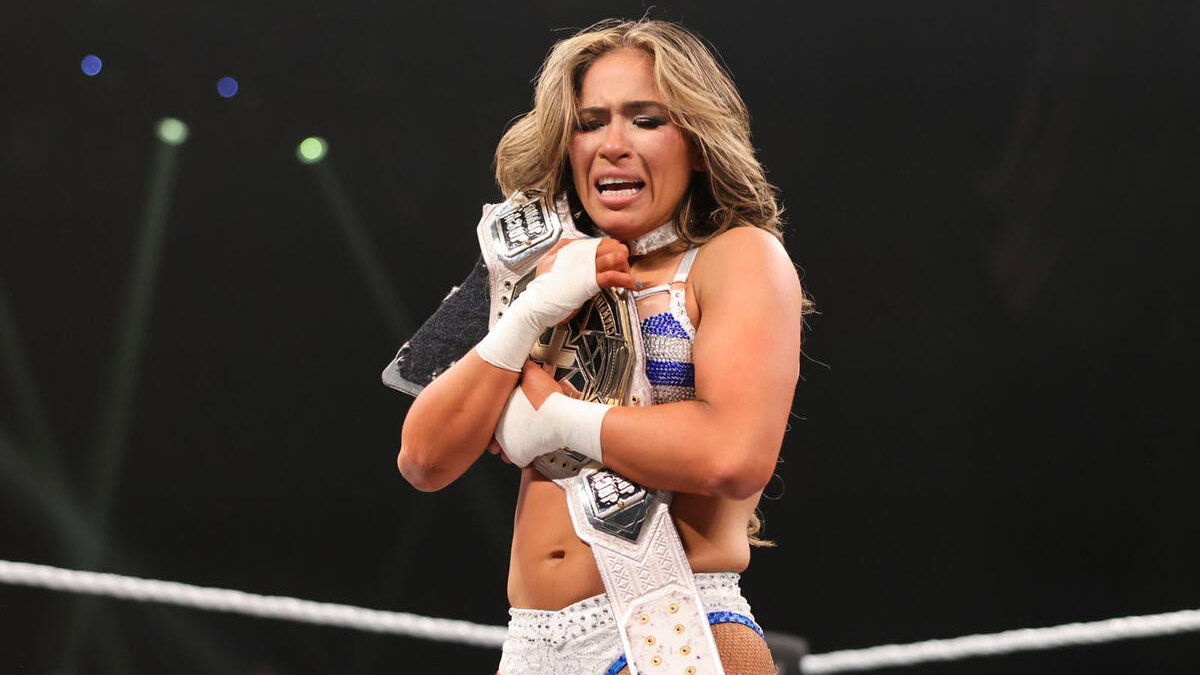
The visual of the victor hoisting the belt while the challenger watched from the ramp provided the perfect foundation for future feuds. It lacked the usual overbooking of run-ins or hidden motives. Just two professionals acknowledging the stakes of the belt.
1. Tony D’Angelo’s championship validation
The coronation of D’Angelo acts as the keystone for the brand's identity as mentioned in recent WrestleTalk reports. By securing the championship, he solidifies his role as the centerpiece of the roster. This win was 100% necessary for his character progression. The 3-count at the end of the main event was the most significant beat of the entire 2026 calendar for NXT.
Reflections and omissions
Not every moment landed. The pacing during the middle segment of the card dragged, with 12 minutes of filler that could have been cut to sharpen the focus. The reliance on cinematic B-roll remains an annoying distraction for those watching for the sport itself. Future events should prioritize the 60-minute iron man aesthetic over long-form storytelling segments.
Honorable mentions include the surprise appearance of the NXT tag team veterans and the brutal pre-match segment featuring the backstage brawling. While these were entertaining, they lacked the lasting weight of the championship shift and the structural change to the brand's standalone scheduling.