The posthumous accounting of a wrestling myth
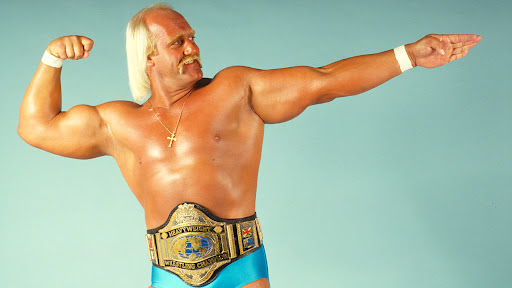
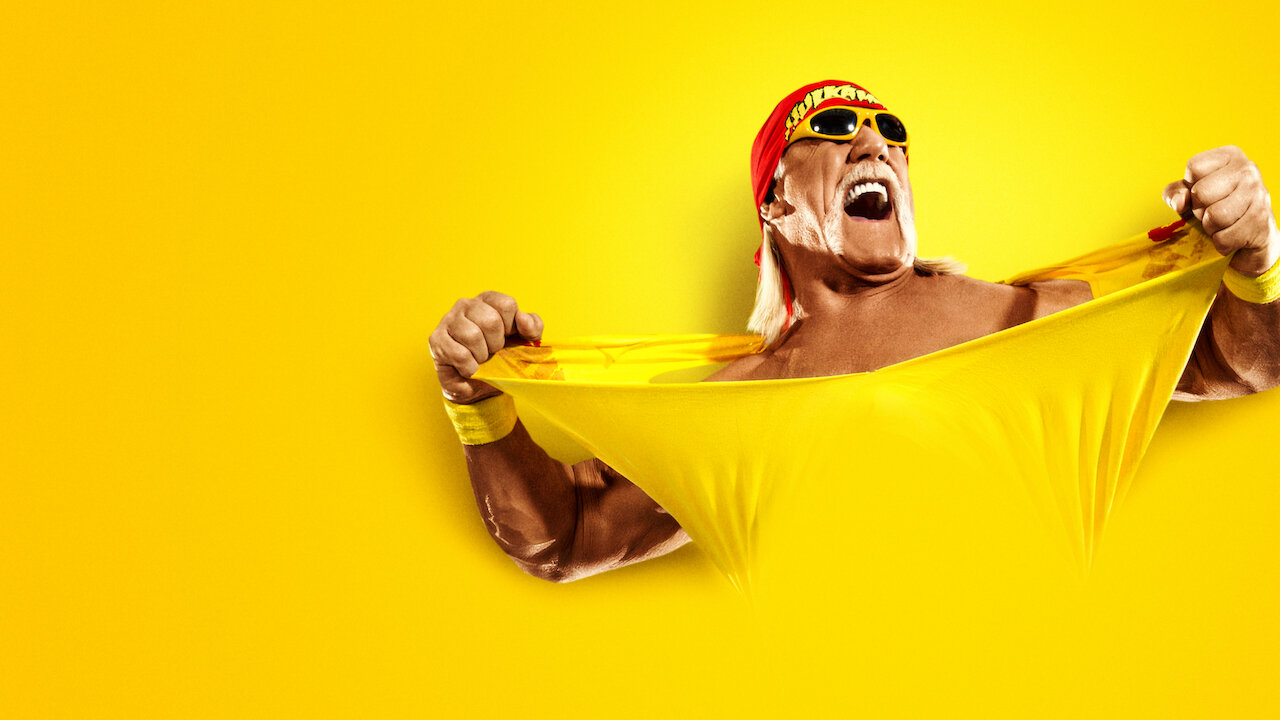
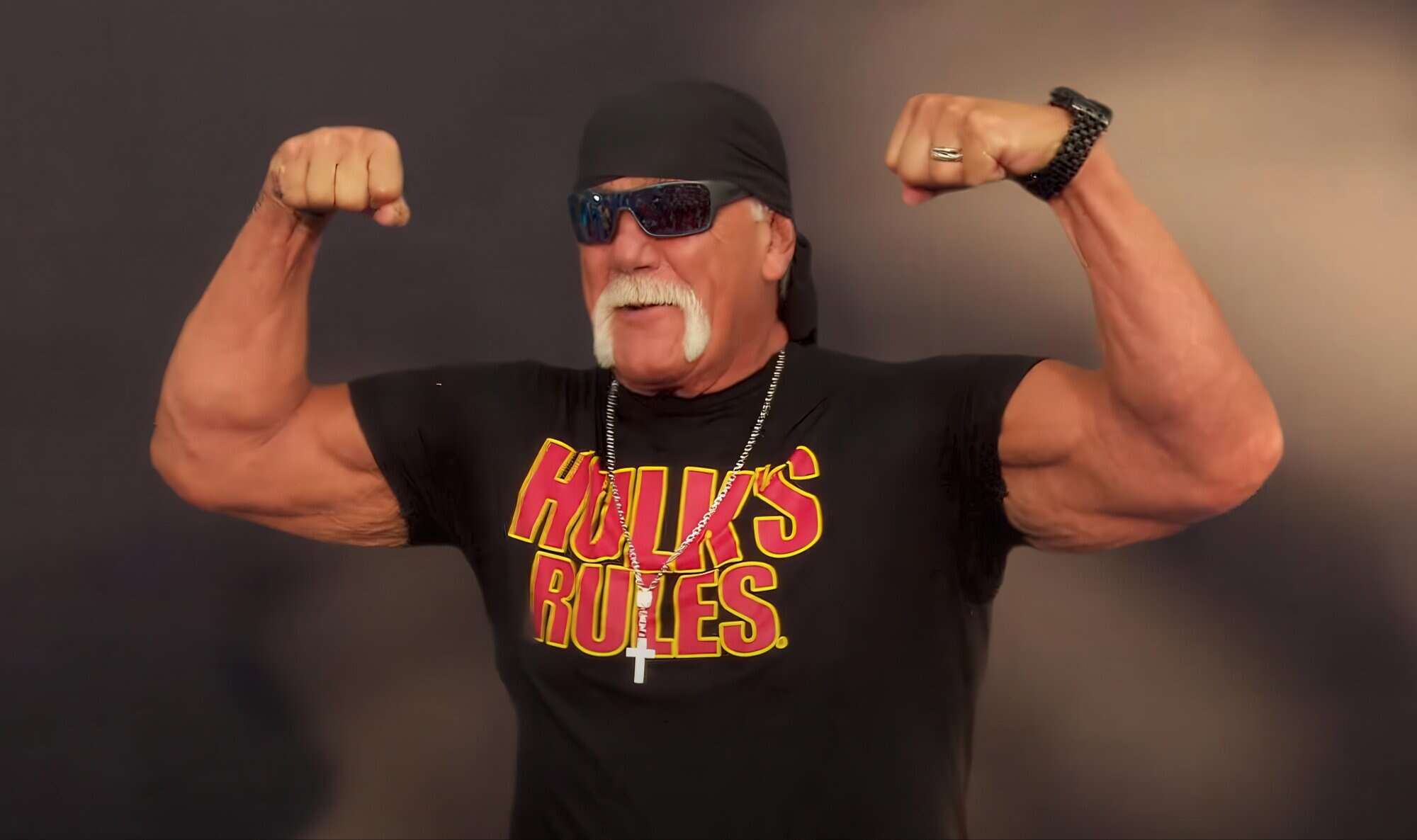
The lights on the Hulk Hogan era haven't truly dimmed, but they have certainly changed color. Tomorrow, April 23, 2026, Netflix premieres 'Hulk Hogan: Real American,' a docuseries that arrives with the heavy weight of being a definitive, posthumous look at the most influential figure in the history of the industry. It is a release that forces a cold, statistical reckoning with a career that was often built on inflated numbers and impossible myths.
For decades, Hogan was the ultimate numbers game. From the fabricated attendance of 93,173 at WrestleMania III to the massive licensing revenue of the 1980s, the brand was always bigger than the man. But as PWInsider reported, this new series doesn't just look at the victories; it looks at the inventory of a broken body and a corporate machine that never knew when to stop pushing for the next 'title line.'
The shadow of the TNA experiment
To understand the disconnect between the Hogan myth and the Hogan reality, one has to look at the years 2010 through 2013. This was the TNA era, a period where the business attempted to replicate the 1990s lightning in a bottle. The numbers, however, told a different story. While Hogan was being paid millions to serve as the face of the promotion, the television ratings remained stubbornly stagnant, rarely fluctuating beyond a 1.15 average rating.
The cost of that stagnation was more than financial. We now know, through reports from Ringside News, that Hogan was operating under a fog of extreme fentanyl use during this specific three-year window. It is a staggering revelation that recontextualizes every hobbled walk to the ring and every shaky promo. He was a man holding together a billion-dollar legacy with the most dangerous synthetic opioids available, all to maintain a television product that wasn't actually growing.
This is the dark math of professional wrestling. Hogan underwent over 25 surgeries in his later years, a statistical reminder of the toll the 'leg drop' took on a spine that was never meant to sustain that much impact. In TNA, the ROI on his physical destruction was virtually zero. The company didn't gain a larger market share, and Hogan didn't gain a new generation of fans; he only gained a deeper dependence on the medical infrastructure required to keep the Real American standing.
Vince McMahon and the obsession with branding
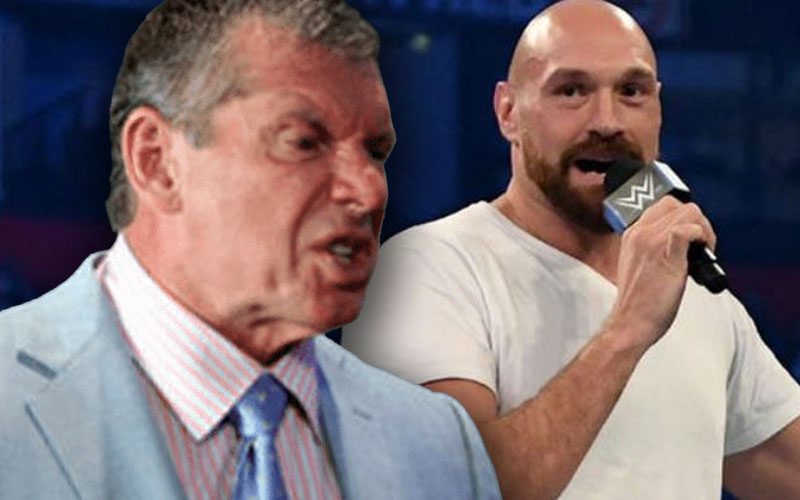
The Netflix series also highlights the contrast between the human performer and the corporate stewards of their image. A newly surfaced story via Ringside News details how Vince McMahon once 'blew up' during Tyson Fury’s 2019 run in WWE. The cause of the explosion? A missed 'title line' during a broadcast. McMahon was reportedly obsessed with ensuring Fury was referred to as the 'Lineal Heavyweight Champion' at every possible juncture.
The corporate erasure of the individual
This micro-management of language is a hallmark of the WWE system, and it explains why the Hogan brand was able to survive so many personal and physical scandals. To McMahon, the performer was a vessel for the trademark. In 2019, when Fury was brought in for Crown Jewel, the branding took precedence over the logic of the match itself. The 'Lineal' tag was a specific marketing hook designed to lend legitimacy to a crossover spectacle.
When you compare McMahon’s obsession with a single line of dialogue to the reality of Hogan’s fentanyl use, the cynicism of the industry becomes clear. The office cares about the 100% accuracy of the branding while often remaining willfully ignorant of the 0% stability of the performer’s health. Hogan was the prototype for this dynamic. He was the first wrestler to become a global IP, and as a result, he was the first to be treated as a product that couldn't be allowed to break, even when it was already shattered.
The statistical decline of Hogan’s drawing power in his later years is often ignored by the WWE machine. They focus on the 'Mount Rushmore' legacy, but the data from his final decade of active involvement shows a performer who was actively hurting the long-term health of the companies he worked for by sucking up oxygen and budget. In TNA, the massive salaries paid to Hogan and his associates led to a budget deficit that the company never truly recovered from before its eventual sale and rebranding.
The final tally of the Real American
As we watch the archival footage tomorrow, the most important number isn't the title count or the years spent at the top. It is the gap between the man and the myth. Hogan was a performer who stayed active until 2013, long after his body had reached its mathematical limit for punishment. The fact that he was reportedly using fentanyl just to survive the 'Hogan' schedule is a damning indictment of the 'show must go on' mentality.
The docuseries will likely attempt to sanitize some of this with the usual high-production sheen, but the numbers don't lie. Between the failed ratings of the TNA era and the physical breakdown that led to his reliance on extreme medication, the Hogan story is a tragedy of over-extension. He was a man who became a prisoner of his own statistics, forced to keep the 'Real American' alive because the brand was too big to let die.
There is a bitter irony in the Tyson Fury story as well. McMahon’s fury over a missed line shows a man who valued the perfection of the script over the reality of the situation. It’s that same mentality that allowed Hogan to go out there in a fentanyl-induced haze. As long as the right words were said and the right music played, the office was satisfied. The human cost was simply an entry in the 'miscellaneous' column of the ledger.
Ultimately, 'Hulk Hogan: Real American' is a look at a man who spent his life chasing a version of himself that only existed in 80-character headlines and three-minute promos. The data suggests he succeeded in building the brand, but the price he paid—and the drugs he took to pay it—is the real story that the numbers finally tell. It is a cautionary tale for the next generation of superstars: the brand will outlive you, and the office will only remember if you missed your line.