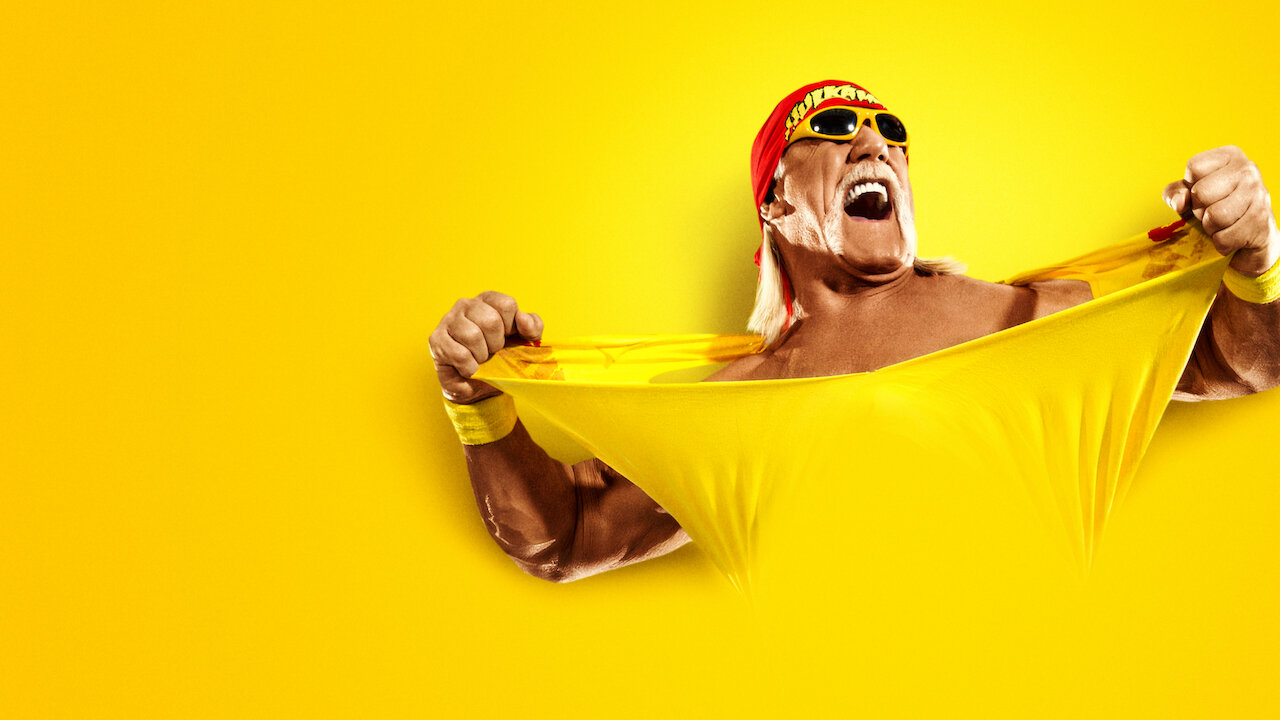
The Netflix machine turns its focus to the yellow and red
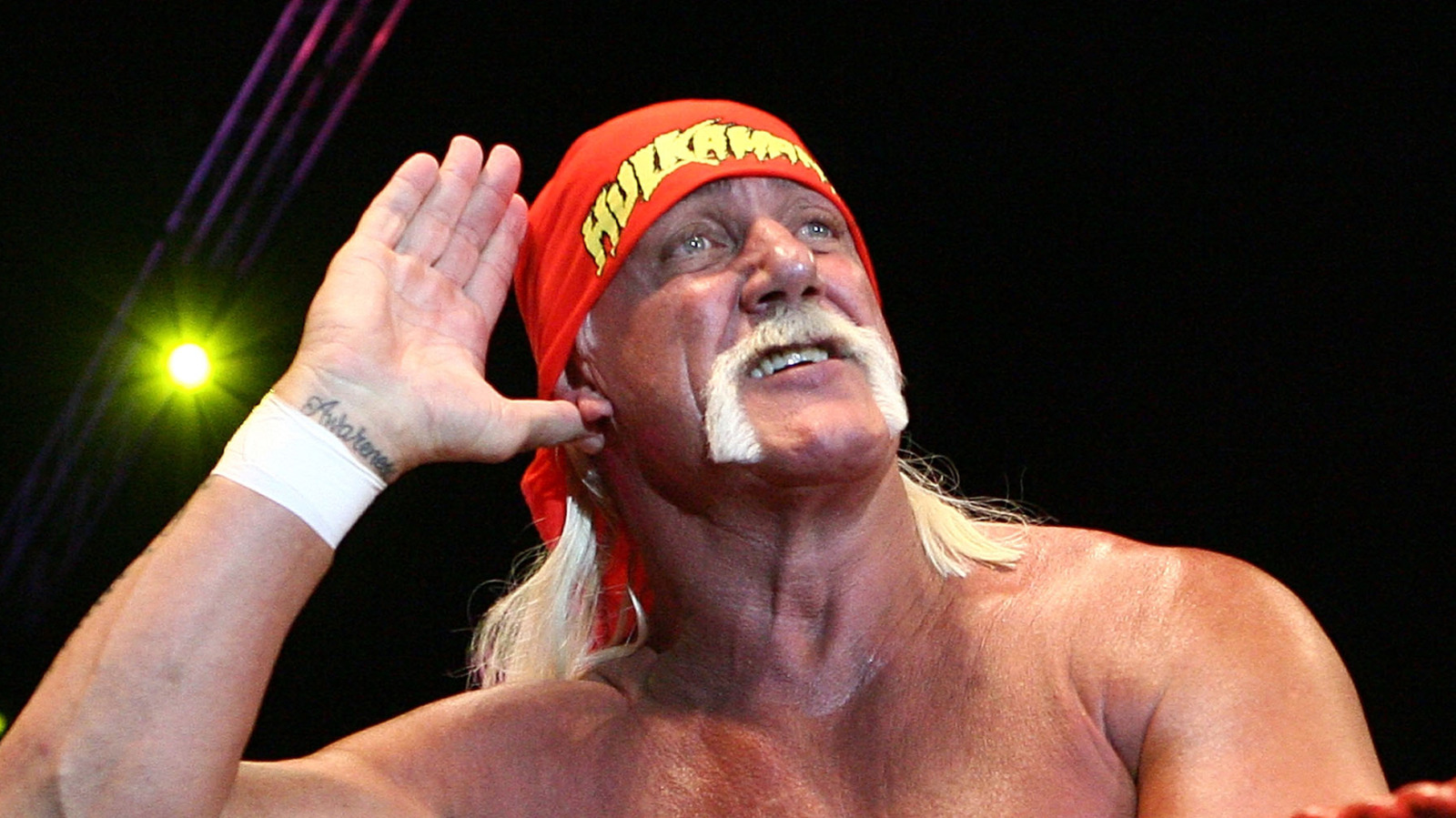
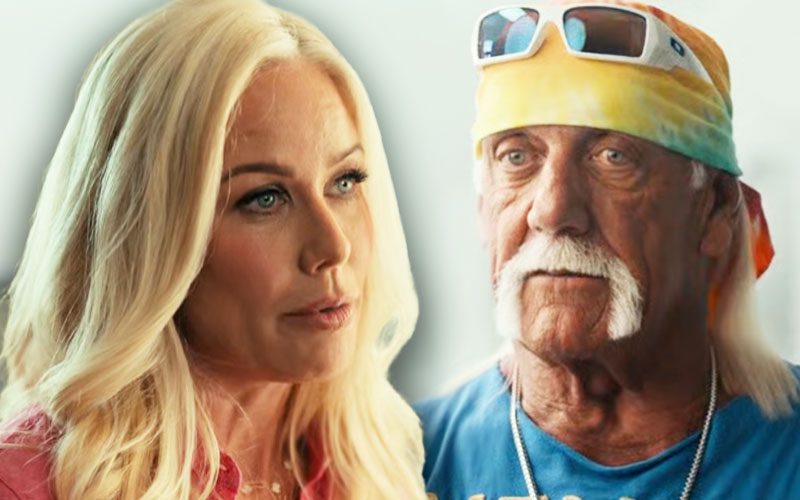
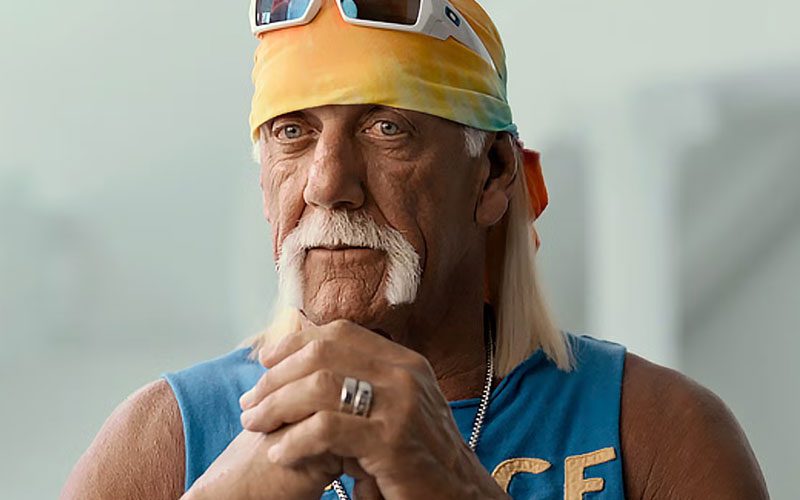
The numbers are in, and they are exactly what the TKO board wanted to see. Hulk Hogan: Real American has spent its first week dominating the Netflix charts, proving that even in 2026, the brand of Hulkamania remains an indestructible commodity. It is a massive win for a platform that is still relatively new to the high-stakes world of professional wrestling content after the landmark Raw move last year.
But as the viewership figures climb, the cracks in the narrative are already beginning to show. While F4WOnline reported the series as a categorical success, the noise coming from inside the industry suggests this is less of a documentary and more of a first week victory lap for a man who has spent forty years polishing his own statue. It is the classic Hogan problem: the legend is always more important than the truth.
Wrestling fans are used to the sanitized version of history that WWE produces. We have seen it with the various iterations of the Monday Night War docs where WCW is painted as a chaotic mess and Vince McMahon is the lone visionary. With Netflix now holding the camera, there was a hope we might get something closer to the bone. Instead, we got a glossy, high-budget reaffirmation of the myth.
Big Sexy and the three-hour disappearing act
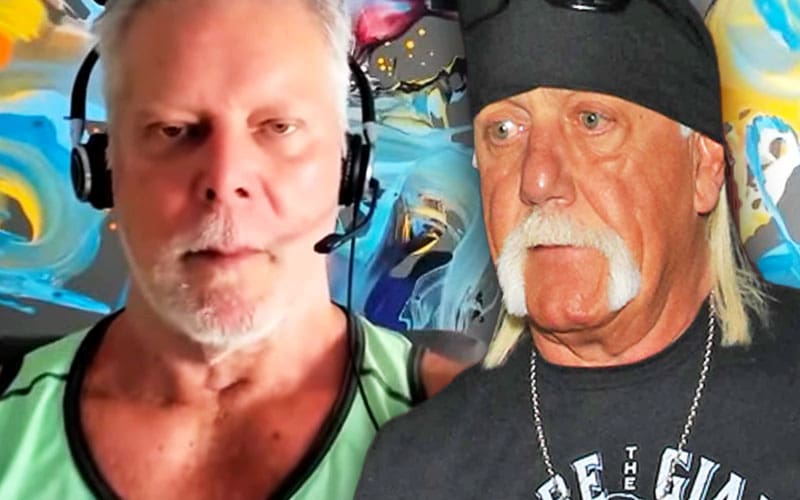
The loudest voice of dissent comes from someone who knows exactly where the bodies are buried. Kevin Nash, the man who helped Hogan jumpstart the New World Order, is not hiding his disgust with the final product. According to reports from Ringside News, Nash is furious after sitting for a 3-hour interview that was essentially erased from existence.
Nash claims that after hours of detailed discussion about their time together in WCW and the reality of Hogan's backstage influence, he was reduced to a few seconds of screen time. This is not just an editing choice; it is a tactical removal of a witness. Nash has spent the last few years on his podcast being brutally honest about the business, often to the chagrin of the old guard. He is the one person Hogan cannot control with a handshake or a 'brother.'
When you cut a man like Nash out of the story, you are telling the audience that you are afraid of what he has to say. Nash represents the gritty reality of the 1990s wrestling boom—the contracts, the ego clashes, and the creative control clauses that eventually choked the life out of WCW. By silencing Big Sexy, the producers of Real American have opted for a fairytale instead of a history lesson.
The Hogan filter remains undefeated
This has always been the Terry Bollea way. Since he first captured the WWF Championship in 1984, Hogan has been the ultimate gatekeeper of his own image. He has a unique ability to misremember facts in a way that always places him at the center of the universe. In the Hogan version of history, he was the one who told Andre the Giant how the WrestleMania III match would go five minutes before the bell. In reality, the work was done weeks in advance.
The Netflix docuseries seems to lean into this revisionism. It skips over the darker corners of the 2010s, including the Gawker trial and the racial slurs that saw him briefly erased from the Hall of Fame, with a light touch that borders on negligence. It treats these moments as hurdles he overcame rather than character-defining failures. It is PR disguised as journalism, a trend that is becoming increasingly tiresome in the streaming era.
The problem is that the modern wrestling fan is too smart for this. We live in an age of shoot interviews, dirt sheets, and social media leaks. We know that Hogan's 'creative control' wasn't just a rumor; it was a weapon. We know that he stayed at the top by making sure nobody else could climb the ladder. When a documentary ignores these facts, it loses the respect of the core audience that actually lived through those eras.
Why the numbers don't tell the whole story
Netflix will point to the 'Top 10' list and declare a total victory. And from a financial perspective, they are right. The casual viewer, the person who remembers Hogan from a lunchbox or a Saturday morning cartoon, will eat this up. They want the nostalgia. They want to hear the theme music and see the shirt ripping. They don't care about the politics of the Nitro locker room in 1998.
However, for the health of wrestling media, this is a step backward. If the biggest platform in the world is willing to let subjects edit their own history, we will never get a truly honest look at this industry. We are seeing a No. 1 ranking for a product that is essentially an infomercial for a retired wrestler's legacy. It sets a dangerous precedent for future projects involving names like John Cena or Roman Reigns.
There is a cynical efficiency to it. TKO wants Hogan to be a usable asset again. They want him at the big shows, waving to the crowd and selling t-shirts. Netflix wants hours of content that people will click on. Hogan wants to be loved. Everyone gets what they want except for the truth-seekers like Nash, who are left wondering why they bothered to show up for the interview in the first place.
Looking ahead to the post-Hogan landscape
As we sit here on April 29, 2026, the wrestling world is moving at a breakneck pace. We are only 10 days away from WWE Backlash, and the focus should be on the new generation of stars who are actually putting their bodies on the line. Cody Rhodes is coming off a massive WrestleMania 41 defense, and the bloodline drama is reaching a new fever pitch. Yet, we are still talking about a man who hasn't wrestled a meaningful match in two decades.
That is the power of Hogan, but it is also the burden. He is a ghost that refuses to leave the building. By giving him this massive Netflix platform without any real oversight, the industry is signaling that it isn't ready to move on. It is still addicted to the high of the 80s boom, even if the price of that high is a complete abandonment of historical accuracy.
My critical observation here is simple: this docuseries is a failure of nerve. Netflix had the budget and the access to make the definitive wrestling documentary of our time. They could have grilled Hogan. They could have let Nash speak for twenty minutes instead of twenty seconds. They could have explored the transition from the territorial system to the global conglomerate with a critical eye. Instead, they played it safe.
The verdict on Real American
If you want to see some cool old footage and hear Hogan tell some tall tales, you will love this show. The production values are through the roof, and the archival stuff is top-notch. But if you want to understand why Hulk Hogan is the most polarizing figure in the history of the business, you are going to have to look elsewhere. You certainly won't find it in this three-part ego-trip.
Kevin Nash's frustration is the most honest thing about this entire rollout. He represents the audience's desire for authenticity in a business built on work. When he says he was cut out, he is telling us that the documentary is a work. And in wrestling, when the documentary is a work, the whole thing falls apart. We are left with a shiny, hollow shell that looks great on a TV screen but feels empty the moment the credits roll.
Hulkamania might live forever on Netflix, but the real story of Terry Bollea is still waiting to be told. It won't be told by Hogan, and it won't be told by a streaming giant looking for an easy hit. It will be told in the spaces between the edits, in the interviews that were cut, and in the voices that were silenced to make sure the hero remained untarnished.
Prediction
Expect more of these 'sanitized' docs as we head into the summer. Netflix has found a winning formula with the casual crowd, and they won't change it just to please a few thousand hardcore fans on the internet. Hogan will likely make a massive appearance at Backlash to celebrate the success of the series, and the cycle of nostalgia will continue unabated. I predict the doc will stay in the Netflix Top 10 for at least another three weeks, further cementing Hogan's status as the man who can sell a lie better than anyone else in history.