The politics of the octagon
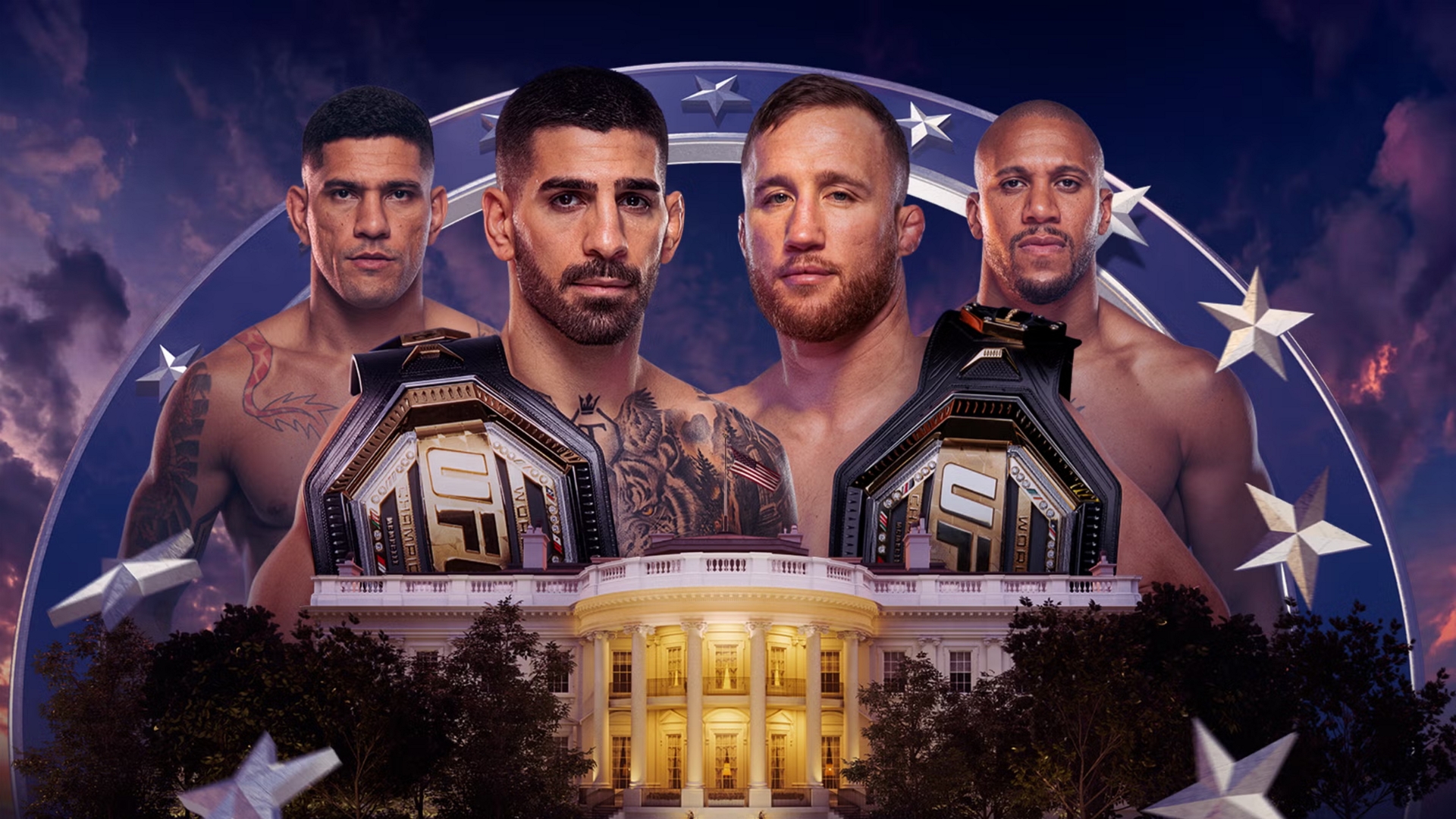
TKO is moving forward with the Freedom 250 card at the White House this June, despite clear signs that the event is a financial sinkhole. Corporate leadership appears comfortable swallowing a significant loss to secure the optics of hosting fights on the lawn. It is a bold move that highlights how deeply the promotion prioritizes brand visibility over immediate gate revenue.
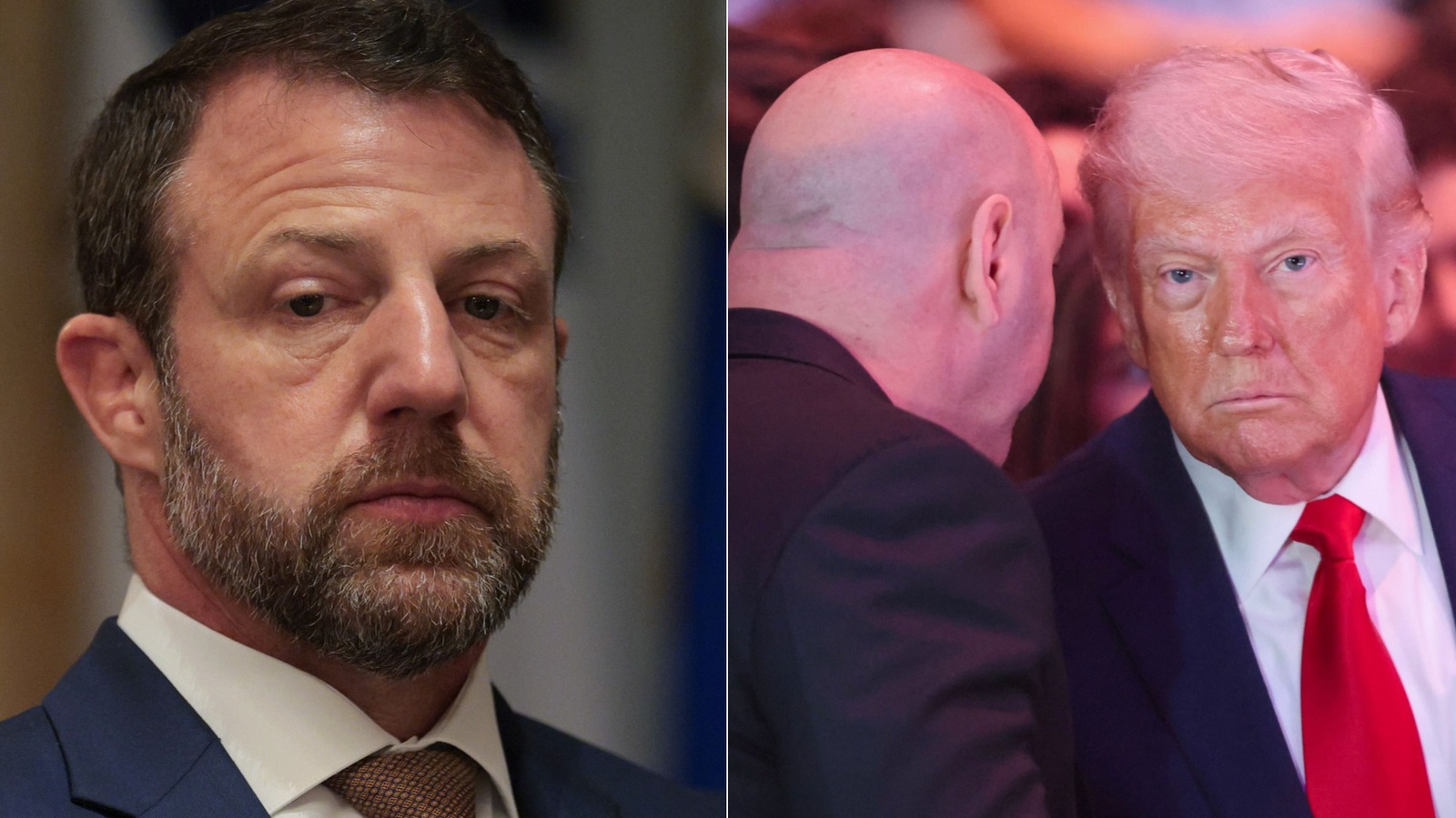
Not everyone in the locker room is buying the narrative. A prominent UFC fighter recently broke cover to voice harsh opposition, labeling the event a mistake and going as far as to call President Trump an "Antichrist." Such vocal dissent is rare in an era where fighters usually play nice to secure sponsorship, proving that the move to the White House has exposed internal fractures within the roster.
Why TKO is taking the hit
Financial reports suggest the decision to host Freedom 250 is less about balance sheets and more about political capital. For a company like TKO, the willingness to lose money on a high-profile spectacle is a strategic play for long-term influence. They are betting that the association with 1600 Pennsylvania Avenue provides value that cannot be measured in ticket sales or pay-per-view buys.
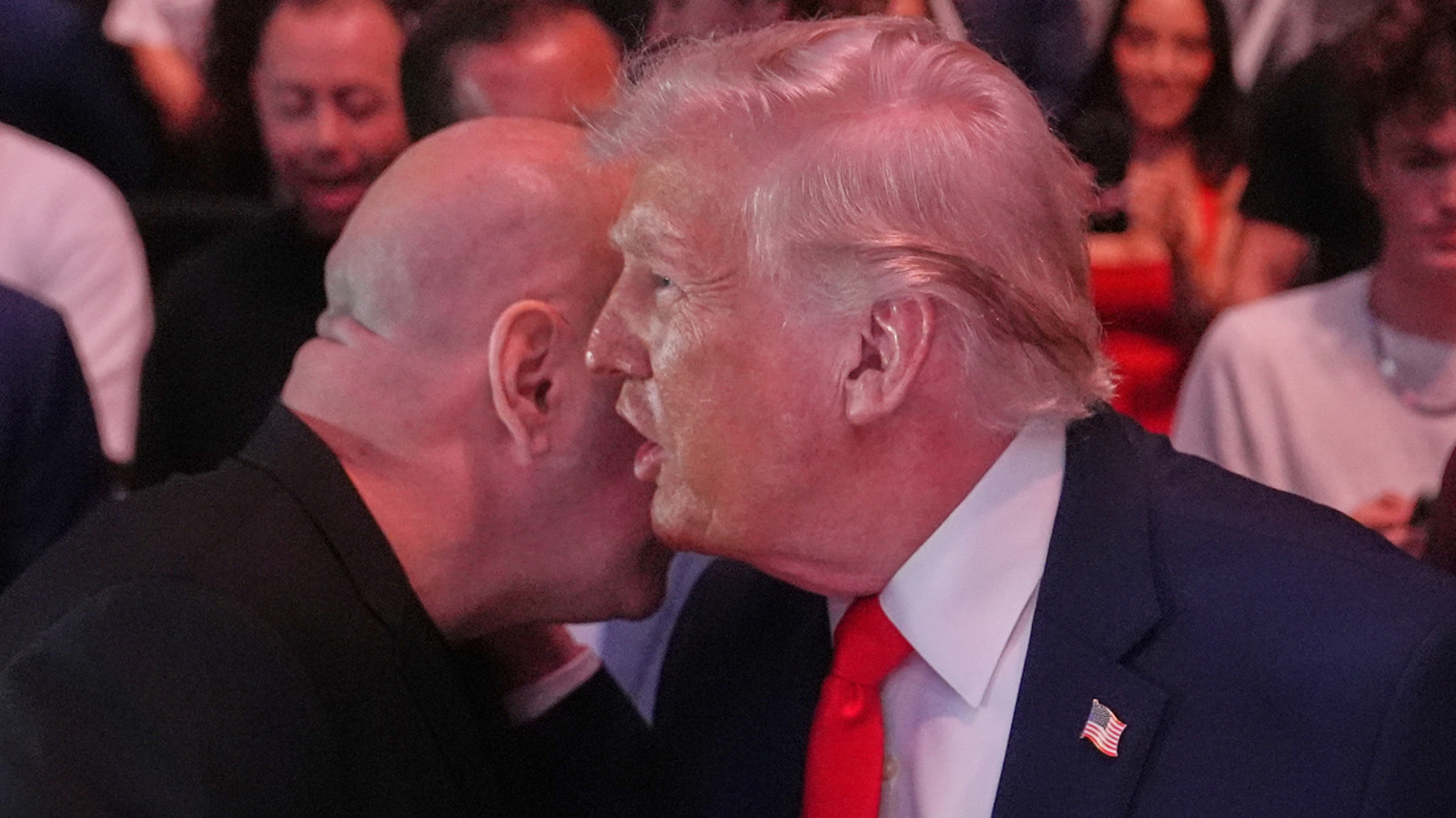
The optics of the event remain highly polarized. While Dana White has often leaned into political alliances, this specific card represents a departure from traditional arena venues into a space where the fighter-first culture of the sport clashes with federal pageantry. Critics argue that forcing a fight card into such a rigid, high-security environment creates a detached feeling that lacks the grit of a standard UFC Apex night.
Shifting gears toward June
While the White House card dominates the headlines, the promotion is simultaneously balancing its standard schedule. The calendar remains packed, with Belal Muhammad and Gabriel Bonfim set to headline a Fight Night event on June 6 at the UFC Meta Apex. Edman Shahbazyan and Brendan Allen are locked in for the co-main event, providing a technical contrast to the chaotic build-up of the Freedom 250 show.
Managing the international audience remains the other massive headache. As the Sterling vs. Zalal timelines show, the promotion is constantly juggling time zones to keep the fan base engaged. If the broadcast friction for a standard Apex card is already this high, one has to wonder how they plan to manage the unique production hurdles of a live White House broadcast.
The danger of alienating the base
There is a specific risk in chasing these high-profile political events. When a promotion becomes defined by its proximity to power rather than the quality of its matchmaking, the fan base begins to notice. We have seen this before in other sports; once the politics overshadow the performance, the product inevitably suffers.
The pushback within the ranks is the most concerning variable for TKO. If more fighters begin to follow the lead of the dissenter who publicly criticized the card, the company will face a PR nightmare on top of their planned earnings loss. A successful card requires buy-in from the athletes, and right now, the enthusiasm for the White House stage seems concentrated in the boardrooms rather than the gym.
With June 6 approaching fast, the contrast between the business logic of Freedom 250 and the actual sport-centric events like the Meta Apex show couldn't be sharper. Every minute spent managing political fallout is a minute not spent refining the actual fight product. We will see by early summer if this high-stakes bet pays off for the bottom line or if it serves as a warning against mixing combat sports with partisan branding.