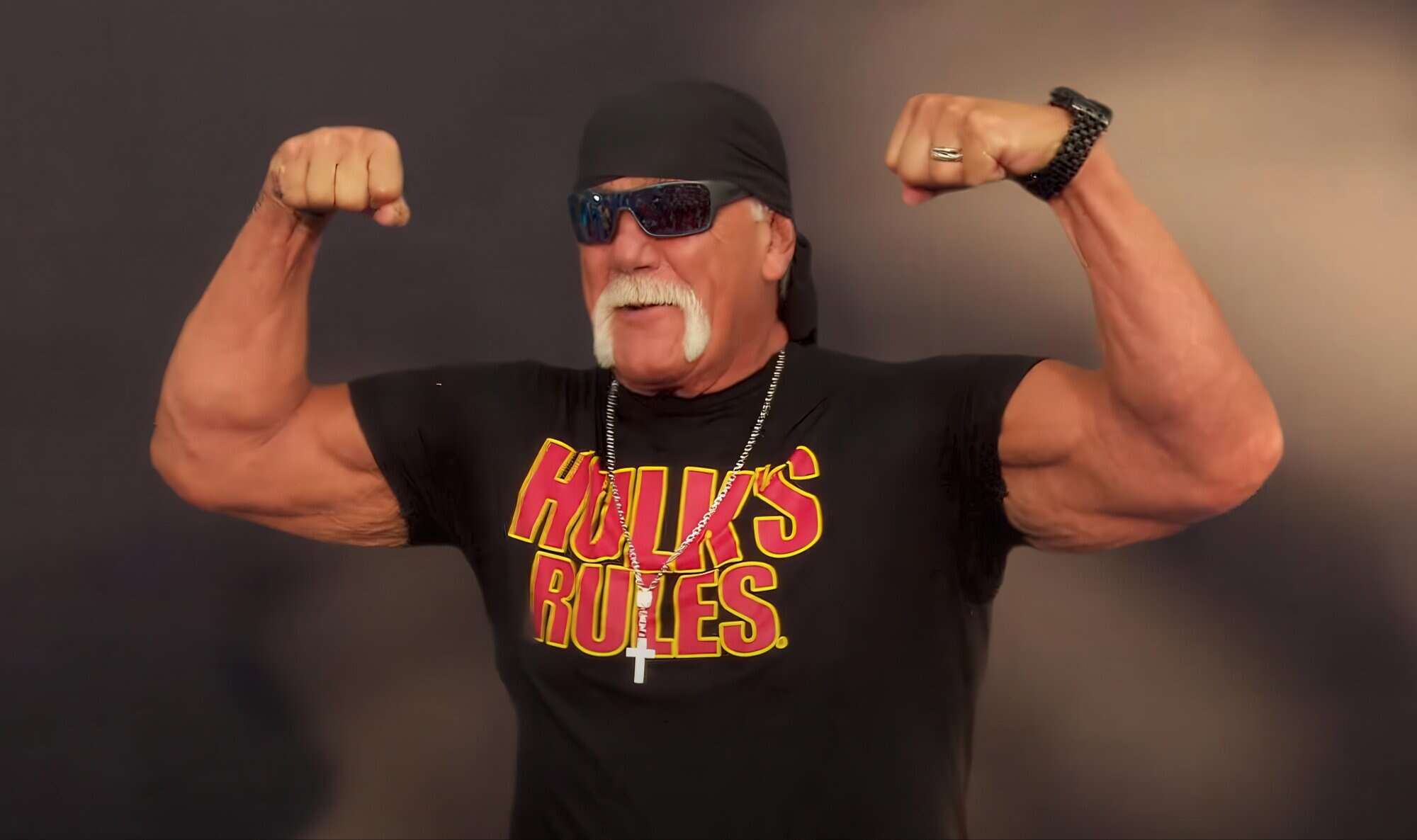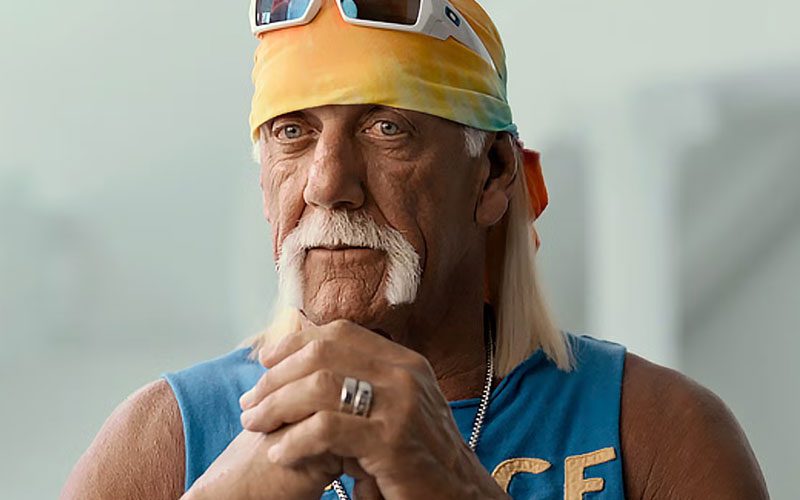
The new "Real American" documentary exposes deep rifts
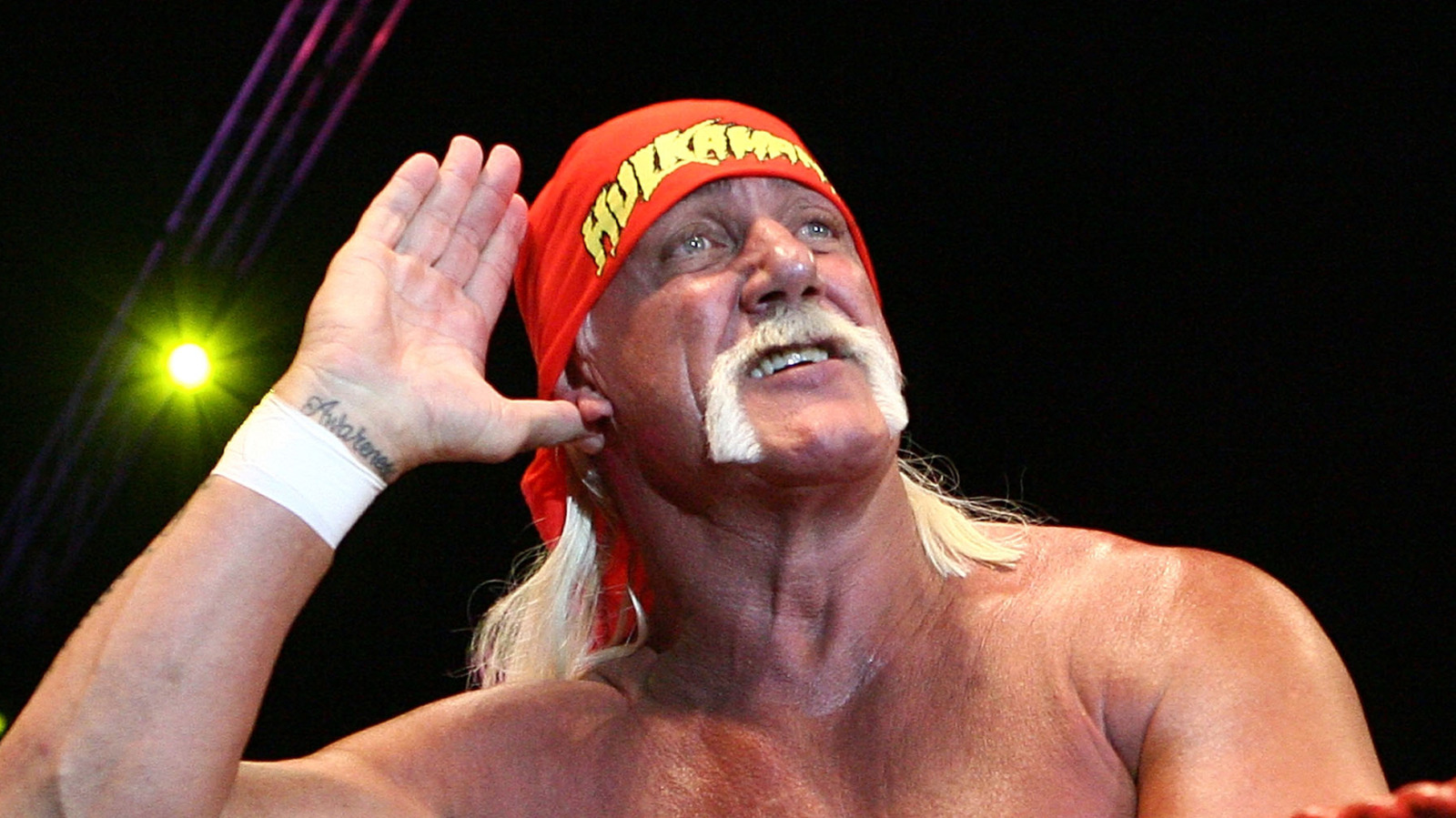
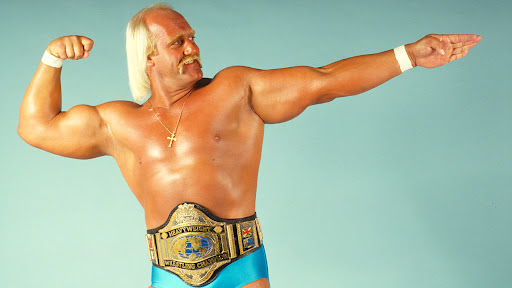
Netflix dropped its highly anticipated "Real American" project recently, and it has acted more like a grenade than a tribute. While the film aimed to chronicle the life and career of Terry Bollea, the fallout has been immediate and aggressive. It has provided a platform for old blood feuds to resurface and forced the family to confront a public narrative they clearly despise.
The documentary features candid interviews that move far beyond the usual corporate sheen of a WWE-sanctioned production. Most notably, Bret Hart did not mince words regarding his long-time rival. He slammed Hogan as a "backstabbing, knife-wielding piece of shit." It is a reminder that even in death, the real-life animosities of the 1980s and 90s wrestling elite remain unhealed.
"Backstabbing, knife-wielding piece of shit."
The sentiment from Hart captures the reality that professional wrestling history is often written in blood and resentment. While Triple H recently told outlets that "You can argue that we wouldn’t be here without Hulk Hogan," the documentary forces fans to balance that commercial necessity against the toxicity of the man himself. It is a dual-track narrative that feels increasingly uncomfortable to reconcile.
The Hogan family fallout and medical allegations
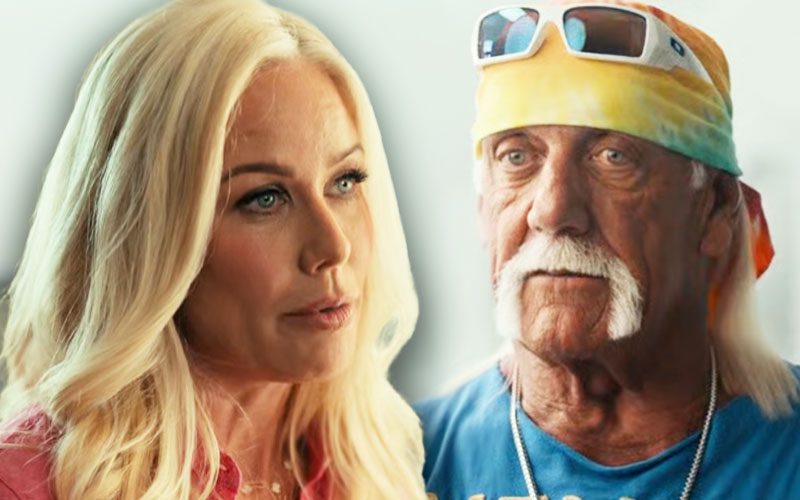
Brooke Hogan has emerged as one of the most vocal critics of the film, claiming she was effectively buried in the edit. She describes feeling erased from her own father’s history. Her grievances aren't just about screen time; she claims the documentary left her feeling like she simply does not exist within the context of the Hogan family saga.
This emotional turmoil is compounded by her explosive accusations regarding her father’s final medical years. Brooke has publicly stated that she believes some of the surgeries her father underwent were unnecessary and potentially damaging to his health. She is questioning the late-life medical decisions that marked his final run through the industry, casting doubt on the quality of care he received.
The procedural side of this story is even more chaotic. Believe it or not, the official autopsy report for Hulk Hogan, who died on July 24, 2025, from an acute myocardial infarction, is still under scrutiny. Brooke alleges that the document was being altered as recently as a few days ago. This creates a suspicious timeline regarding the official cause of death and suggests the legal and family battles are far from finished.
A history of substance abuse concerns
The documentary revisits uncomfortable truths about Hogan’s time in the industry, specifically his stint in TNA. Footage reveals that Hogan was consuming a volume of fentanyl that would likely kill an average person. The term "deadly" has been used by multiple outlets to describe the dosage levels he was maintaining during those years.
This revelation contextualizes the physical decline that plagued his final decades. When viewing his TNA tenure through this lens, the booking decisions of that era look even more negligent. Having a performer move through a wrestling ring while maintaining that level of chemical dependency represents a systemic failure that the show does not shy away from exposing.
WWE management moved with surprising speed to secure their legacy following the news of his death. Footage from the documentary shows the internal deliberation behind the ten-bell salute, highlighting how the organization manages public mourning. They have a formula for this, but the "Real American" project exposes just how messy the reality is beneath the production of a tribute.
Not everyone is impressed by the corporate handling of this history. Critics are pointing toward the documentary as a symptom of a larger problem: the sport's inability to move past its most problematic icons. By focusing so heavily on the "Real American" era, WWE is essentially trying to prop up a foundation built on questionable ethics.
Ultimately, the documentary serves as a stark reminder of the cost of the legends we grew up watching. Whether it is the substance abuse issues highlighted in reports from F4WOnline or the aggressive tone adopted by WrestlingNews.co, the consensus is clear. The "Real American" title feels increasingly ironic given the bleak details emerging about the man’s final years.
This is not the glossy retrospective some fans were expecting. If anything, the project has left the Hogan legacy in a more vulnerable state than it was in before the cameras started rolling. When official autopsies are still being amended nearly a year after death, you know the "official" story is far from being cemented.