Hogan's Netflix Numbers: A Hulk-Sized Head-Scratcher?
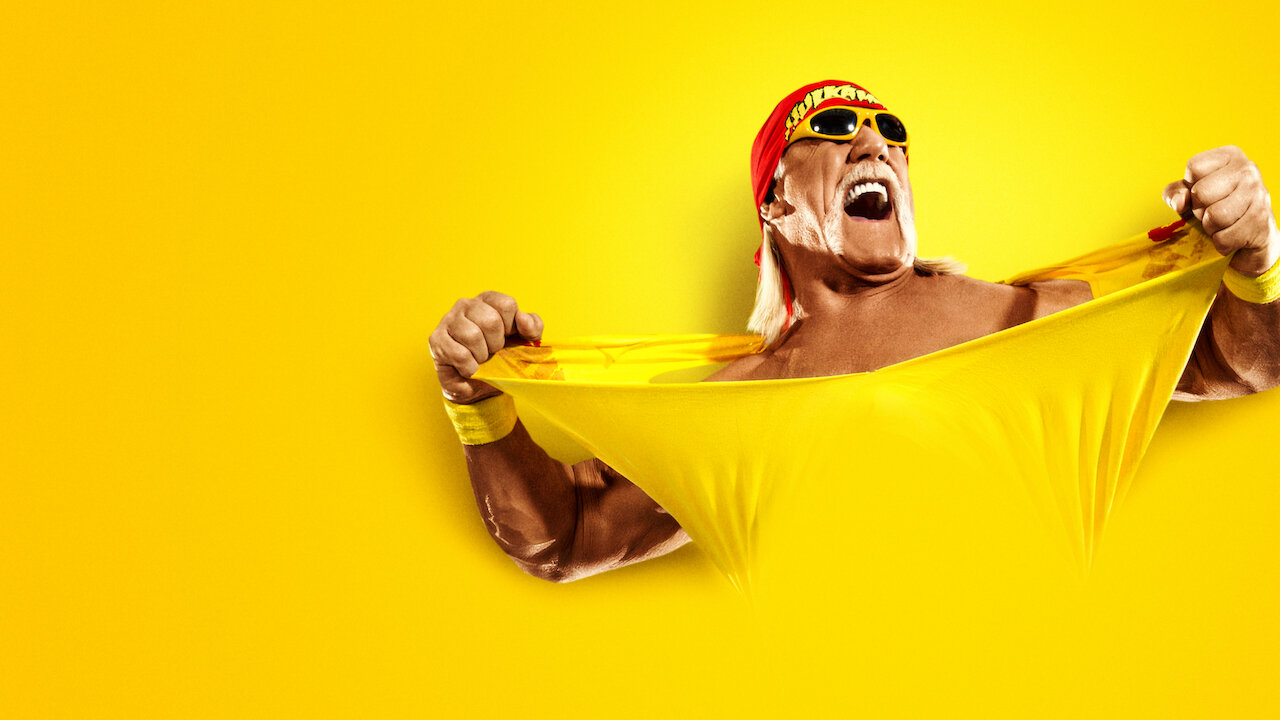
Let's get one thing straight, I love wrestling. I breathe wrestling. But even I, a man who once argued that the nWo paint was a metaphor for corporate greed, had to do a double-take at the news. Netflix, the streaming behemoth, dropped a docuseries about Hulk Hogan, and the word on the street is: it's pulling in 'strong first-week numbers.' Strong? For Hulk Hogan? In 2026? Brother, that's like finding out flip phones are suddenly outselling the latest iPhone. It's perplexing, it's wild, and it screams that there's more to this story than just nostalgia.
You'd think after everything, the controversies, the apologies, the un-apologies, the public excommunications, and the quiet re-integrations, the Hulkster's drawing power would be as deflated as a pre-match balloon animal. Yet, here we are. People are tuning in. And it forces us to confront a few uncomfortable truths about wrestling fandom, our collective memory, and the insatiable appetite for the problematic legend.
The Unkillable Monster: The Enduring Power of Hulkamania
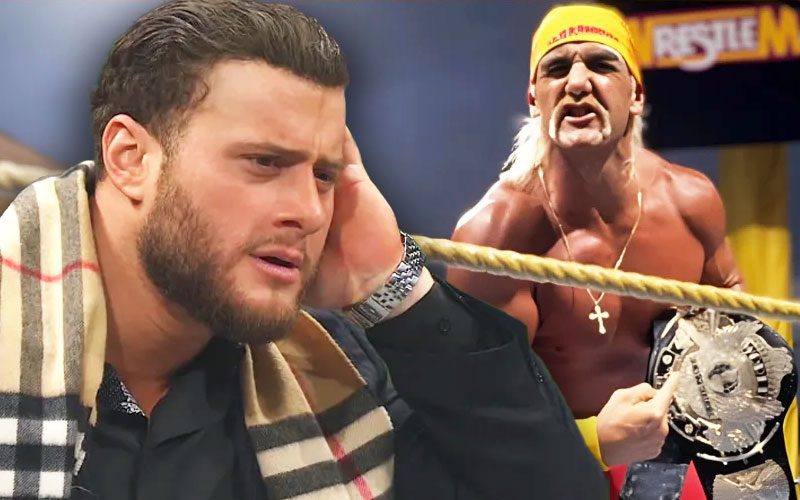
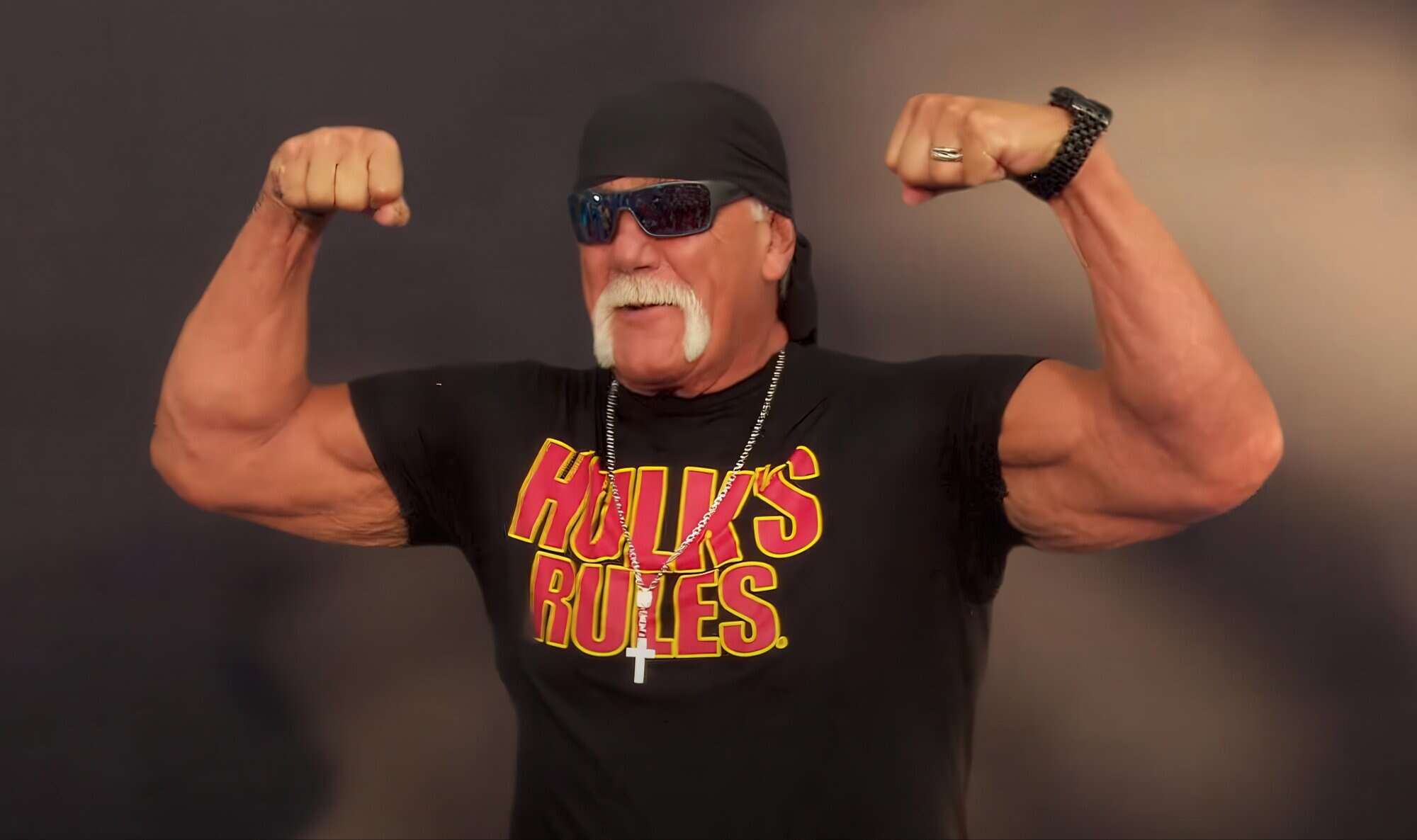
There was a time when Hulk Hogan was wrestling. He wasn't *in* wrestling; he *was* the industry. From the moment he bodyslammed Andre the Giant at WrestleMania III in front of 93,173 fans, he became a cultural icon. Every kid in America, and a good chunk of the world, wanted to say their prayers, take their vitamins, and be a Hulkamaniac.
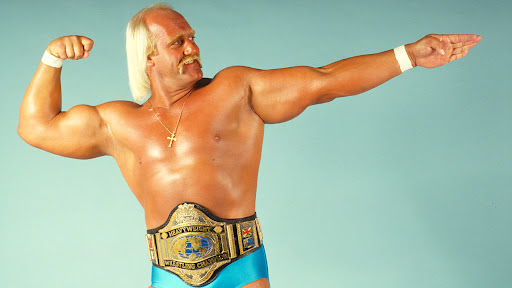
His red and yellow machine rolled through the 80s and early 90s like a runaway train. He headlined countless shows, sold millions of action figures, and launched wrestling into the mainstream. The simple, larger-than-life hero archetype he perfected was, for a long time, bulletproof. It was a simpler time, a more innocent time, where the good guy always won and pulled out that yellow leg drop for the three count.
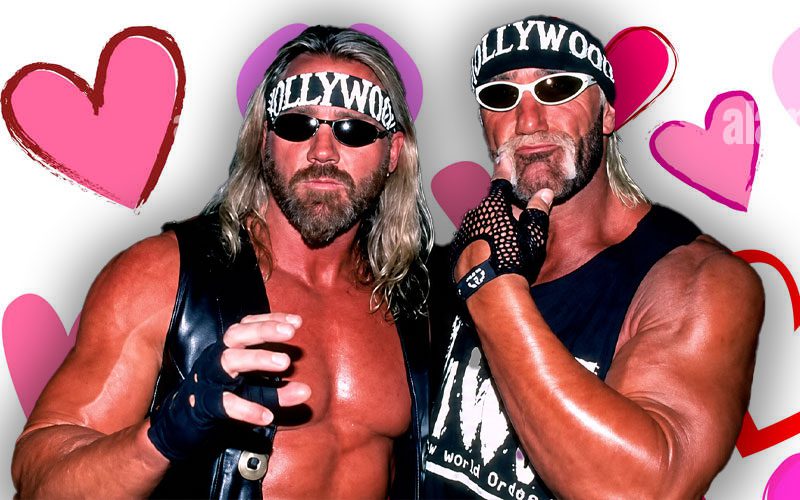
Then came the nWo, a game-changer that redefined cool and flipped the script on what a wrestling persona could be. Hogan, the ultimate babyface, turning heel was the most shocking moment in wrestling since the Montreal Screwjob. He proved he could adapt, could reinvent, and could still command an audience's attention, even as the ultimate villain. He was magnetic, undeniably. But then, as always seems to happen with those who fly too close to the sun, the crash came.
The Bottom of the Ocean: Navigating Hogan's Sinking Ship of Scandals
Let's not dance around it. The reason a Hogan docuseries, even one with 'strong numbers,' feels like a punch to the gut for many is the baggage. And oh, what baggage it is. We're talking about the racial slurs that surfaced from a sex tape, leading to his very public ousting from WWE in 2015. We're talking about the various testimonies from former colleagues and friends painting a picture of a man often more concerned with his own standing than the well-being of others.
These weren't minor infractions; these were career-ending, legacy-shattering revelations. For a man who built his empire on moralistic appeals and being a role model, the hypocrisy was staggering. The question that hangs over any examination of Hogan's life isn't 'Was he a great wrestler?' (he was, for his time), but 'Can we separate the art from the artist when the artist is this deeply flawed, this openly prejudiced?'
The mere existence of a Netflix docuseries, let alone its success, reignites this painful debate. What narrative is being told? Is it a sanitized puff piece, glossing over the ugliness for the sake of nostalgia clicks? Or does it plunge into the murky waters of his personal failings and the consequences of his words and actions? The fact that people are tuning in suggests a deep-seated curiosity about *how* this story, with all its inherent contradictions, is being framed.
Netflix's Game: Chasing Eyeballs, Not Ethics
Make no mistake, Netflix isn't greenlighting a Hulk Hogan docuseries because they've suddenly developed a deep appreciation for the finer points of headlocks and suplexes. They're in the business of engagement. They're chasing eyeballs. They're looking for content that generates buzz, that sparks conversations, and that keeps subscribers glued to their screens.
And controversial figures, especially those with an undeniably massive cultural footprint like Hogan, are catnip for this kind of strategy. Whether you love him or hate him, you *know* him. You have an opinion. And in the attention economy, an opinion, any opinion, is currency. The 'strong first-week numbers' aren't just about fans wanting to relive Hulkamania; they're also about a significant portion of the audience wanting to see how Netflix handles the very real, very ugly side of the man.
It's a calculated risk, a gamble on the audience's morbid curiosity and their willingness to engage with uncomfortable history. Netflix isn't making a moral judgment; they're making a business decision. And if the numbers are truly strong, it suggests their gamble is paying off, at least in terms of initial viewership. It’s a disheartening reality for those who believe in holding problematic figures accountable, but it’s the cold, hard truth of content creation in the streaming age.
The Long Shadow of a Disgraced Legend
So, what does this all mean? For Hogan, it means continued relevance, continued visibility, and perhaps another step in his slow, steady, and often undeserved rehabilitation. For wrestling fans, it forces us to confront the uncomfortable truth that our heroes are often deeply flawed individuals, and that the lines between entertainment and reality can blur into an ugly mess.
The strong performance of this docuseries is a stark reminder that legacy is complex, and public memory is fickle. It suggests that even the most egregious missteps can, with enough time and the right platform, be reframed, re-examined, or simply overshadowed by the sheer magnitude of past accomplishments. It’s a disappointing cycle, really. We see someone fall from grace, we condemn them, and then, inevitably, a decade later, we’re back to debating their ‘greatness’ as if the terrible things they did or said can be neatly compartmentalized.
Wrestling has always had a complicated relationship with its past, especially its less savory characters. The industry, and its fans, too often prove willing to forgive, forget, or simply ignore when there's a buck to be made or a moment of nostalgia to be milked. And in the case of Hulk Hogan, it seems, that well of nostalgia, and curiosity, runs deeper than many of us were willing to admit. Even after everything, the Hulkster, for better or worse, can still draw a crowd. And that, brother, is the real enduring mystery.