
WrestleMania 41’s hotel security was a total mess for the talent
The siege of the Las Vegas Strip
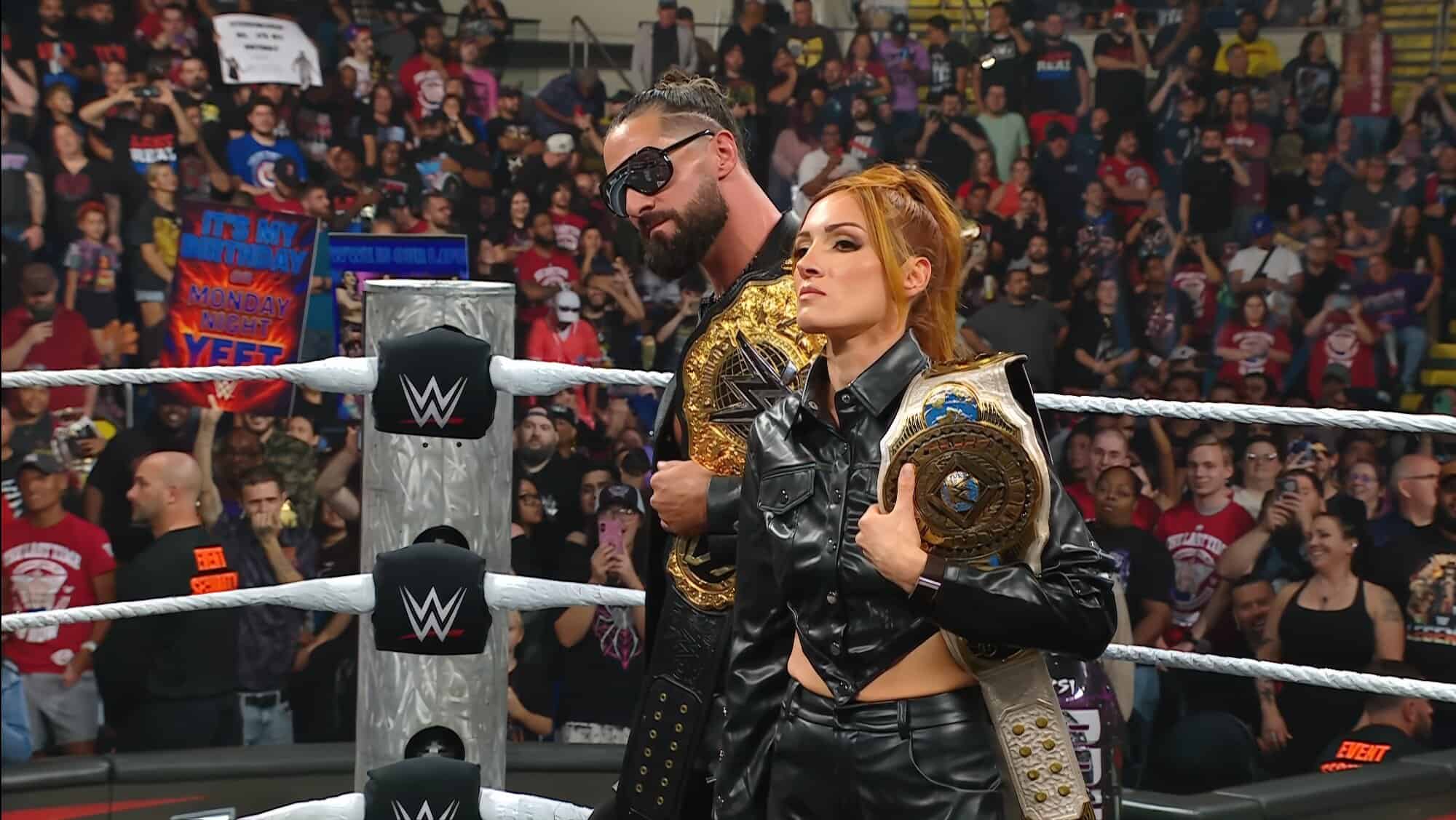
The lights at Allegiant Stadium had barely dimmed on the night of April 20 before the secondary reality of WrestleMania 41 set in. For the fans, it was a weekend of high-stakes drama: Cody Rhodes defending his title and the emotional weight of John Cena’s farewell tour. For the performers, it was a gauntlet that didn't end when the three-count hit the mat. By Wednesday morning, reports began surfacing of aggressive, coordinated fan incidents involving Seth Rollins, Becky Lynch, and Damian Priest at their hotel. This wasn't the standard 'could I get a photo' interaction of a decade ago. It was a tactical failure of security logistics in a city that usually prides itself on high-profile privacy.
Las Vegas is built to handle celebrities, but the scale of WrestleMania 41 seemed to break the standard operating procedures. When you have a talent roster exhausted from 14-hour work cycles and high-impact physical performances, the lobby of a major Strip hotel shouldn't be a combat zone. Rollins and Lynch, a couple who essentially carry the emotional weight of their respective divisions, found themselves swamped by crowds that ignored the basic social contracts of personal space. The reports suggest multiple individuals were camping in non-public areas, waiting to intercept talent at their lowest energy points. It is a fundamental breakdown of the boundary between entertainment and harassment.
Damian Priest, a man whose physical presence usually dictates the room, was also caught in these skirmishes. Witness accounts describe a scene that looked less like a fan meeting and more like a press of paparazzi. There is a technical difference between a fan and a professional autograph seeker, and that line was completely erased this week in Nevada. The lack of private corridors or secured transit from the parking bays to the elevators turned the hotel into a fishbowl. It’s a glaring oversight for a billion-dollar company that just sold out a stadium for two consecutive nights.
The eBay economy and the death of the 'fan' interaction
We have to look at the math to understand why this is happening. A 'match-worn' item from WrestleMania 41, signed by a performer like Seth Rollins, can hit the secondary market within hours for prices exceeding $2,500. This isn't about the joy of meeting a hero; it's about the commodification of access. The people harassing Lynch and Priest at 3:00 AM in a hotel lobby aren't there to talk about the work. They are there to secure inventory. These 'autograph hounds' operate with a level of persistence that borders on stalking, fueled by the rising valuation of authenticated wrestling memorabilia in the post-pandemic market.
The technical sophistication of these resellers has outpaced the security protocols. They track flight numbers, monitor black car service arrivals, and use social media geotags to pin down the exact floor where talent is staying. When Becky Lynch is walking through a lobby after a 20-minute match that likely left her with bruises and a massive adrenaline crash, she isn't a public commodity. She is an employee trying to go to bed. The entitlement of the modern 'collector' is built on a delusion that buying a ticket to a show grants you perpetual access to the performer’s private life. It doesn't. Not at the stadium, and certainly not at the hotel.
If you look at the eBay listings today, April 22, you will see a surge in 'WrestleMania 41 Weekend' signatures. Many of these items feature the rushed, jagged ink of a performer who was trying to walk away while someone shoved a clipboard in their face. It’s a grotesque market. The fact that security allowed these resellers to loiter in the private wings of the hotel suggests that the 'VIP' status of these establishments is mostly theatre. If a professional athlete in the NFL were treated this way in their team hotel, the league would be filing formal complaints with the hospitality group before sunrise.
The physical cost of the Vegas gauntlet
Consider the physical state of Seth Rollins on Sunday night. He is a wrestler who relies on high-velocity transitions and complex aerial counters. His match at WM41 was a masterclass in timing, but it also took a visible toll on his back and knees. To expect a person in that state to then navigate a gauntlet of screaming 'fans' in a lobby is absurd. The adrenaline dump after a WrestleMania match is massive. The body starts to lock up. The mental fatigue is at its peak. This is when the most dangerous interactions occur, as the performer’s patience is at its thinnest and the crowd’s excitement is at its most volatile.
WWE's logistics team failed here. They opted for the prestige of the high-profile Strip hotels rather than the security of a sequestered location. While the proximity to Allegiant Stadium made sense for the production crew, it was a disaster for the talent. The 'Vegas energy' that the company wanted to capture for the broadcast translated into a chaotic environment for the humans behind the characters. There is a reason why high-stakes poker tournaments often move their final tables to private studios: you cannot control the variables of a public casino floor. WWE tried to have it both ways, and their top stars paid the price in harassment.
We saw hints of this friction earlier this year. During the incidents reported by WrestlingNews.co, it became clear that the 'hotel lobby' has become the new frontline for these resellers. It’s a low-risk, high-reward environment for them. Hotel security is often instructed to avoid 'scenes,' which means they are hesitant to physically remove people who appear to be 'paying guests,' even if those guests are clearly there for the sole purpose of harassing the celebrities in the building.
A critical failure of professional boundaries
The argument that 'this is what they signed up for' is the laziest defense in sports media. No one signs up to be followed to their room by a man holding five replica belts and a Sharpie. The reality is that WWE has fostered an environment of 'super-accessibility' that is finally backfiring. From the WWE World fan experience to the constant social media engagement, the company has sold the idea that the wrestlers are your friends. They aren't. They are professionals providing a service, and once they leave the clock, they should be invisible to the public if they choose to be.
There is a darker side to this as well. The aggression directed at Becky Lynch is often tinged with a specific brand of misogyny that Rollins doesn't have to face. Female performers are frequently subjected to 'fans' who feel entitled to physical proximity or touch. The reports from the hotel indicate that the crowd around Lynch was particularly dense and difficult to manage. This isn't just a security issue; it's a safety issue. If a single person in that lobby had hostile intent rather than just a desire for an autograph, the outcome could have been tragic. The 'barrier of entry' at these hotels is currently non-existent.
Looking ahead to the next major events, like WWE Backlash on May 9, the company needs to rethink its housing strategy. The 'WrestleMania Hotel' is a tradition that might need to die for the sake of the talent's sanity. Using smaller, boutique hotels with no public lobby access would solve 90% of these problems. It would be more expensive and less convenient for the corporate staff, but it would ensure that Damian Priest doesn't have to defend his personal space at four in the morning. The current model is unsustainable and frankly dangerous.
The death of the 'cool' fan era
What’s most disappointing is how this ruins things for the genuine fans. The seven-year-old who just wants to wave at their hero from across the lobby is now going to be met with a wall of security and a 'no photos' policy because a group of 35-year-old men decided to turn the hotel into a warehouse. We are entering an era of deep isolation for wrestling stars. They will stop staying in the host cities. They will fly in on private charters and stay in undisclosed locations miles away from the venue. The 'WrestleMania experience' for the fans is being degraded by the greed of a few resellers.
The technical analyst in me sees the pattern: as the value of the 'moment' increases, the quality of the 'interaction' decreases. We are optimizing for the wrong things. We are optimizing for the number of items signed rather than the safety of the humans involved. If WWE doesn't crack down on this with a lifetime ban for anyone caught harassing talent at their hotels, the culture will only get more aggressive. The Vegas incidents were a warning shot. Next time, it might not just be a 'fan incident'—it might be a lawsuit or an injury that changes the course of a career.
We need to stop pretending this is normal. It isn't normal to camp in a hotel lobby for six hours to wait for a person to come back from work. It isn't normal to shout at a woman because she won't sign your piece of cardboard when she's trying to find her room key. The 'fan' culture in wrestling has a toxicity problem that is being ignored because it generates 'engagement.' It’s time to build some walls. Professionalism requires distance, and right now, the distance between the ring and the room is dangerously small.
Young Bucks: Killing the Business from Backyards to the Big Leagues
The definitive story of how two brothers helped launch AEW and changed the indus
Frequently Asked Questions
Which WWE wrestlers were harassed by fans at the WrestleMania 41 hotel?
Why was hotel security considered a failure after WrestleMania 41?
How are professional autograph seekers tracking WWE talent in Las Vegas?
What is the secondary market value for signed WrestleMania 41 memorabilia?
What matches and events took place during WrestleMania 41 in Las Vegas?
More Coverage
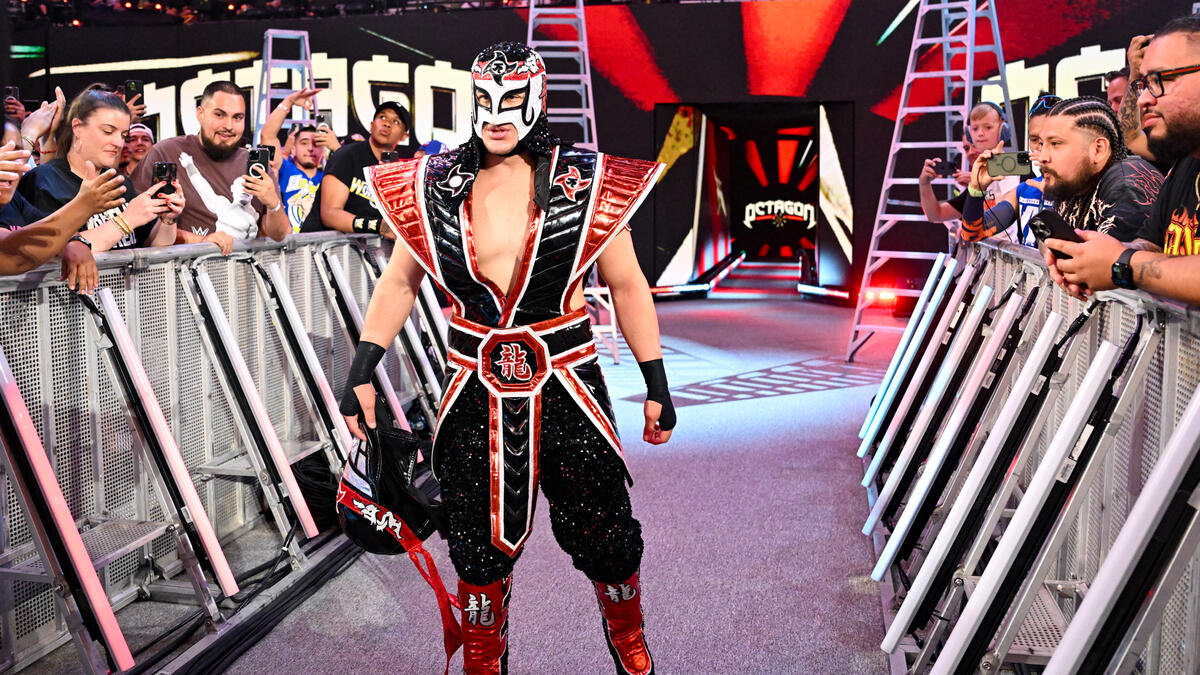
WWE’s looming AAA crossover sparks wild speculation
11 minutes ago
Jasper Troy brings the Speed title pedigree to Evolve
11 minutes ago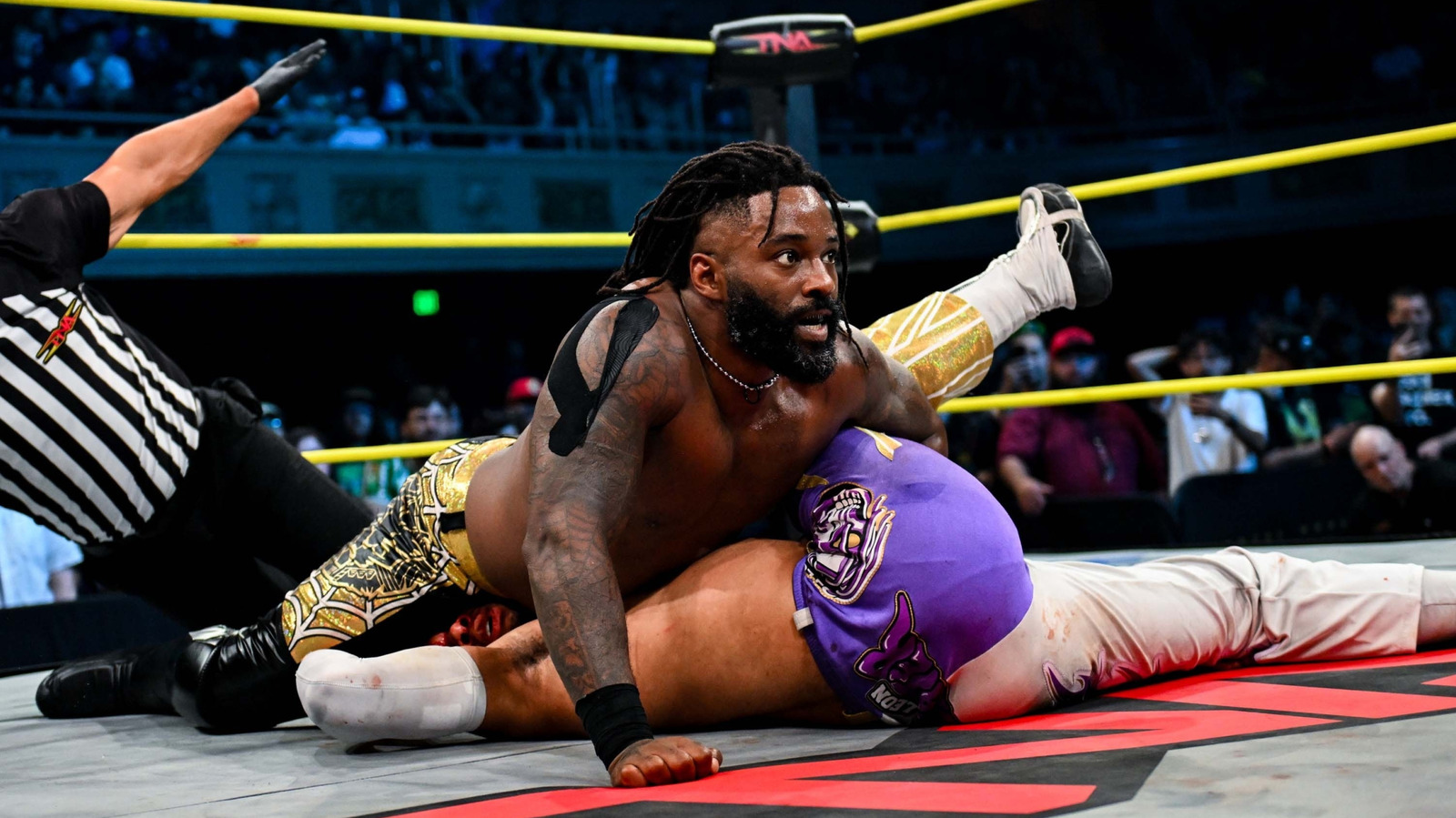
Cedric Alexander is chasing a match that needs to happen
14 minutes ago
Saraya leaves the AEW chapter in the rearview mirror
38 minutes ago
Baron Corbin's MLW pivot marks a strange turn in his career
39 minutes ago
Nick Aldis stepping into the ring at SummerSlam is a booking disaster
40 minutes agoMore Analysis
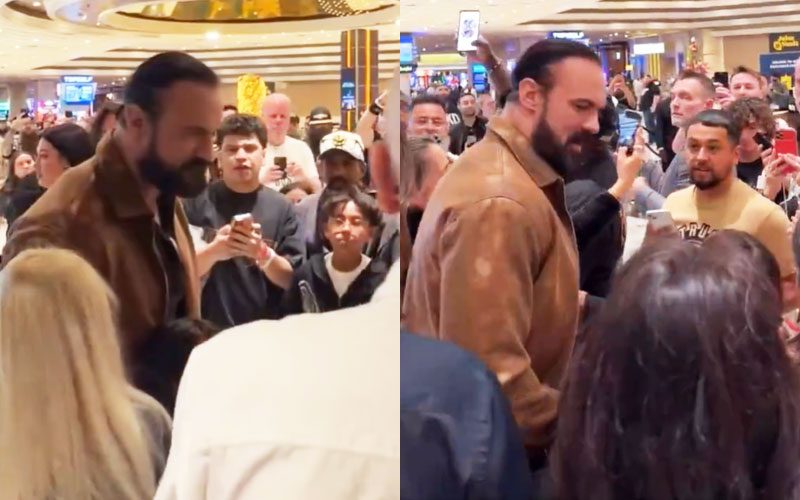
WrestleMania weekend turns into a Las Vegas hotel disaster
2 months, 4 weeks ago
WrestleMania 41 attendance records are masking a dangerous security deficit
2 months, 3 weeks ago
CM Punk is smacking phones and AJ Styles is getting swarmed in Las Vegas
2 months, 3 weeks ago
WrestleMania 41 fans are reaching a new level of creepy
2 months, 4 weeks ago
WWE has a real fan-boundary crisis on their hands
3 months, 2 weeks ago