The myth of the Real American
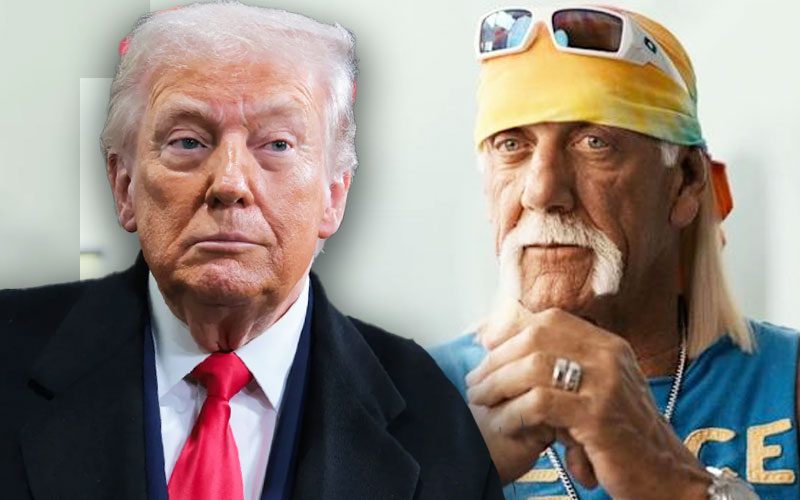
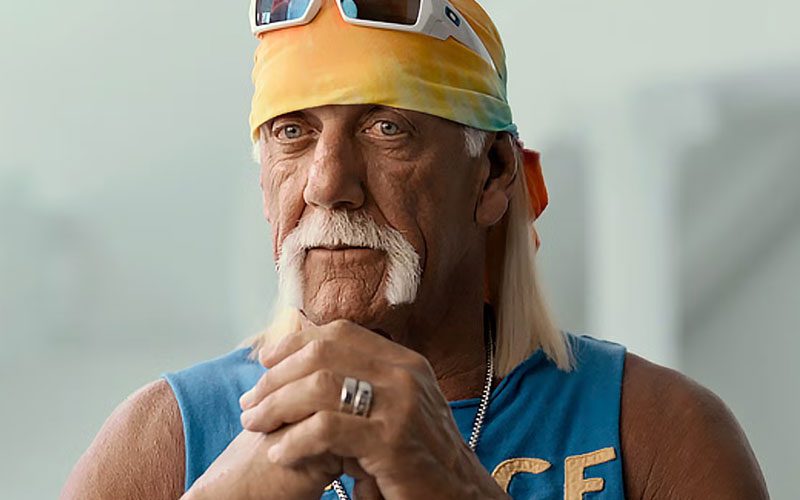
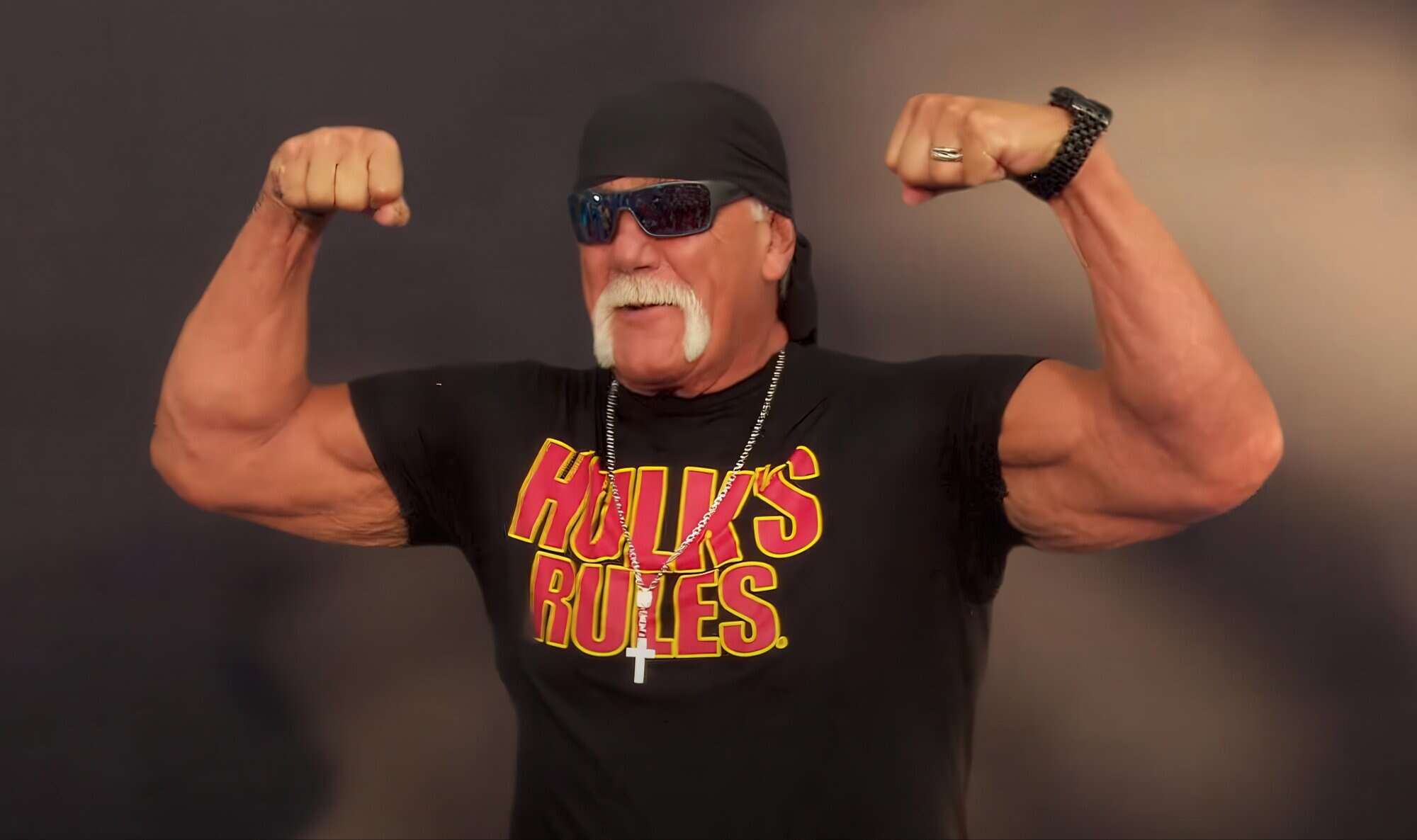
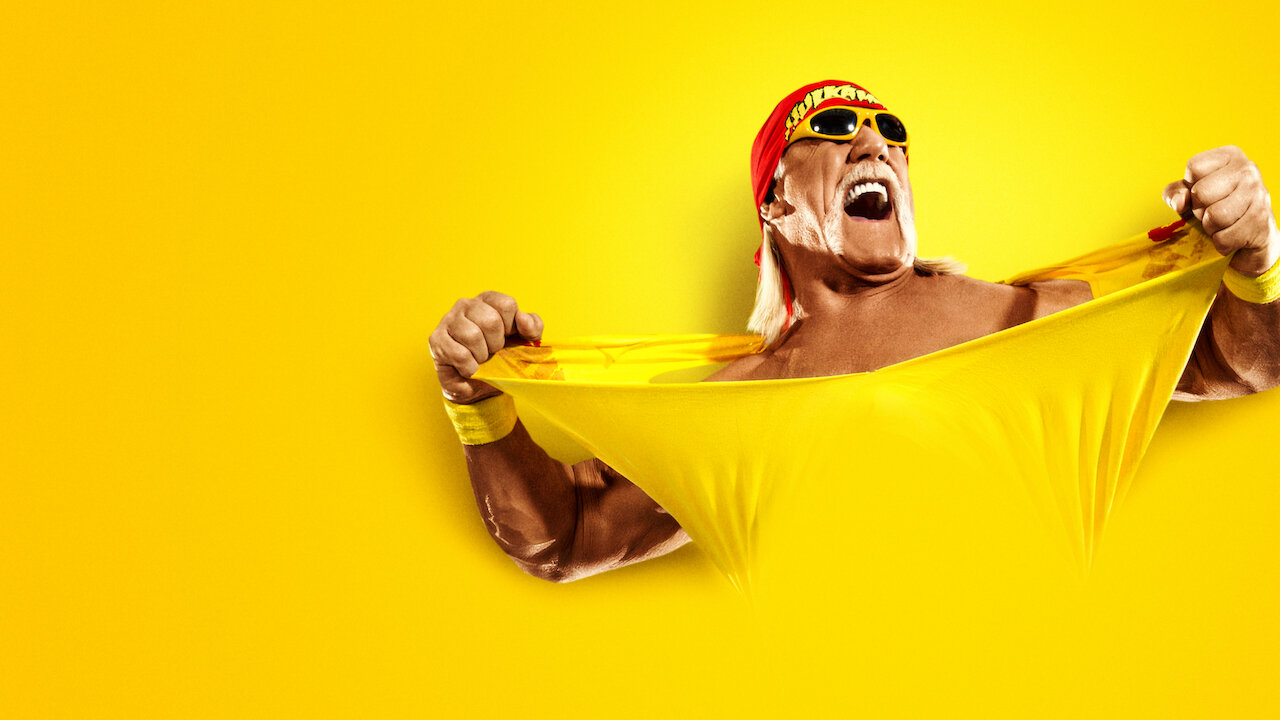
Tomorrow, Netflix premieres 'Hulk Hogan: Real American,' a deep dive into the life of Terry Bollea. Expectations are high, but the narrative reality is inherently fractured. We are looking at a figure whose career archives are as much about backstage politicking as they are about leg drops.
History tells us this docuseries will attempt to sanitize the 1980s wrestling boom. However, the production faces an uphill climb in balancing the icon against the individual. Documentaries often struggle to reconcile the character with the harsh assessments from peers like Bret Hart, who openly documented decades of resentment surrounding Hogan's professional conduct.
The intersection of pain and public image
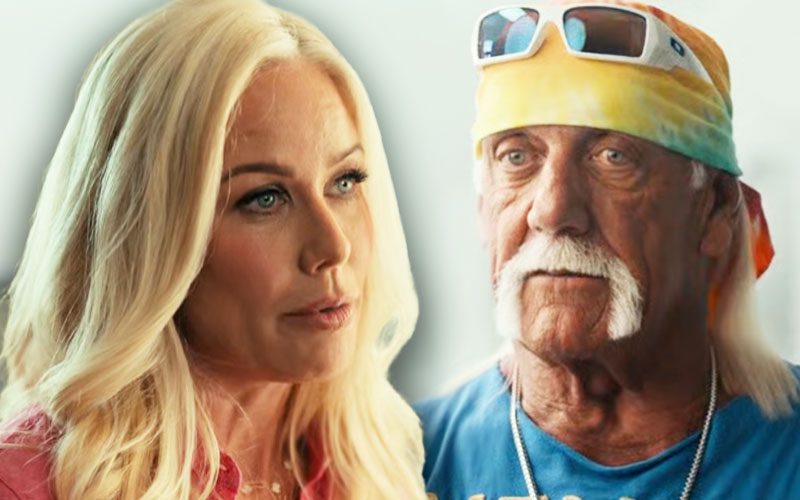
The marketing push for this series leans heavily into the personal darkness Hogan navigated during his divorce from Linda Hogan. Ringside News has extensively detailed how close he came to ending his life during those difficult years. These moments are where the documentary will likely feel most authentic.
Contrast that vulnerability with the later years of his career. Hogan has previously admitted to enduring the physical toll of the industry by consuming extreme amounts of fentanyl during his TNA tenure. That period stands as a stark contradiction to the 'say your prayers and eat your vitamins' mantra he peddled to millions of children for a generation.
Predicting the impact on the industry
I expect this docuseries to generate record-breaking viewership numbers for streaming platforms on its opening weekend. It will dominate social media discourse for at least 72 hours. Yet, the substance will remain hollow for anyone who understands the business.
My prediction: The series will effectively frame Hogan as a tragic, misunderstood historical relic. It will bypass the genuine scrutiny needed regarding his creative influence on the talent appearing in the project. Don't look for a balanced examination of his career impact; look for a curated, protective narrative designed for mass consumption.
Ultimately, the docuseries will be a commercial hit that leaves the die-hard base frustrated. We deserve a critical analysis of the transition from wrestler to pop culture villain, but we are likely getting a polished portrait. The legacy remains exactly as polarized as it was before the cameras started rolling.