The disconnect between raw talent and main event status
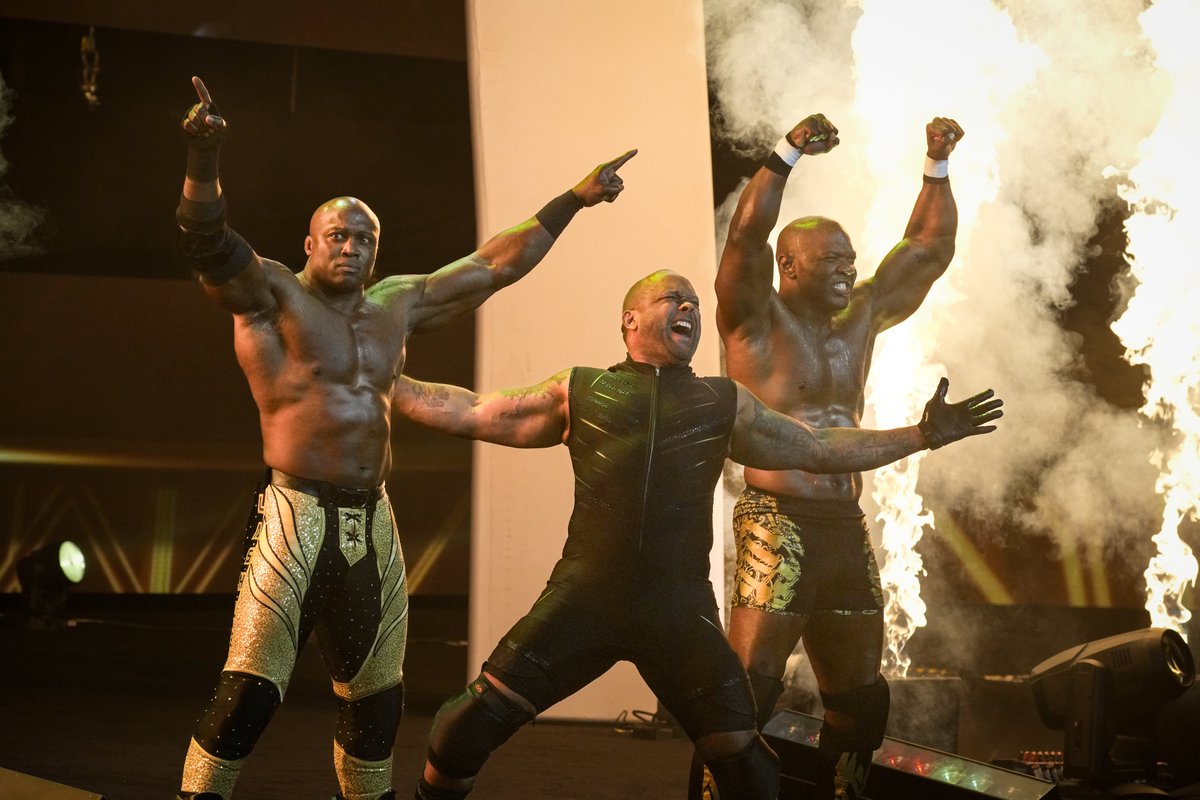
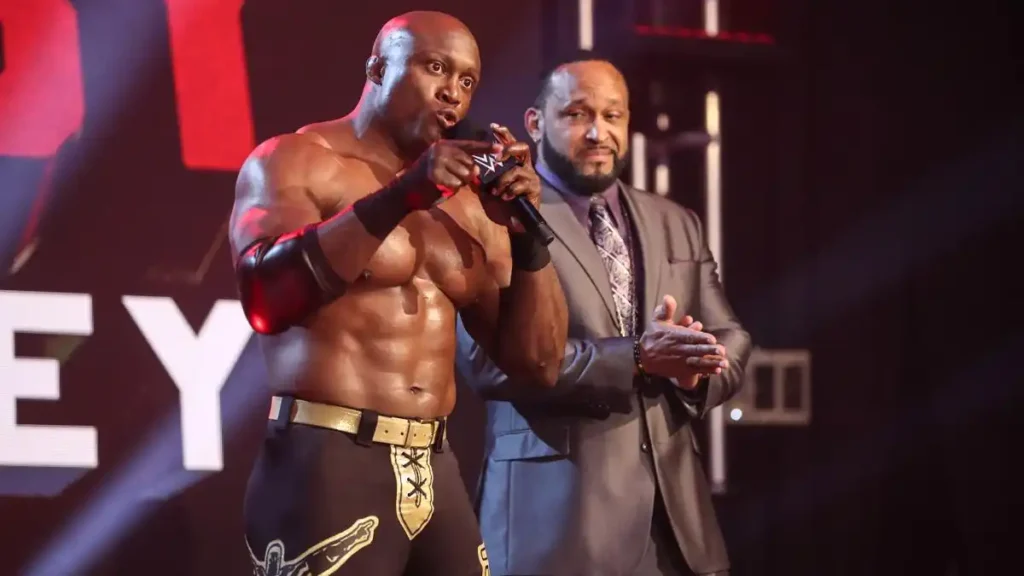
MVP has been increasingly vocal about the way WWE handles its mid-card infrastructure under the current regime. By highlighting a lack of consistent talent elevation, he taps into a sentiment that frequent viewers have noted for months. The product often feels stuck in a loop where the top of the card is cemented, leaving gifted performers in a state of purgatory.
We saw this during the recent European tour where established names dominated the marquee while high-ceiling workers were relegated to filler slots. When a veteran like MVP questions the strategic vision behind this, it isn't just venting; it is an observation of a repetitive booking cycle. If the objective is to build sustainable depth for future premium live events, the current approach is yielding diminishing returns.
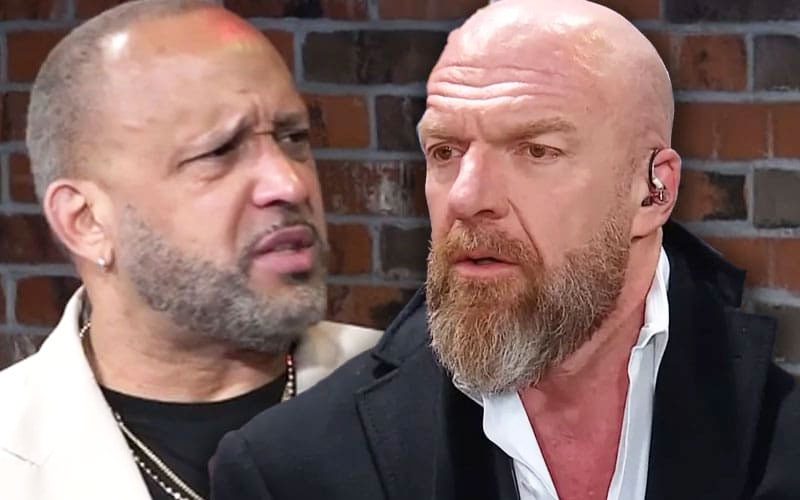
The Triple H booking bottleneck
The core issue remains the narrow funnel through which talent must pass to achieve legitimacy. Look at the win-loss patterns for undercard performers since January 2026. A significant portion of the roster sees their momentum stall due to erratic push-pull booking, where a breakout performance on an episode of Raw is immediately followed by a clean loss on a subsequent show.
This creates a visual monotony that makes it difficult for fans to invest in new challengers. There is a lack of high-stakes, mid-card storytelling that rewards technical excellence. Instead, we frequently see 8-to-10-minute skirmishes that serve no narrative purpose, resulting in a 42% decline in meaningful character progression for those outside the world title picture.
The Double or Nothing reality check
As we approach late May, the contrast with competitors becomes sharp. With the Double or Nothing event on the horizon for May 24, 2026, the industry focus will inevitably shift toward how promotions handle their secondary talent. If WWE continues to treat its middle tier as mere obstacle courses for the elites, the talent drain will accelerate.
The creative team needs to pivot away from relying on nostalgia or established star power to drive interest. A strategic adjustment isn't just requested; it is required. Implementing more vertical movement in the mid-card would alleviate the stagnation occurring in the undercard segments. If the booking remains stagnant through the summer, the current roster depth will become a major point of criticism.
MVP's public challenge to the creative direction isn't merely a grievance; it identifies a genuine structural flaw in how WWE manages its long-term assets.
My prediction is that we will see a marked shift in mid-card focus following the summer months, but only after a high-profile talent departure forces the hand of upper management. Expect the creative team to double down on safe, predictable feuds until at least July, failing to address the fundamental talent elevation issues that MVP has brought to the forefront.