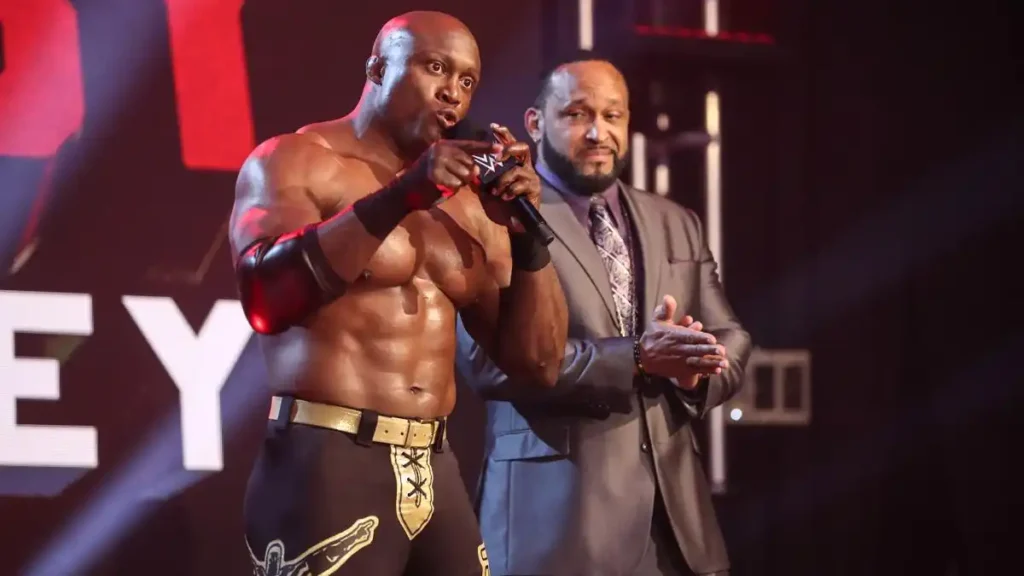
The fracture between talent and management
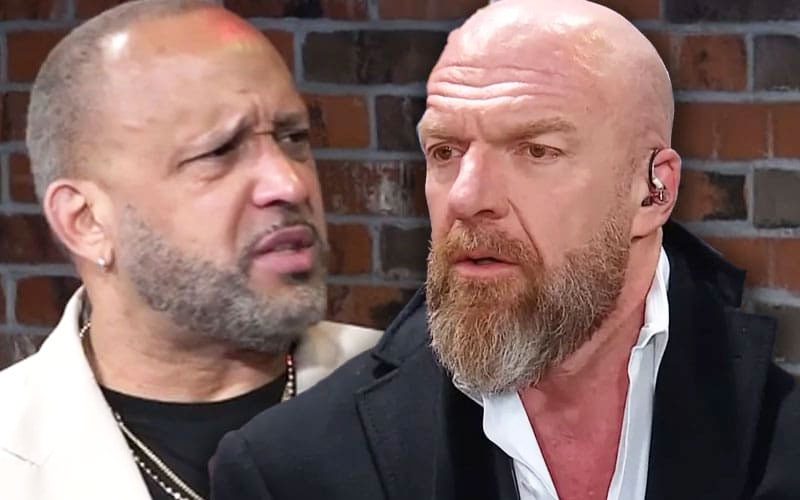
Professional wrestling is built on personal grievances, but the current war of words between MVP and Paul Levesque feels different. The former United States Champion has not been subtle, labeling Levesque a coward and a liar following his departure from the promotion. These comments, reported by BodySlam.net, highlight a breakdown in communication that veteran performers simply do not tolerate.
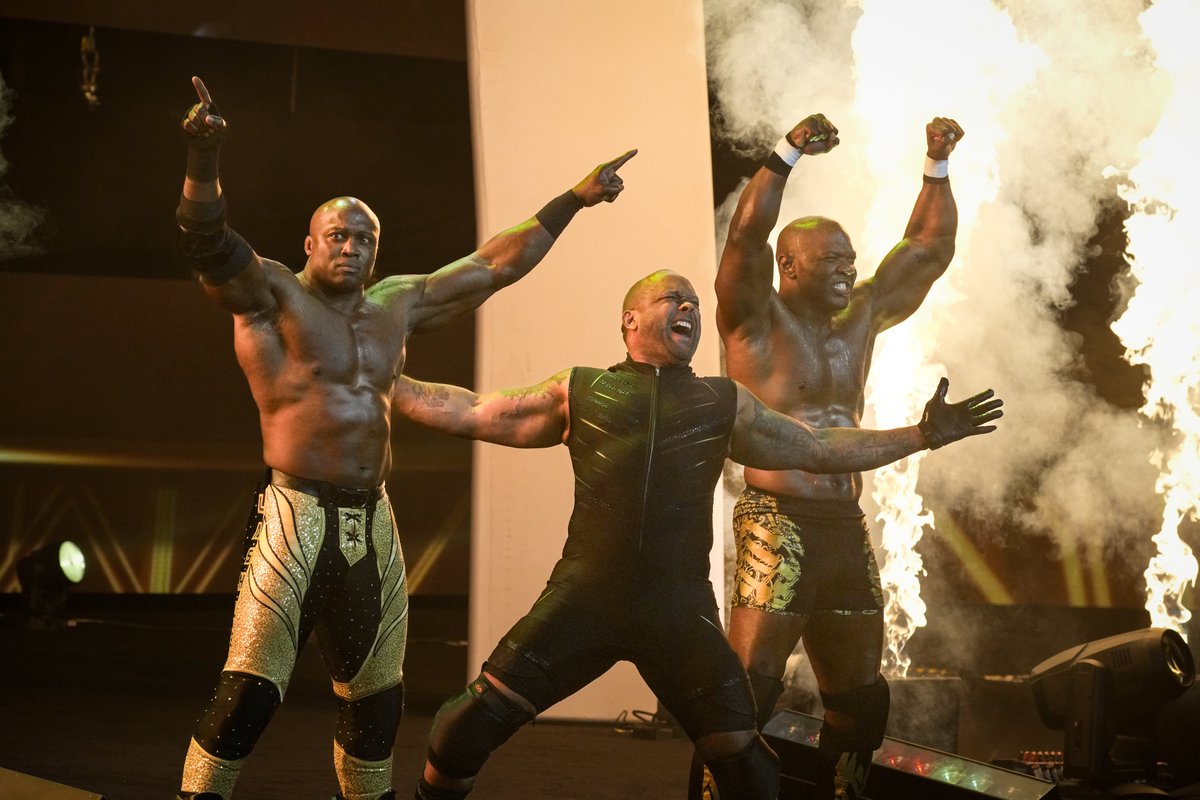
MVP claims that repeated attempts to get face-to-face time with Levesque regarding his and Bobby Lashley’s creative direction were met with silence. For a performer of that caliber, being ignored is a more damning insult than a cold rejection. It suggests a lack of professional respect that mirrors the structural instability often seen in major organizations.
The credibility of the commentary
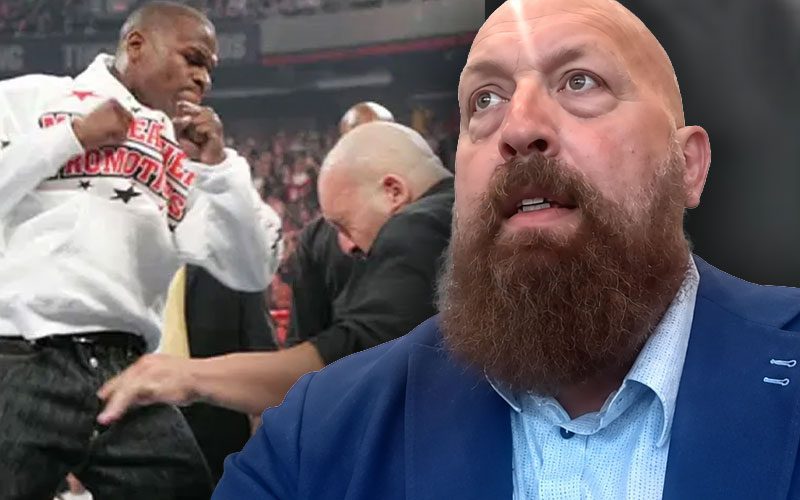
In a twist that nobody asked for, Vince Russo has decided to defend Levesque in this public spat. Despite being a frequent critic of WWE creative choices, Russo is pushing back against the specific accusations leveled by MVP regarding his exit. Ringside News has chronicled this odd alliance where Russo is actually siding with the corporate machine he usually targets.
This suggests that backstage politics in the current era are becoming increasingly personalized and harder to navigate. When even the most contrarian voices in the industry are divided on whether a talent handling issues publicly is justified, the atmosphere becomes toxic for the remaining roster.
Looking back at the mask
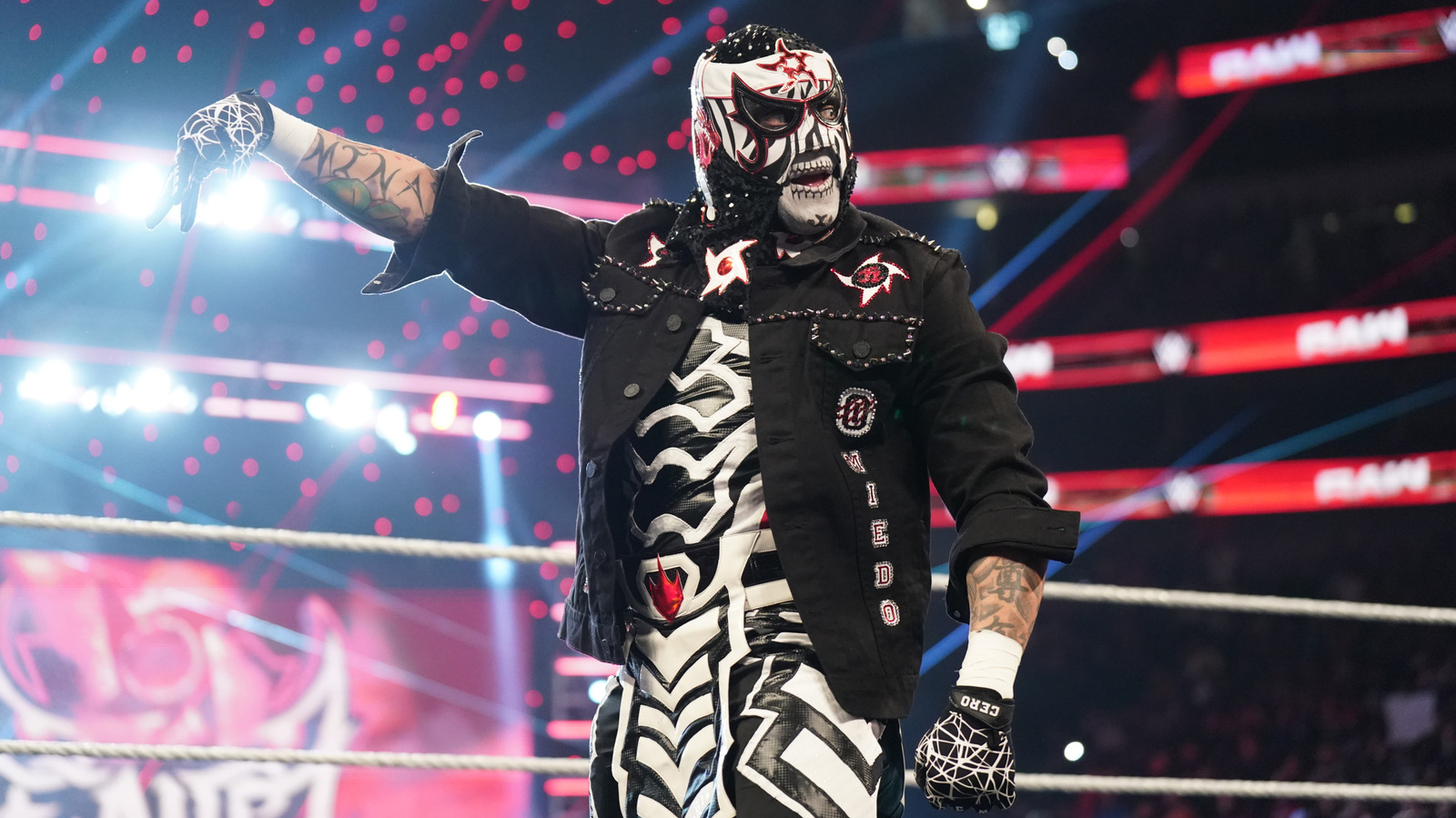
MVP’s tenure is not just defined by these recent headlines. He has been reflecting on his earliest days, specifically the bizarre bodysuit he wore upon his debut at a major pay-per-view. It sounds like a joke now, but he genuinely suspected it was a rib at his expense before his career took off.
It is worth noting that while he found success, his later years were far from smooth. The transition from an active in-ring competitor to a manager often leads to creative stagnation, a fate that seemingly awaited both him and Lashley. If they were indeed being ignored by leadership as the 2026 calendar approached, their exit was a foregone conclusion.
The cost of the status quo
There is a dangerous arrogance in ignoring talent requests for clarity, especially from someone as established as MVP. If communication lines are failing with long-time veterans, the morale of younger prospects must be eroding quietly behind the scenes. Vince Russo's inflammatory rhetoric regarding Levesque’s management style might be hyperbole, but it touches on a raw nerve for fans who feel modern booking lacks coherent direction.
The company enters this busy summer stretch—with major international events on the horizon—while bleeding credible stars. Losing MVP is not merely about losing an on-air personality. It signals a failure to integrate seasoned professionals into the current product. The management team has to resolve these internal blind spots before the locker room becomes entirely unmanageable.
Prediction: Expect the noise to get louder before it fades. MVP will thrive in the AEW environment, likely finding the creative outlet he felt was denied to him. Meanwhile, WWE will double down on its current direction, but ignoring these signals will cost them in the long run. My call? The lack of player-manager cohesion will lead to at least two more high-profile exits by the time the World Cup kicks off on June 11.