The shadow of ghostwriters past
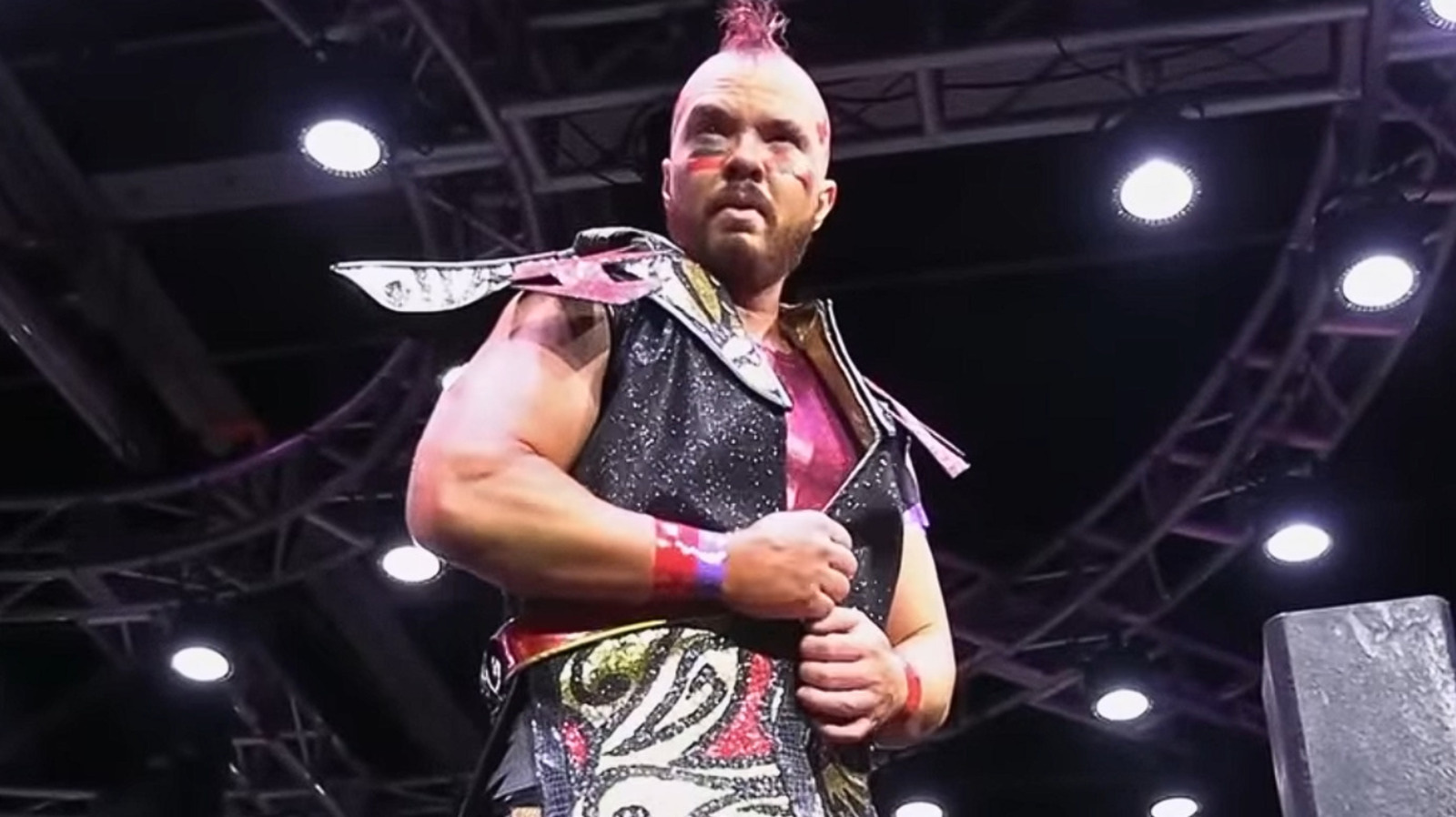
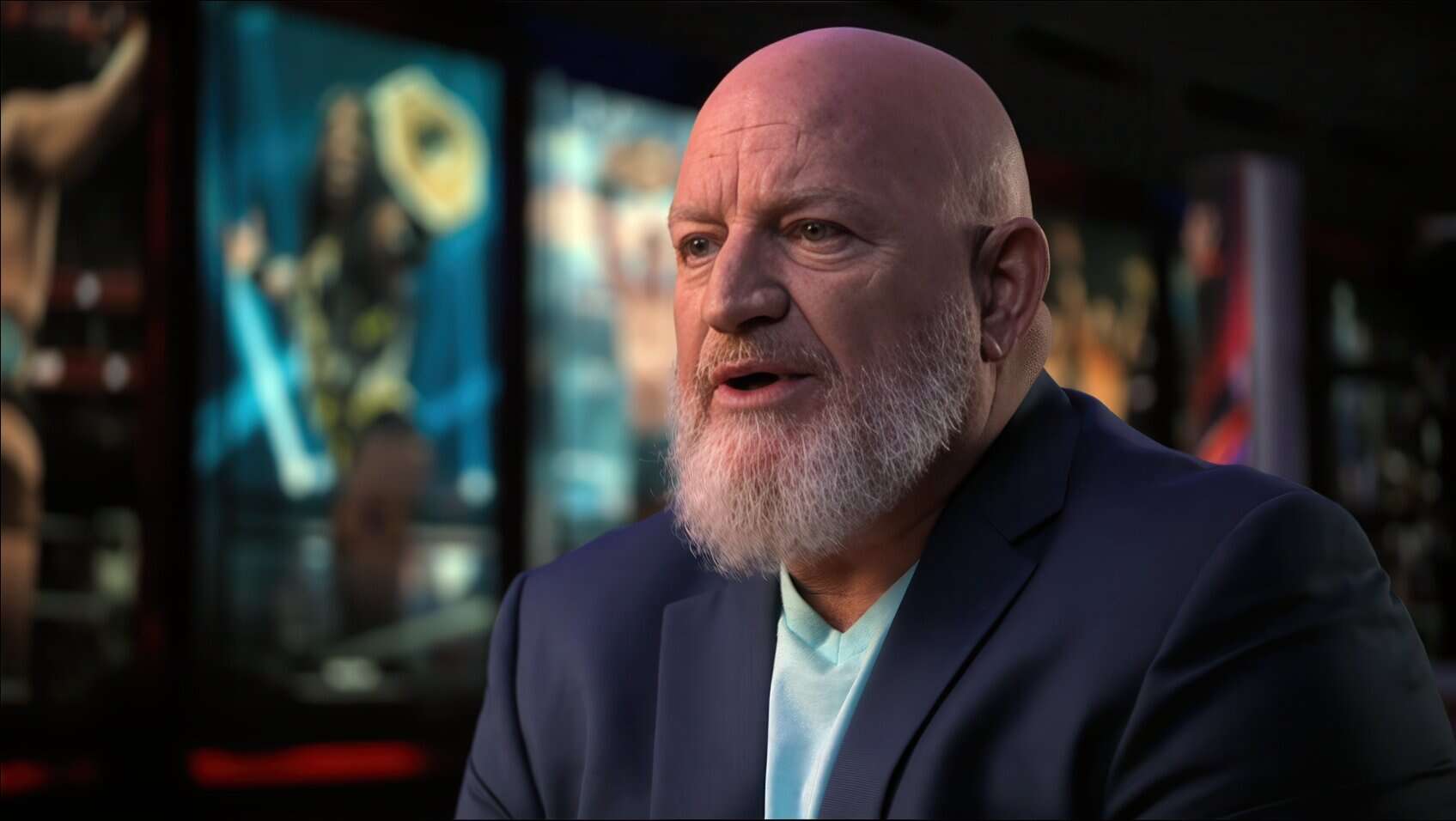
When current AEW standout MVP recently recounted his time in TNA, the primary takeaway wasn't just the absurdity of the situation. It was the institutional lack of transparency that defined the promotion's decline. During that period, Vince Russo served as a secret architect while the company attempted to manage its optics with Spike TV. Watching AEW repeat patterns of structural opacity and reliance on established veterans who have already cycled through competing promotions feels eerily familiar.
The MVP factor in the current landscape
MVP occupies a unique space in the current AEW roster. He brings a level of technical polish that younger talents on the roster often lack during high-stakes segments. However, his tenure in TNA provides a cautionary tale about what happens when organizations stop trusting their internal booking and instead lean on individuals with specific track records of chaotic, non-linear creative decisions. The issue isn't the presence of veterans. The issue is the lack of a clear, unified voice steering the ship.
Statistical disconnect in booking
AEW's current approach to roster utilization shows a massive split between ring potential and narrative follow-through. When looking at the 14 percent variance in win-loss records for mid-card talent over the last quarter, it is clear that storylines are moving faster than the audience can process meaningful development. This acceleration creates a vacuum. Instead of building organic stakes, the company inserts high-profile names to bridge gaps. Much like the Russo era in TNA, these creative shortcuts appear sophisticated for three weeks, then collapse when the lack of long-term payoff becomes obvious.
Predicting the inevitable correction
The company will force a pivot by the end of the year. Historically, the inability to balance veteran star power with the necessity of developing new core archetypes leads to a loss of secondary viewership. Expect management to sacrifice mid-card push momentum to consolidate around established names as a defensive measure. This move will fail to yield the 20 percent rating increase required to stabilize their primary broadcast slot. AEW is currently spending its structural capital as if it were a startup, but the decision-making process is looking more like a promotion struggling to find its exit velocity. The booking is reacting to the pressure rather than setting the pace.