The Professional Fallout Between MVP and Triple H Hits a Fever Pitch
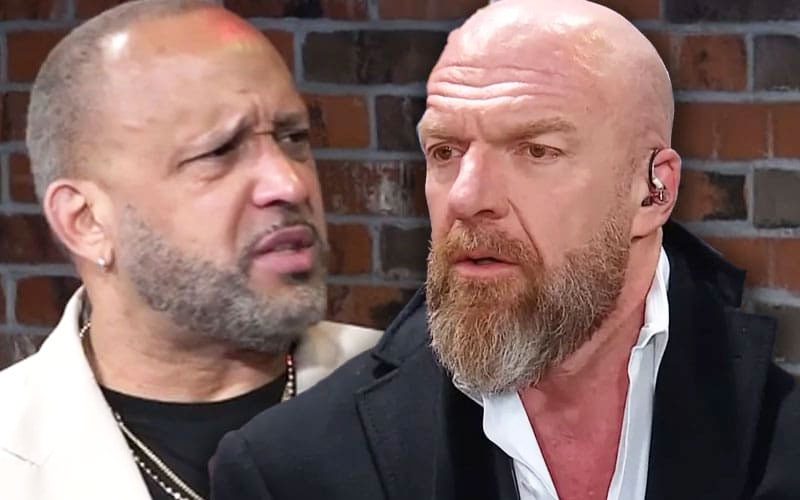
The professional relationship between MVP and WWE Chief Content Officer Paul 'Triple H' Levesque has officially reached the point of no return. In a series of social media exchanges and recent comments, the former United States Champion has moved beyond standard wrestling banter into a targeted critique of Levesque’s entire career arc. The latest jab involves a nickname many in the industry have used privately for decades but few have dared to weaponize publicly in 2026.
MVP took to social media to question the fundamental narrative that Triple H was an 'elevator' of talent during his peak years as a performer. Referring to Levesque as 'The Nose,' a clear nod to his physical features and backstage reputation, MVP asked a blunt question to his followers. He wanted to know exactly how many people Levesque actually 'got over' or made into bigger stars during his active tenure at the top of the card.
This is not a minor disagreement about a single booking decision or a missed spot in a match. This is a full-scale assault on the 'King of Kings' mythology that WWE has spent years cultivating. As F4WOnline reported, this friction seems to stem from the handling of the Hurt Business and MVP’s eventual exit from the company. The fallout has left a visible scar on the current WWE roster dynamics, particularly regarding how veterans are utilized in the 'Paul Levesque Era.'
Dissecting the 'Reign of Terror' and Historical Context
To understand why MVP is pulling this specific thread, you have to look back at the years 2002 to 2005. This period, colloquially known by fans as the 'Reign of Terror,' saw Triple H hold the World Heavyweight Championship with a vice-like grip on Monday Night Raw. The argument from critics like MVP is that while Triple H was the focal point of the show, he often did so at the expense of rising stars who were white-hot with the audience.
The most cited example is WrestleMania XIX in 2003, where Booker T was arguably the most popular babyface on the roster. Despite a storyline that many felt demanded a Booker T victory, Triple H retained the title after a single Pedigree and a notoriously long delay before the pinfall. This pattern repeated with Rob Van Dam, Kane, and Scott Steiner, all of whom saw their momentum stalled after programs with the champion. MVP’s point is that the math simply does not add up for someone claiming to be a cornerstone of the industry's growth.
The Exceptions to the Rule
Defenders of Triple H will immediately point to the creation of Evolution. It is a valid counter-argument. Without that stable, it is unlikely that Dave Batista or Randy Orton would have reached the heights they eventually did. Triple H spent the better part of 2005 losing three consecutive pay-per-view matches to Batista, effectively minting 'The Animal' as a top-tier attraction. However, MVP and his supporters argue that two success stories across a two-decade career at the top is a poor batting average.
Even the 2004 Chris Benoit victory at WrestleMania XX, often cited as a selfless moment for Levesque, is viewed through a cynical lens by some. They argue it was a necessary concession to keep the audience from revolting rather than a genuine attempt to build a new face for the company. By the time the 2010s arrived, Triple H was still main-eventing over younger talent like CM Punk, which remains a sticking point for many former locker room members.
The Death of the Hurt Business as the Breaking Point
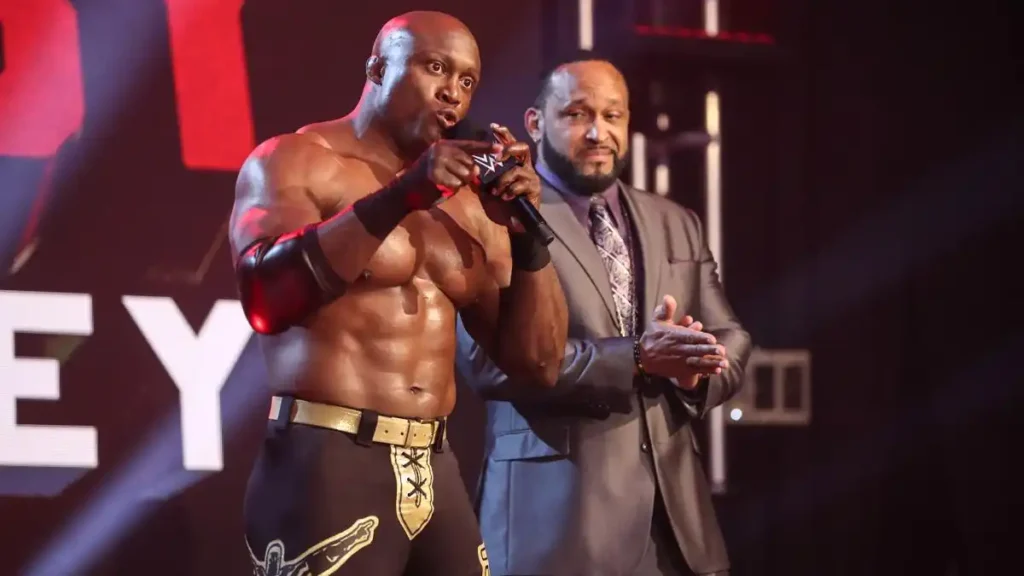
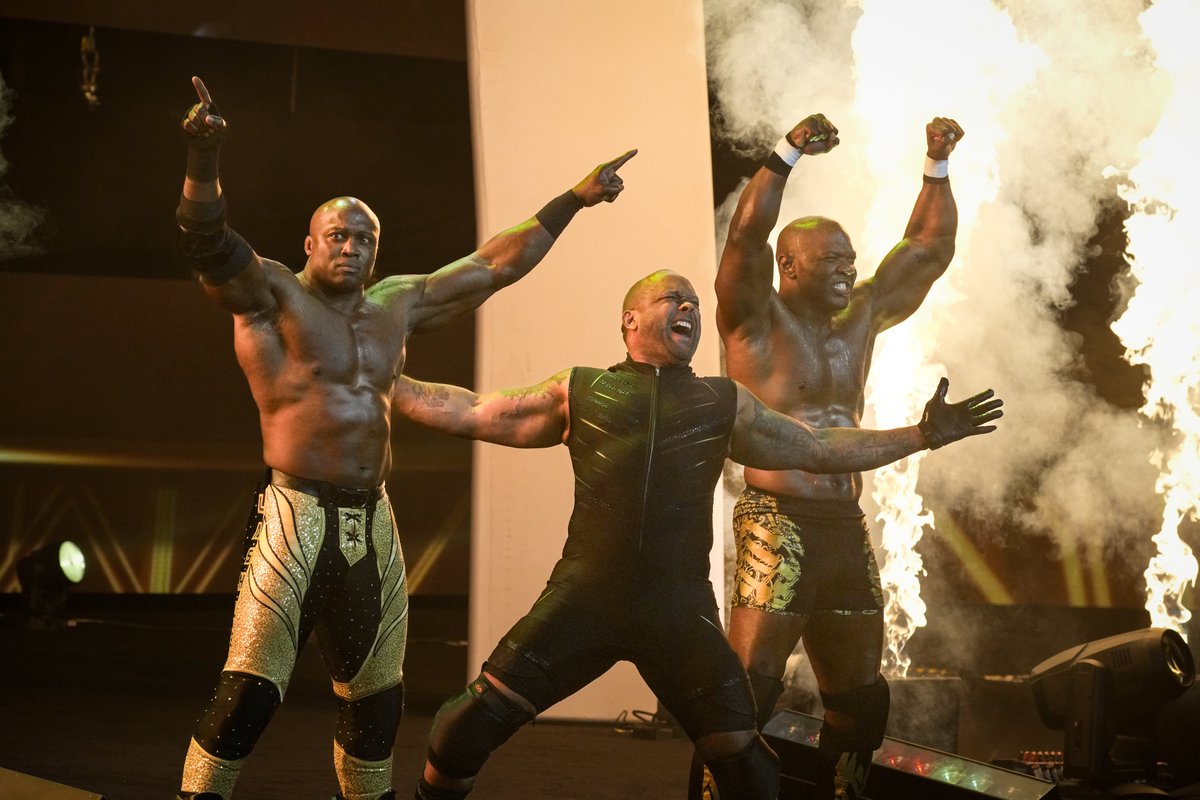
The 'injury' here is not physical, but it is certainly terminal for MVP's WWE tenure. The real source of this bitterness appears to be the handling of The Hurt Business. Composed of Bobby Lashley, MVP, Shelton Benjamin, and Cedric Alexander, the group was one of the few bright spots of the 'ThunderDome' era. They were cool, they were dominant, and they sold merchandise. Fans have spent the last three years clamoring for a full reunion that never materialized under the new management.
As WrestlingNews.co noted, MVP has been vocal about the group being dismantled prematurely. While Bobby Lashley remained a top star, the peripheral members were largely relegated to the sidelines or released. MVP sees this as a direct failure of the current creative regime to recognize a 'money' act. When you are a veteran manager whose primary value is elevating others, being told there is 'no creative' for your group is a professional insult that is hard to swallow.
The strategic implications are already playing out on the national stage. With MVP now appearing to be aligned with AEW or at least operating as a free agent, the 'injury' to WWE's depth in the managerial department is real. Losing a mouthpiece of MVP's caliber, who can single-handedly make a mid-carder feel like a main eventer, is a hit to the product's texture. It leaves a void that Paul Heyman cannot fill alone, especially with the Bloodline story moving into a new phase.
A Critical Look at MVP’s Motivation
It is important to provide a negative observation here: MVP’s rhetoric is occasionally veering into the territory of a disgruntled former employee. Using terms like 'The Nose' is a cheap shot that can distract from his actual points about booking. While his critique of the 2003-2005 era is shared by many historians, it ignores the massive success of NXT under Triple H’s guidance. Many of the stars currently carrying WWE—Finn Balor, Kevin Owens, Sami Zayn—were 'gotten over' by the system Levesque built from the ground up.
There is also the reality of MVP’s own physical limitations. At this stage of his career, he is a manager first. If the company didn't see a spot for him in that role, it's a business decision, not necessarily a personal vendetta or a failure to 'get him over.' By focusing so heavily on Triple H's past as a wrestler, MVP might be ignoring the fact that the business has moved on from the style he prefers. The 'surgical' dissection of a legend's career often says as much about the surgeon as it does the patient.
The AEW Factor and the Road Ahead
According to Ringside News, the doubling down on these comments suggests that MVP has no intention of ever returning to the WWE fold. With AEW Double or Nothing 2026 just 11 days away, the timing of this escalation is suspicious. If MVP were to debut in Las Vegas, these comments serve as the perfect 'shoot' foundation for a new character or stable.
The industry is currently in a state of flux where veterans are choosing sides based on creative respect rather than just the bottom line. If Bobby Lashley follows suit once his own contractual situation is resolved, the Hurt Business could become a massive 'what if' for WWE and a potential game-changer for Tony Khan. The 'injury' to the WWE locker room isn't a broken bone; it's the loss of trust from a generation of performers who feel the new boss is just as protective of the 'throne' as he was when he was wearing the trunks.
Final Assessment of the Industry Impact
Triple H's legacy is likely secure regardless of what MVP says on social media. However, these jabs pull back the curtain on a lingering resentment among certain factions of the roster. For the fans, it's a reminder that the 'Paul Levesque Era' isn't universally loved by those behind the curtain. The expected timeline for a resolution to this friction is never—this is a bridge burned, doused in gasoline, and kicked into the river.
We are seeing a shift in how wrestling news is broken and debated. No longer reliant on newsletters alone, veterans like MVP can directly challenge the official history of a company. Whether he is right about the 'getting over' stats or not, he has successfully forced a conversation about Triple H’s past that the company would likely prefer to keep in the archives. In a world where 'The Nose' is now the CEO in all but name, MVP is proving that some people aren't afraid of the heat.