The quiet perspective of a veteran
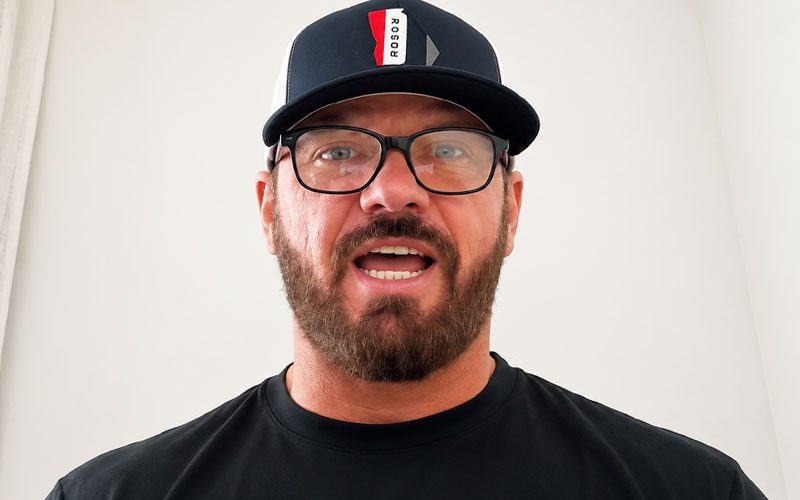
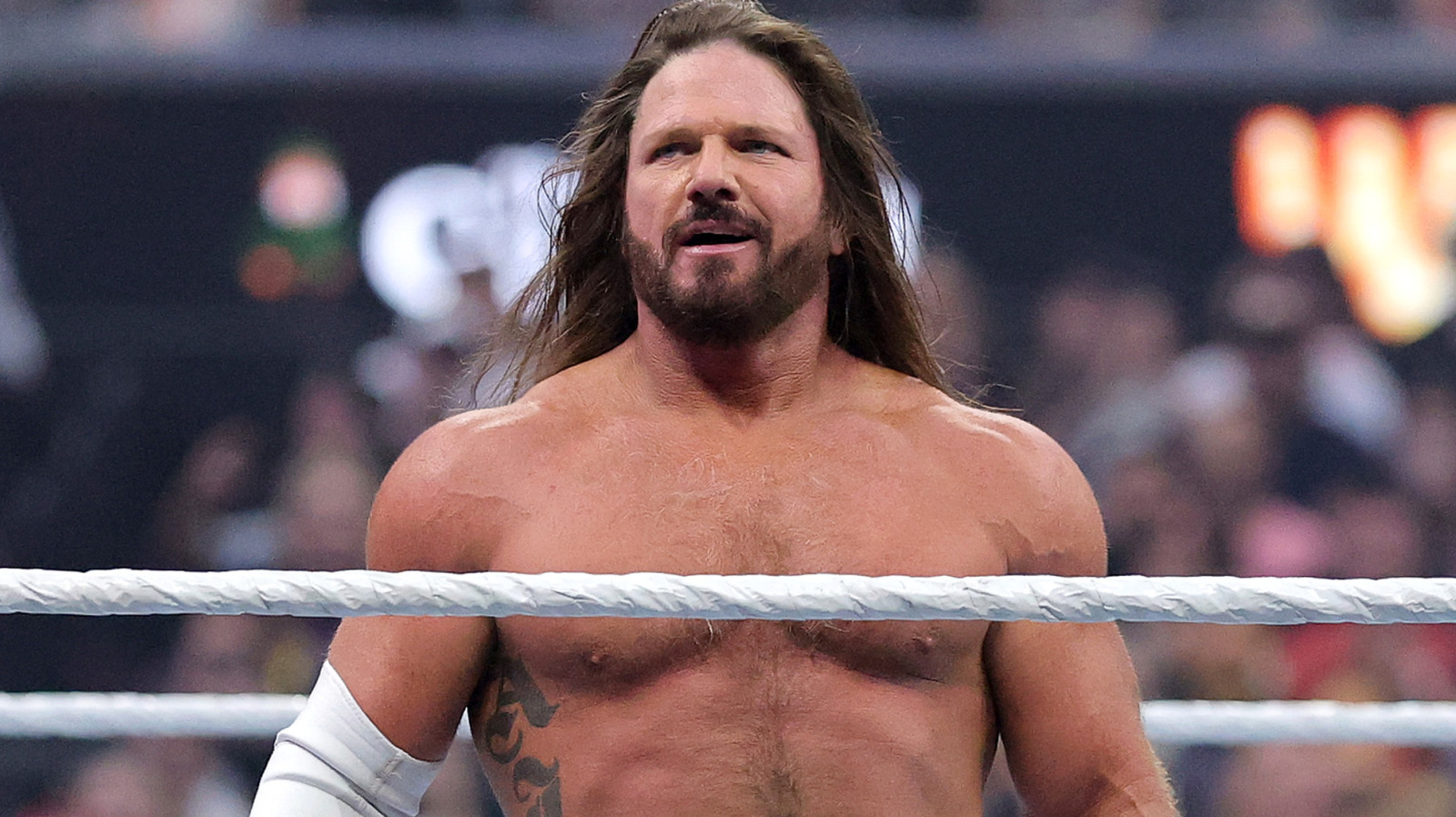
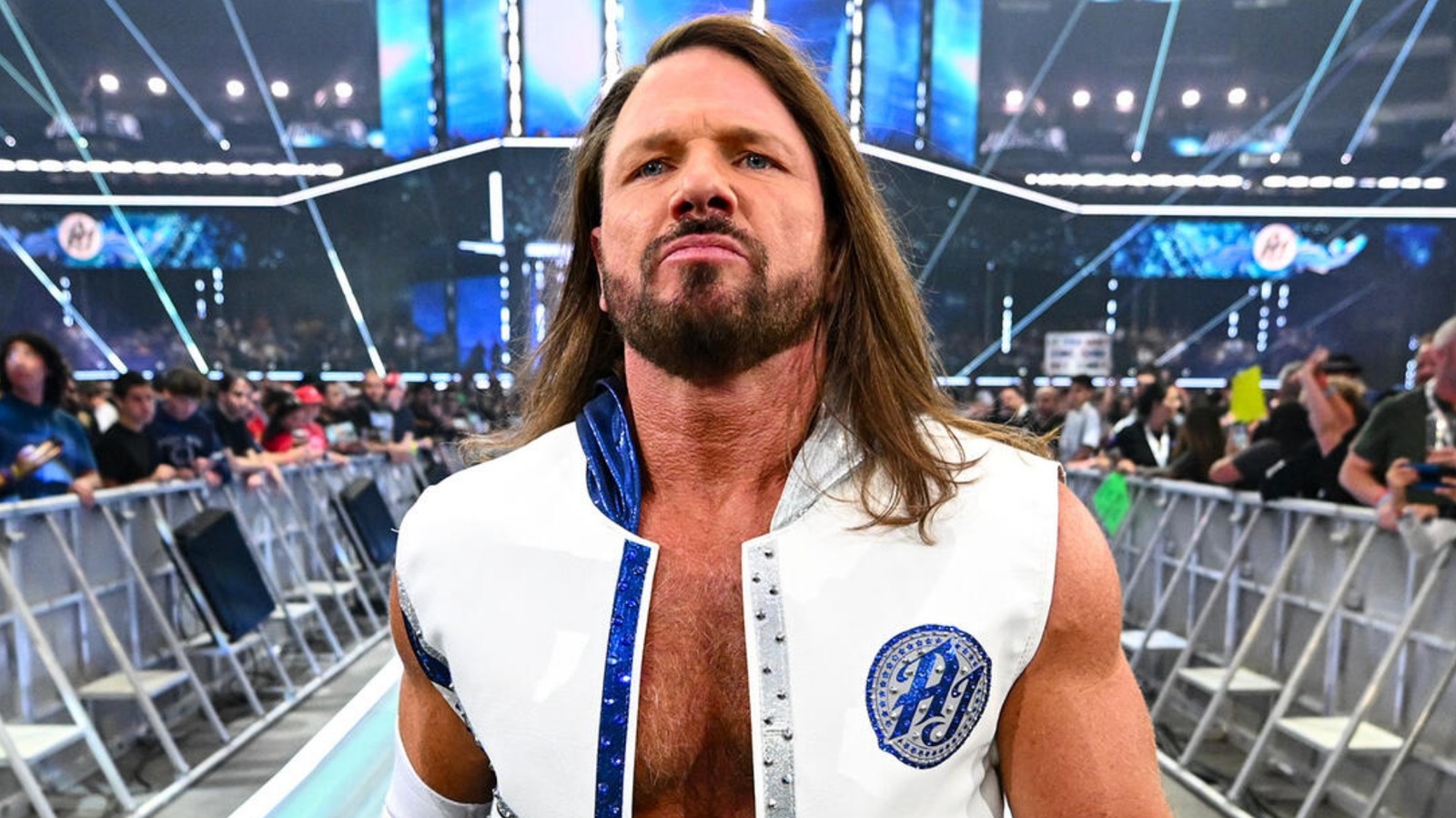
AJ Styles has spent the better part of 2026 operating with a different lens than most of the locker room. While the business pivots toward SummerSlam and the spectacle of U.S. Bank Stadium, Styles has been vocal regarding the internal mechanics of professional wrestling. He views the industry not just as a series of match bookings, but as a preservation of specific talents that are often ignored by the vocal majority.
His recent commentary on Michael Cole serves as a reminder that the engine of WWE often runs on voices fans treat as background noise. Styles argues that the appreciation for long-term consistency is secondary to the immediate gratification of high-spot wrestling. It is a sharp, critical observation of a fanbase that constantly demands the next innovation without respecting the baseline of professional broadcasting.
The Kenny Omega hypothesis
The conversation inevitably drifts to the gaps between promotions. With SummerSlam approaching on August 1 and 2, the industry focus is on the scale of WWE production, an evolution that stands in contrast to the recent musings from Styles regarding Kenny Omega. Styles is adamant that a jump for Omega remains unlikely.
His reasoning is grounded in the reality of organizational structures. Styles understands the Bullet Club history, but he recognizes that the current alignment of Omega within AEW isn't just about professional vanity. It reflects a territorial comfort that defines modern wrestling. If you expect a massive shift in talent movement, you are ignoring the logistical security these performers currently enjoy.
Fear and the reality of time
The most revealing moment in recent coverage stems from an unlikely source. During a discussion initially focused on Sheamus and the noise surrounding his uncertain tenure, AJ Styles admitted to a singular fear that has haunted his tenure. It was not a fear of losing a championship or a decline in work rate.
Styles admitted he constantly processed the fear of not being able to maintain his own standard. It is a vulnerable look at a veteran who spent years in Japan proving he was the best, only to face the pressure of the national spotlight. For a performer who relies on a high-velocity style, the fear of losing that step is the only metric that matters. It explains his cynicism toward those who do not respect the veterans currently doing the heavy lifting.
The tactical outlook
As we approach the double-header in Minneapolis, the contrast between the young stars pushing for a spot and the veterans protecting their legacy is clear. The tactical reality is that WWE is leaning into massive event weekends as their primary vehicle for revenue. This prioritizes the card hierarchy over the individual week-to-week storytelling that defined the middle of the last decade.
My prediction for the coming months is a hardening of rosters. We will see fewer instances of major movement between brands because the investment required to reach the stage of a U.S. Bank Stadium event is too high to risk on unproven entities. If someone like Sheamus does exit, it will be the rare exception that proves the rule. The industry is currently favoring retention over acquisition. Expect the booking to prioritize reliable, veteran presence to anchor these large venues, despite the protestations of fans who want constant, erratic change.