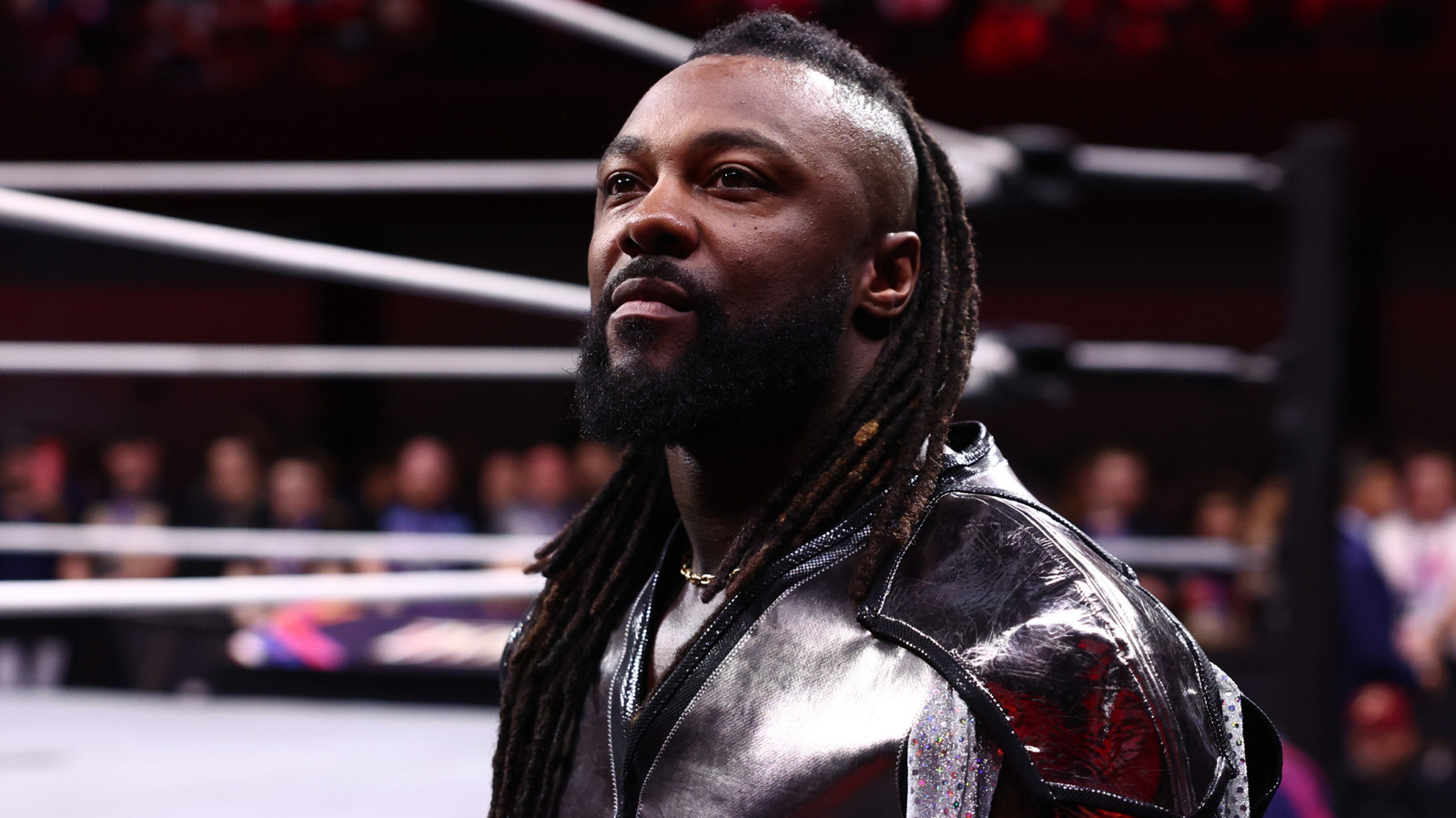
MB Funk’s passing is a sobering check on the independent wrestling grind
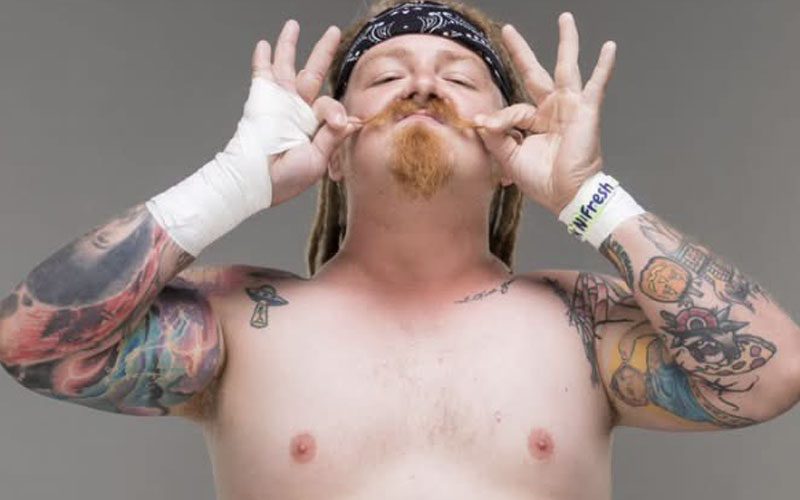
The loss of Michael Blake Whitehead
The independent wrestling circuit is a world built on the backs of those willing to trade physical longevity for a moment of connection with a room of two hundred people. On May 18, 2026, that world lost one of its most persistent fixtures. As Ringside News reported, Michael Blake Whitehead, known to the fans as MB Funk, has passed away. The news has sent a shockwave through the locker rooms of the small-town armories and high school gyms where Whitehead spent the better part of his career perfecting a craft that rarely yields a pension or a medical plan.
Whitehead wasn't just another body in a pair of trunks. He was a practitioner of a very specific, rhythm-based style that honored the 'Funk' name he adopted. In wrestling, that name carries the weight of Amarillo, Texas—a legacy of grit, technical wrestling, and an uncanny ability to sell a beating until the audience is screaming for a comeback. Whitehead understood the geometry of the ring. He knew how to use the bottom rope to create leverage during a struggle, and more importantly, he knew how to pace a match so that the climax felt earned rather than manufactured.
The mechanics of the indie character
To understand Whitehead’s impact, you have to look at the tactical shift occurring in independent wrestling in 2026. For a long time, the indies were obsessed with 'workrate'—a frantic, high-speed exchange of strikes and maneuvers that left little room for breathing. Whitehead was different. He operated on a different tempo. He utilized the 'cutoff'—that moment where a babyface’s momentum is halted by a well-timed heel tactic—with surgical precision. He didn't just hit moves; he created sequences that forced his opponents to actually wrestle for their openings.
I remember watching a tape from a small show in Georgia three years ago. Whitehead was working against a much younger, faster flyer. Instead of trying to keep up with the flips, Whitehead spent the first eight minutes of the match attacking the left knee. It wasn't flashy. It was grueling. Every time the younger wrestler tried to spring off the ropes, Whitehead was there to chop the leg out from under him. That is the tactical intelligence we are losing. He understood that a match is a story of physical consequences, not just a gymnastics routine.
The critical failure of the independent safety net
Here is the hard truth that most analysts want to gloss over: the independent wrestling scene in 2026 is still a dangerous, unregulated frontier. While the major promotions like WWE and AEW have expanded their medical protocols, the guys working the 'loop'—the three-show weekends across state lines—are often left to their own devices. Whitehead’s passing is a tragedy, but it is also a indictment of a system that treats performers as disposable assets. We see the 'GoFundMe' links every time a veteran falls ill or a young star gets injured, and it is a recurring failure of the industry's moral compass.
There is no centralized database for health screenings in independent wrestling. A performer can take a heavy blow to the head in one state on a Friday and be cleared to work a different promotion in another state on Saturday. We are twenty-six years into the 21st century, and we are still watching talented men like Michael Blake Whitehead navigate a career path that offers zero structural support. If you aren't on a televised contract, you are essentially a ghost in the machine, working through pain and concussions because the rent won't pay itself. It is a bleak reality that contrasts sharply with the glitz of the upcoming AEW Double or Nothing show in just six days.
A legacy of rhythm and grit
Whitehead’s persona as MB Funk was a masterclass in audience manipulation. He had a way of moving in the ring that felt slightly off-kilter, a rhythmic eccentricity that kept opponents guessing. Tactically, he used this to draw people in. He would feign exhaustion or a stumble, baiting a younger wrestler into a reckless charge, only to catch them with a snap powerslam or a rolling cradle. This is the 'veteran's edge'—using psychological warfare to compensate for the wear and tear of a decade on the mat.
His peers spoke of him as a locker room leader, the kind of guy who would sit in the back and watch every single match on the card, offering critiques to the rookies. He wasn't looking for a paycheck; he was looking for the 'art' of the struggle. He often spoke about the importance of the 'sell.' In an era where guys kick out of four Canadian Destroyers in a single match, Whitehead was the guy who would make a simple headlock look like a life-or-death struggle. He knew that if the fans didn't believe you were hurting, they wouldn't care when you won.
The changing of the guard
With Whitehead gone, the independent scene loses another link to the old-school philosophy of character-driven wrestling. We are seeing a move toward what Swerve Strickland recently described as the 'death of the indie star.' The pipeline from the small shows to the big stages is narrowing. The guys who used to thrive on personality and unique ring-styles are being passed over for 'athletes' who can perform the maneuvers but can't tell the story. Whitehead was a storyteller first and an athlete second.
The physical toll of this business is often hidden behind the bright lights and the loud music. We forget that these men spend six hours in a car for a thirty-minute match. They eat at gas stations and sleep in cheap motels, all for the chance to hear a crowd chant their name. Whitehead did that for years. He earned every bit of respect he received from his peers, and he did it without the backing of a major marketing machine. He was a self-made man in a world that usually breaks you before you can make anything of yourself.
Conclusion and the road ahead
As we look toward the big events of the summer, from the UCL Final to the World Cup, the wrestling world will continue to spin. There will be new champions crowned and new rivalries started. But in the quiet corners of the indie scene, the absence of Michael Blake Whitehead will be felt. There will be one less veteran to talk to the kids about positioning, one less worker who knows how to make a ten-minute draw feel like a classic, and one less person carrying the 'Funk' torch with pride.
We owe it to Whitehead and others like him to demand better for the people who entertain us. We cannot keep mourning these losses without addressing the underlying issues of healthcare and regulation in the independent circuit. Until then, we are just spectators at a blood sport, watching men give everything they have until there is nothing left. MB Funk was a unique talent, a tactical mind in a chaotic business, and his death leaves a void that won't be filled by the next guy who can do a 450 splash. Rest in peace, Michael Blake Whitehead. You worked the match of your life, and the locker room won't be the same without you.
WWE Elite Collection Series 117 Seth Rollins Action Figure
The Visionary in all his WrestleMania 40 glory, ready to conduct the crowd.
Frequently Asked Questions
Who was MB Funk in the professional wrestling world?
When did Michael Blake Whitehead pass away?
What was MB Funk's wrestling style like?
Why does the article criticize the independent wrestling scene?
How did MB Funk's approach differ from modern indie wrestling?
More Coverage
Andre Chase pulls back the curtain on the Shawn Michaels era at NXT
7 minutes ago
WWE’s Saturday Night strategy needs a rethink
13 hours ago
Strategy gaps heading into a triple-title AEW Collision
14 hours ago
G1 Climax 36 is already testing the limits of New Japan's depth
15 hours ago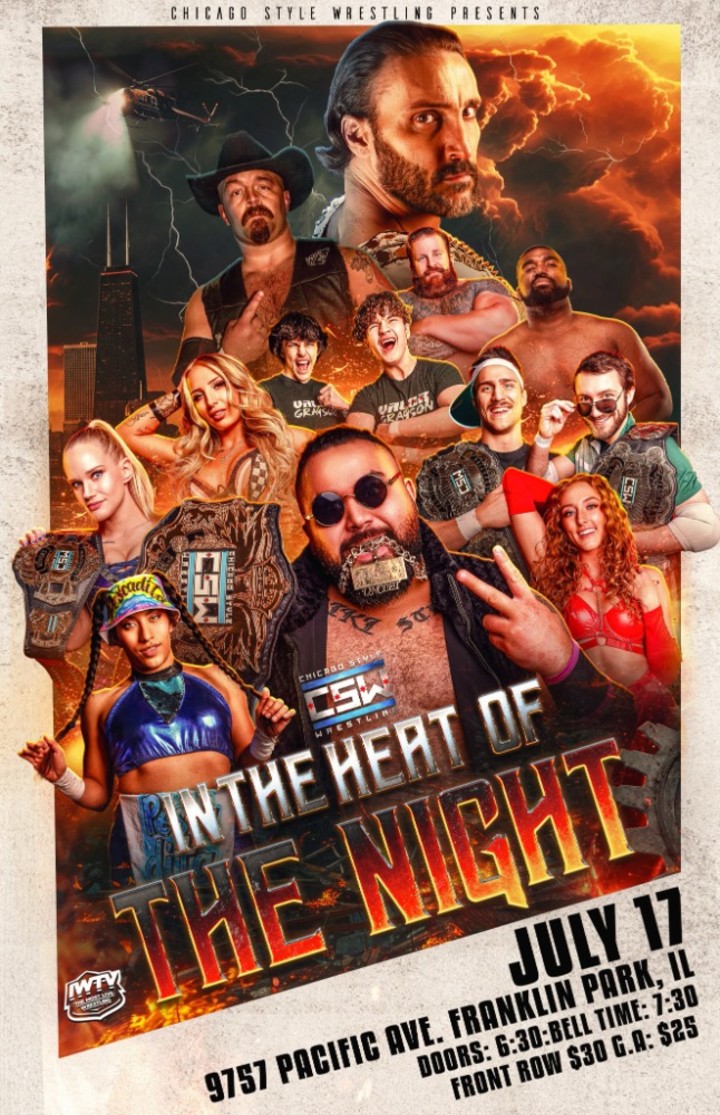
Chicago Style Wrestling ignored the basics and it showed
16 hours ago
Chicago Style Wrestling proves indie grit still lives in Franklin Park
16 hours agoMore Analysis
Honoring Jordan Saint: The loss that hits the indie circuit hard
1 month ago
The loss of Jordan Saint and the realities of the independent circuit
1 month ago
The tragic loss of Jordan Saint hits the indie scene hard
1 month ago
Daniel Moody’s passing is a stark reminder of the wrestling family burden
3 months, 3 weeks ago
Naptown All Pro faces a difficult reality after the loss of Jordan Saint
1 month ago