The lights go out for a rising star
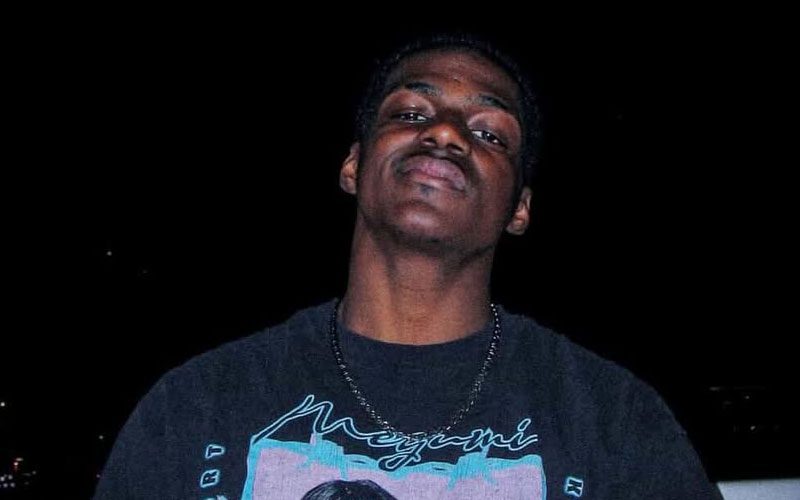
The independent wrestling world is reeling, and for once, the cynicism and the tribalism of the internet wrestling database chatter have gone dead silent. Jordan Nasir, who performed under the moniker Black Flash Jordan Saint, passed away this June. He had only seen 23 summers. Naptown All Pro Wrestling broke the news of his death, and the shock is still radiating through the regional circuits.
We spend so much time obsessing over high-production values and massive contracts that we forget the heartbeat of this business is in the bingo halls and fairgrounds. Saint was part of that engine, grinding away in Naptown to build a name that meant something to the locals. As Ringside News confirmed, the loss leaves a massive void in a promotion that relies on young talent like Nasir to keep the lights on and the fans engaged.
The grind behind the mask
Every indie wrestler is one bad landing away from the end of their career, but at 23, death shouldn't even be a footnote in the conversation. When you see a kid like that climbing the ladder, you assume time is on their side. You expect to see them graduate from regional shows to the developmental deals that F4WOnline noted are increasingly harder to secure in this hyper-competitive era.
The reality is that these wrestlers are putting their bodies through extreme physical stress for little more than gas money and the chance to showcase their craft. Nasir was a constant in his home promotion, showing the kind of technical polish that usually takes guys a decade to develop. He had the kind of athleticism that turns a sleeper hold into a main event spot, usually resulting in a crowd response that reminded everyone why they showed up to the show in the first place.
The quiet side of a loud business
We need to talk about how we treat these athletes. We treat them like digital commodities, tracking their win-loss records and grading their spot-fest matches like we are auditing a bank. Then, a tragedy like this strikes, and the tone of the community shifts from armchair booking to genuine, soul-crushing grief.
Nasir’s death is a sobering reminder that the risks taken inside those ropes are not hypothetical. Whether it is a superkick that lands an inch too far to the left or the cumulative toll of weekend-to-weekend road travel, the cost of entry is life itself. It makes those complaints about poor camera angles or lackluster commentary feel incredibly small and petty in retrospect.
There is no grand conspiracy here and no massive corporate pivot to analyze. Just a kid who loved the game too much, doing what he loved in a ring that likely felt like the center of the universe to him. The independent circuit is often called the lifeblood of professional wrestling, yet it is also the place where these performers receive the least support when things go sideways.
The industry owes it to performers like Jordan Nasir to provide better safety oversight, even at the lowest levels. We can’t keep treating these people as disposable assets while simultaneously mourning them once they are gone. Rest in power to a talent that was taken way before his time. The industry record shows he had a win percentage that would have made him a regional champion sooner rather than later, but now that doesn't even matter, does it?