The death of the Reseda pipeline
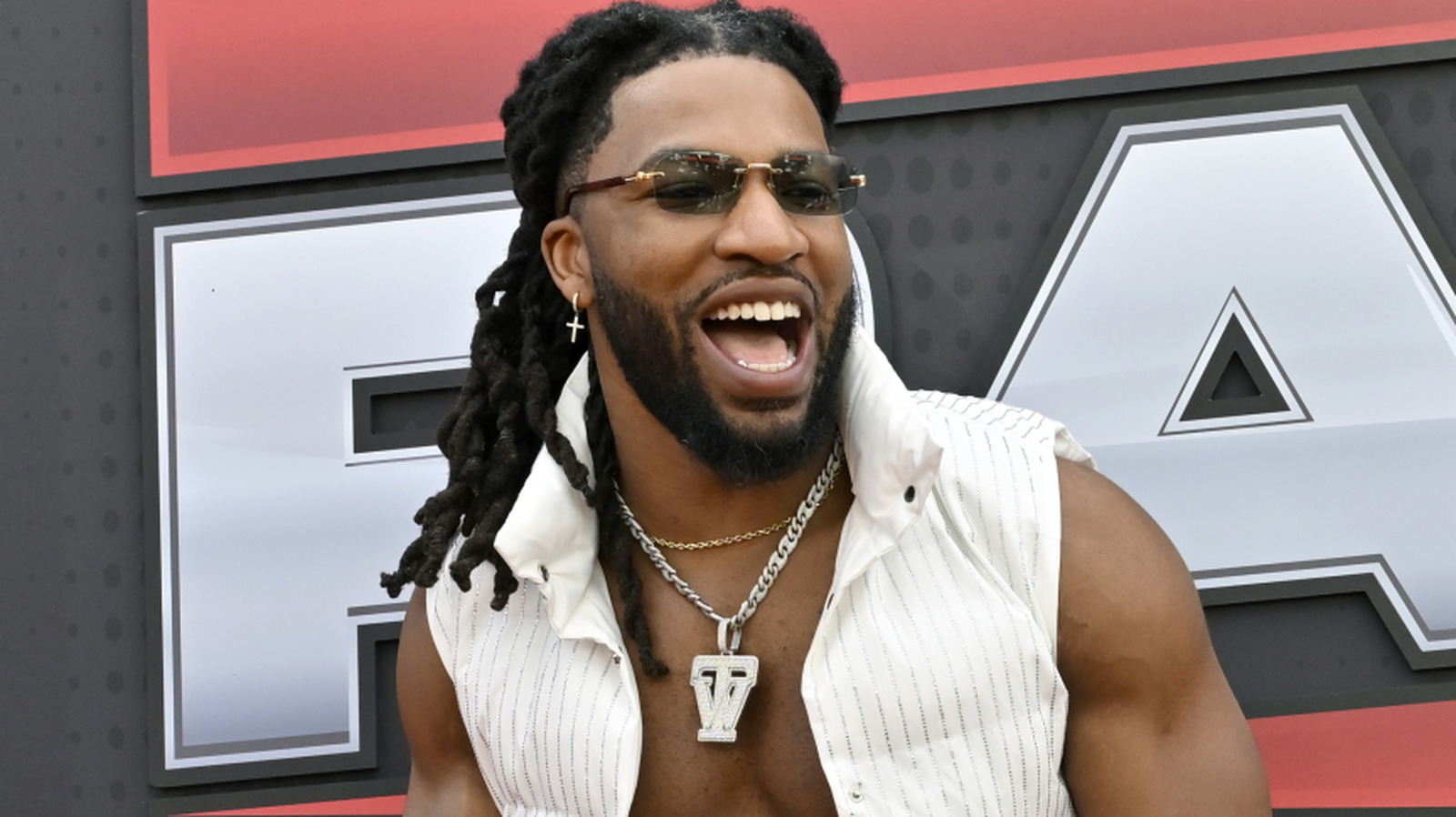
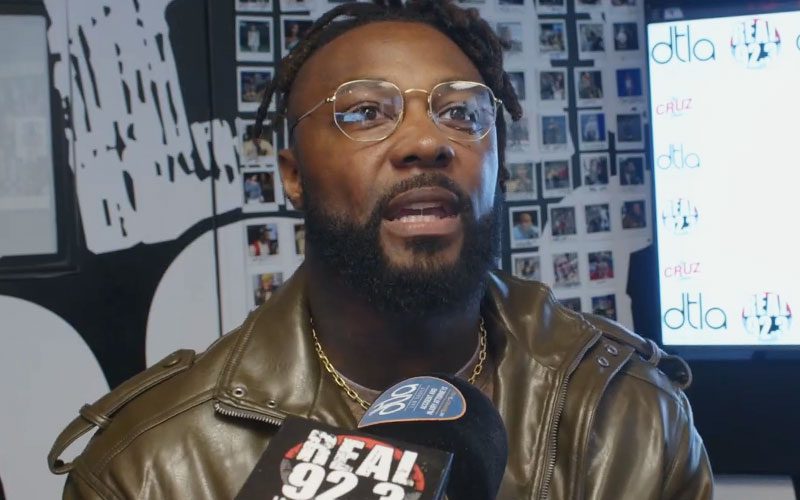
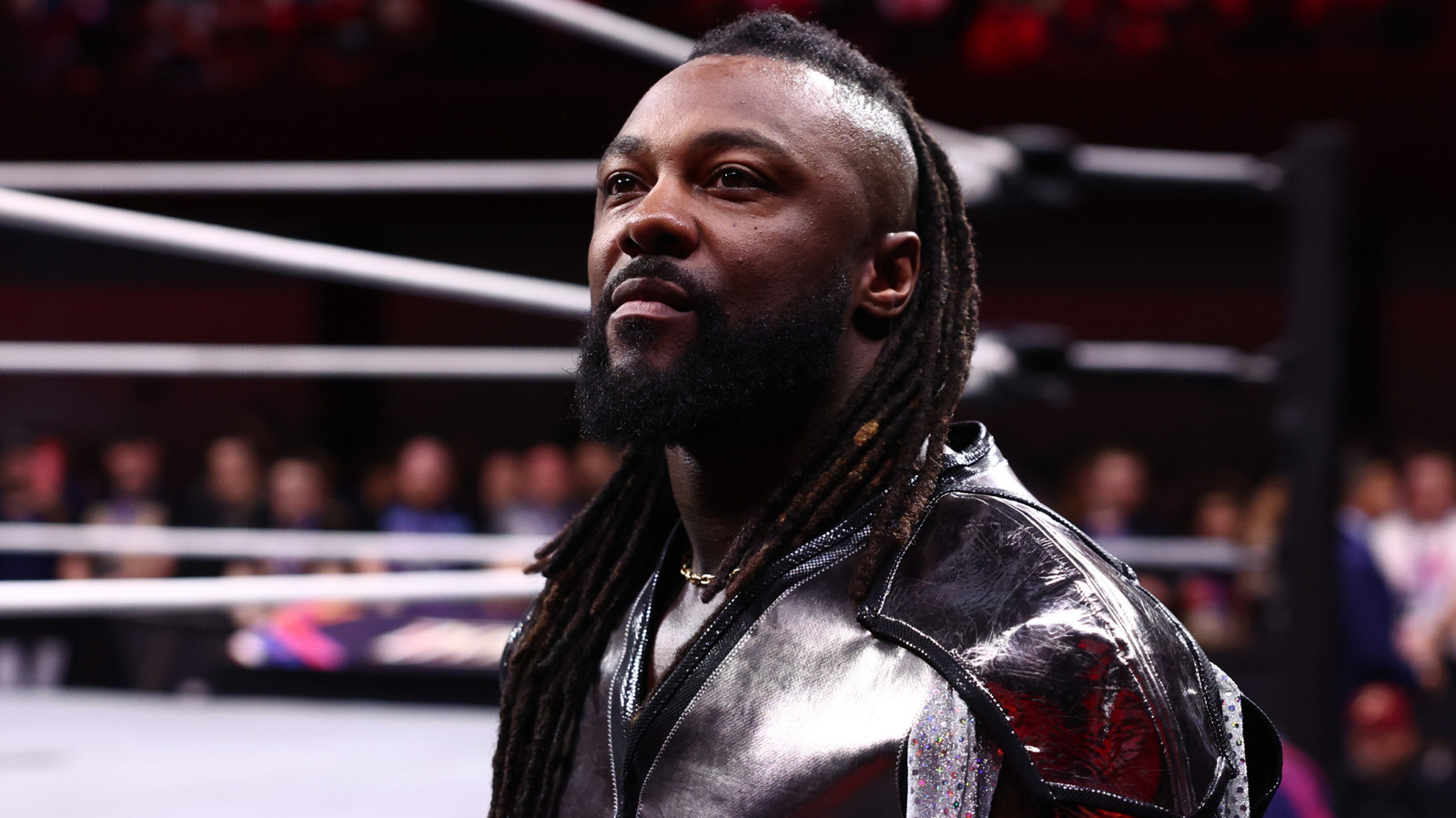
Swerve Strickland isn't mincing words. In a recent interview, the former AEW World Champion stated bluntly that the archetype of an indie wrestling star is "dying." He described the current independent wrestling scene as being in a "dire situation" compared to a decade ago. He isn't just complaining about the good old days. He is identifying a fatal structural collapse in how professional wrestling creates its stars.
Before Swerve was an AEW World Champion, he was Killshot in Lucha Underground. He was grinding in CZW and evolving his style across Europe. He lived the exact archetype he is now declaring dead. When a guy with that pedigree says the system is broken, you listen. He isn't an outsider looking at a spreadsheet. He survived the meat grinder. He knows that the independent scene used to function as an unofficial minor league for the major promotions. It was an autonomous zone where talent could beta-test characters, refine their timing, and build an organic fanbase without corporate oversight.
Ten years ago, the pipeline was clear. You grinded in VFW halls. You got booked in Pro Wrestling Guerrilla. You had a 30-minute classic in Reseda that got ripped to YouTube. You signed with Ring of Honor or Evolve. Then, a major TV executive called you. That was the formula. That was how Bryan Danielson, Seth Rollins, Kevin Owens, and Sami Zayn built the modern main event style.
That model is entirely dead. I am predicting right now that by 2029, the concept of a major company signing a wrestler purely based on their independent match quality will be viewed as a relic of the past. The industry has hard-forked. The future belongs to the NCAA, the Performance Center, and viral social media clips.
The inflation of workrate
Let's look at the mechanics of why this is happening. The barrier to entry for spectacular moves has plummeted. In 2016, a standing shooting star press or a Canadian Destroyer was a massive deal. It was a reason to buy a DVD or subscribe to a streaming service. Today, those moves are transition spots on free television. The athletic economy experienced hyperinflation. When everyone on a Wednesday night AEW Dynamite can hit a 450 splash, being the guy who hits a 450 splash in a high school gym in Ohio no longer makes you special. It just makes you standard.
This isn't just a stylistic shift. It is a brutal financial reality. The economics simply don't support the indie grind anymore. Inflation has crushed the profit margins for small promoters. Renting a venue, securing insurance, and flying in talent costs significantly more in 2026 than it did in 2016. To break even, promoters need a guaranteed draw. But the major companies have hoarded all the draws. AEW alone has over 150 wrestlers on their roster page. Many of them haven't wrestled on Dynamite in months. They are under contract, collecting a check, and unavailable to the independent promoters who desperately need them to sell tickets.
Look at the recruitment data. In 2015, roughly 80 percent of the WWE developmental roster had prior independent experience. They were signing Kevin Steen, El Generico, Prince Devitt, and Kana. Today? The numbers have flipped. A massive chunk of the Performance Center consists of former Division I athletes with zero prior wrestling experience. WWE realized it is cheaper and more efficient to teach a 23-year-old gymnast how to take a flat back bump than it is to teach a 30-year-old indie veteran how to unlearn a decade of bad habits. They want a physical freak who can be taught how to run the ropes and cut a promo.
This is a classic scaling problem. The indie archetype relied on continuous escalation of physical risk. If a standard suplex doesn't pop the crowd, you do a suplex off the top rope. If that stops working, you do it onto the ring apron. The independent scene scaled match quality by increasing danger. But human bodies have a hard cap. We reached the absolute limit of physical escalation around 2019. You cannot do more flips, take harder bumps, or wrestle at a faster pace without guaranteeing catastrophic injury. The stylistic arms race ended in a stalemate. Once the major TV companies adopted that high-octane style, the independent promotions lost their unique selling point. Why pay thirty dollars for a local ticket to see a dangerous spotfest when you can watch Will Ospreay do it safer, faster, and cleaner on TBS every Wednesday?
The corporate athlete takeover
We are already seeing the effects on television. The overall athletic caliber of a WWE NXT broadcast is significantly higher than it was a decade ago, but the match psychology is often hollow. You have incredible athletes doing incredible things, but they haven't learned how to work a crowd in a hostile environment. They haven't spent five years figuring out how to get booed in Philadelphia or cheered in Chicago. They are hot-housed. Grown in a sterile laboratory in Orlando. The result is a smoother, safer, more corporate television product. It lacks the grit and the unpredictable energy of the old indie days. But the executives at Endeavor don't care about grit. They care about scalable IP. They want wrestlers who won't break down at age 35 because they spent their twenties taking bumps on concrete floors.
This brings me to my harshest criticism of Tony Khan's operation. AEW was supposed to be the alternative, the spiritual successor to the golden age of independent wrestling. Instead, Khan has essentially gentrified the indies. By buying Ring of Honor and turning it into a streaming-only purgatory for unused talent, he eliminated a vital stepping stone. AEW's reliance on signing aging ex-WWE stars and plugging them into main events while their homegrown indie talent stagnates on YouTube shows is a massive failure of talent development. They are burning through the finite resource of established stars without planting seeds for the next generation. As we approach AEW Double or Nothing 2026 in just six days, look at the top of the card. It is entirely reliant on names that were made somewhere else, a decade ago.
The 2029 Prediction
Here is my definitive prediction for the industry over the next 36 months. By 2029, the traditional independent wrestling promotion will exist strictly as local theater. The pipeline from the indies to national television will be completely severed.
WWE will draft 100 percent of its developmental talent from the NCAA and the Olympics. They will not sign a single wrestler whose primary credential is a five-star match in a high school gym. Tony Khan will eventually realize that his current model is unsustainable. AEW will be forced to either build a legitimate, centralized training facility or partner exclusively with an international promotion like NJPW or CMLL for talent exchanges.
The wrestlers who are currently tearing their bodies apart for meager payouts in front of 200 people need to wake up. Swerve Strickland is telling you the truth. The fans who cheer for you aren't paying your medical bills. The scouts from Stamford aren't watching your tapes. If you want to make it in the wrestling business in 2026, you need to stop worrying about your Cagematch rating. You need to focus on generating viral clips. You need to cut a promo that stops someone from scrolling past you on their feed. You need a character that can be monetized into a t-shirt within 24 hours.
The era of the scrappy indie darling is over. It has been replaced by the era of the optimized content creator. You can hate it. You can call it a betrayal of the sport's roots. But you cannot deny the reality. Swerve sees it. The smart money sees it. The indie star is dead, and the corporate athlete is already standing over the body.