The Ghost in the Machine: How WWE Broke Karrion Kross
The NXT Blueprint
To understand the sheer magnitude of creative malpractice that defined Karrion Kross’s first main roster run, you first have to remember the monster they had. In NXT, Kross wasn't just a wrestler; he was an inevitability. The entire production, from the chilling, cinematic entrance scored by Scarlett's live vocals to the stark black-and-white presentation, was meticulously crafted to build an aura of finality. He was Doomsday. When the glass shattered on the screen and the first notes of “Fall and Pray” hit, the audience knew the end was near for whoever stood in the ring.
His in-ring work was perfectly synergistic with this presentation. Kross worked with a suffocating, violent efficiency. There was no wasted motion. He wasn’t there to have a 20-minute classic; he was there to end people. His victories over top-tier NXT talent like Tommaso Ciampa, Finn Bálor, and Keith Lee weren't just wins; they were pronouncements. He captured the NXT Championship twice, and both times it felt less like a contest and more like a prophecy fulfilled. He was booked as an intelligent monster, a killer with a plan, perpetually flanked by a valet who felt more like a co-conspirator than a manager. It was a complete, main-event-ready package.
Creative Self-Sabotage
Then came July 19, 2021. The reigning, undefeated NXT Champion Karrion Kross appeared on Monday Night Raw. The moment the music hit, the problems began. There was no Scarlett. There was no grand, sepulchral entrance. The black-and-white filter was gone, replaced by the generic, oversaturated lighting of the main roster. The aura, so carefully constructed over 574 days in NXT, had been stripped away before he even stepped through the ropes. He was just a guy in trunks.
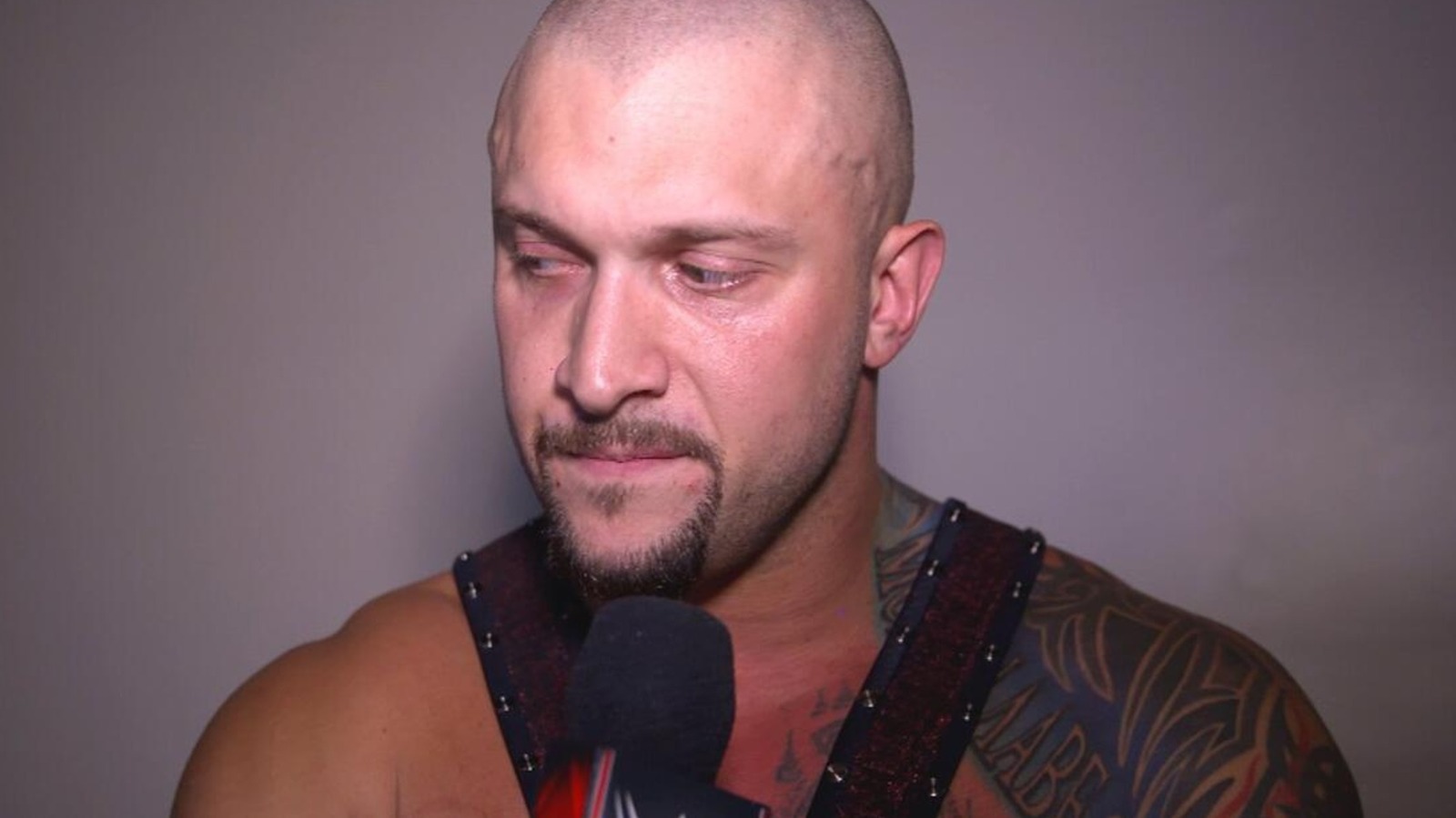
The opponent was Jeff Hardy, a legend, but one who was not currently positioned in a top-level program. The bell rang. A few minutes later, Hardy won with a roll-up, his feet clearly on the ropes. Kross, the undefeated NXT Champion, lost his debut match in under two minutes. The decision was so baffling, so utterly destructive to the character's core identity, that it felt like a parody. An unstoppable force had just been stopped, not by a heroic feat, but by a cheap finish in a throwaway match. In a recent interview, Kross himself reflected on this period, and it's clear the disconnect between the NXT presentation and the main roster debut was as jarring for him as it was for the audience.
It got worse. In the following weeks, WWE’s solution to the character they had just broken was not to restore the elements that worked, but to add a layer of absurdity. Kross appeared wearing a comically bad “gladiator” mask and suspenders, looking less like a harbinger of doom and more like a lost member of the Demolition tag team who had wandered out of a 1980s costume party. The booking did him no favors, trading wins and losses in a 50/50 pattern that is poison to any monster character. The man who was once the final boss of NXT had become just another guy on the roster, saddled with a ridiculous gimmick that nobody, least of all the performer himself, seemed to believe in. The damage was immediate and, arguably, permanent.
The Anatomy of a Failure
The failure of Kross's first run wasn't about talent. It was a catastrophic failure of understanding what the act was. Removing Scarlett was like removing Paul Heyman from Brock Lesnar or Paul Bearer from The Undertaker. She wasn't just a valet; she was the prophet who foretold his arrival. Her presence gave the act its texture, its mystique, its narrative weight. Without her, Kross was just a big man who scowled. The entrance, the presentation—it was all part of the package that convinced the audience he was a star. Stripping it away left the character hollow.
The booking itself was a case study in how to kill a monster. Monster characters, from Vader to Goldberg to early-era Lesnar, are built on a simple principle: dominance. They must feel special. Making the undefeated NXT Champion lose his first match, especially in such a flimsy manner, communicated to the audience that he was, in fact, not special at all. He was just another wrestler who could be beaten on any given Monday. This isn't a knock on Jeff Hardy; it's a critique of a booking philosophy that prioritizes short-term surprises over long-term character building.
This is where the tactical analysis comes in. Wrestling psychology isn't complex: you build expectations and then you either meet them or subvert them for a compelling reason. The expectation for Kross was a path of destruction leading to the main event. Subverting that by having him lose immediately, for no discernible storyline purpose, didn't create a compelling underdog story or a new narrative. It simply told the fans that their investment in his NXT run was meaningless. It broke the implicit contract with the audience. The subsequent addition of the helmet was merely salt in the self-inflicted wound, a sign that the creative team had no idea what made the character work in the first place.
The Lingering Damage of a Bad First Impression
When Kross and Scarlett were re-hired by the new creative regime in August 2022, it was a clear attempt to right a past wrong. The presentation was immediately restored. The cinematic entrance returned, Scarlett was by his side, and the character was initially positioned in a high-profile feud with Drew McIntyre. On paper, it was the perfect reset. Yet, nearly two years later, Kross remains firmly in the upper-midcard, a constant presence but never quite breaking into the legitimate main event picture that once seemed his destiny.
This is the ghost of that first run. You only get one chance to make a first impression on the main roster audience. The 2021 debut defined him for millions of viewers not as the NXT killer, but as the guy who lost to Jeff Hardy and then wore a silly mask. That initial perception is incredibly difficult to erase. While his current act, The Final Testament, has a clearer identity and has produced some solid work, it has never recaptured the terrifying aura of his NXT peak. The sense of inevitability is gone.
He is no longer booked as an unstoppable force, but as a cunning, cerebral heel who leads a faction. It's a perfectly fine role, but it's a significant step down from the Goldberg-esque trajectory he was on. The failure to protect him upon his initial arrival created a ceiling for the character. He can be a threat, he can be a great antagonist for a top babyface, but can he ever be *the* guy? The man the champion fears above all others? The evidence so far suggests not. That mystique, once shattered, is almost impossible to fully piece back together. Karrion Kross remains a living testament to the fact that in WWE, how you start is often exactly where you finish.
Blood and Guts: The History of Wrestling's Most Dangerous Matches by Scott E. Williams
A deep dive into the hardcore history that influenced modern AEW and extreme wre
Frequently Asked Questions
How was Karrion Kross presented during his time in NXT?
Who did Karrion Kross face in his WWE main roster debut?
What elements were missing from Karrion Kross's Raw debut?
Why did Karrion Kross wear a gladiator mask on the main roster?
How did 50/50 booking impact Karrion Kross's WWE career?
More Coverage
WWE's New York gamble is a calculated risk ahead of WrestleMania 42
2 hours ago
WWE's Saturday Night's Main Event math doesn't add up
2 hours agoWWE's return to New York changes the math on stadium attendance
2 hours ago
Top 10: Top Moments from MSG
3 hours ago
SmackDown is drifting into mid-summer malaise
3 hours agoTop 10: Top Moments
3 hours agoMore Analysis
Karrion Kross was the biggest victim of WWE's worst creative impulse
2 months ago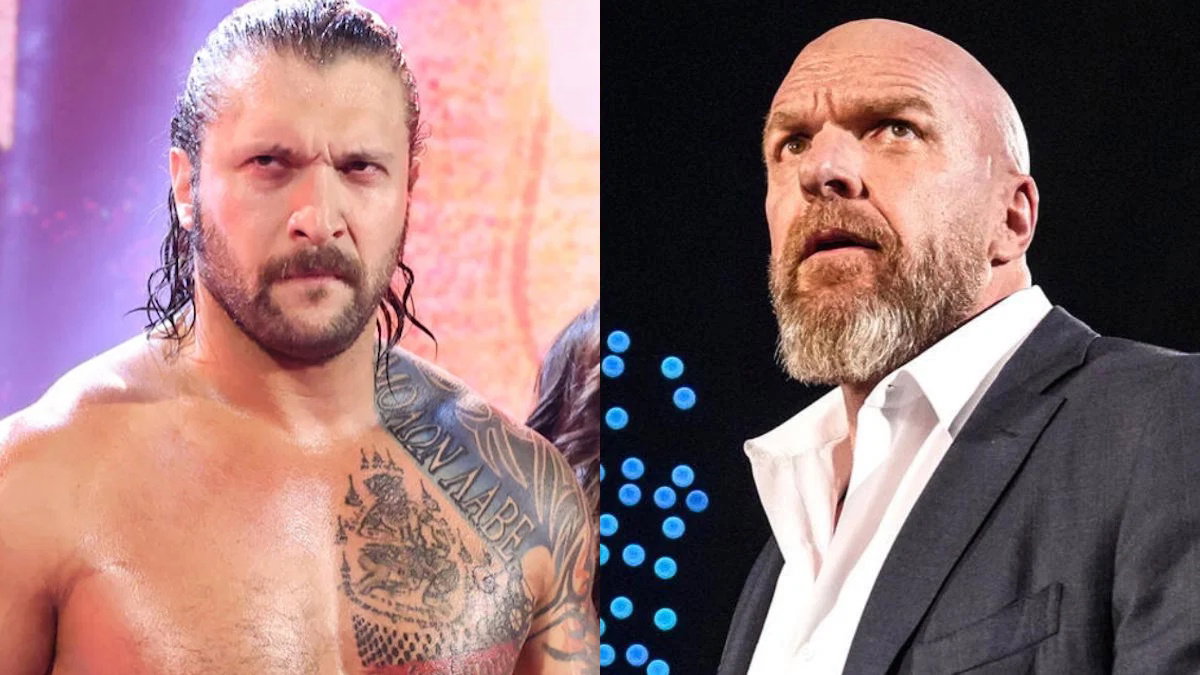
The weird glass ceiling in Triple H's WWE kitchen
1 month, 1 week ago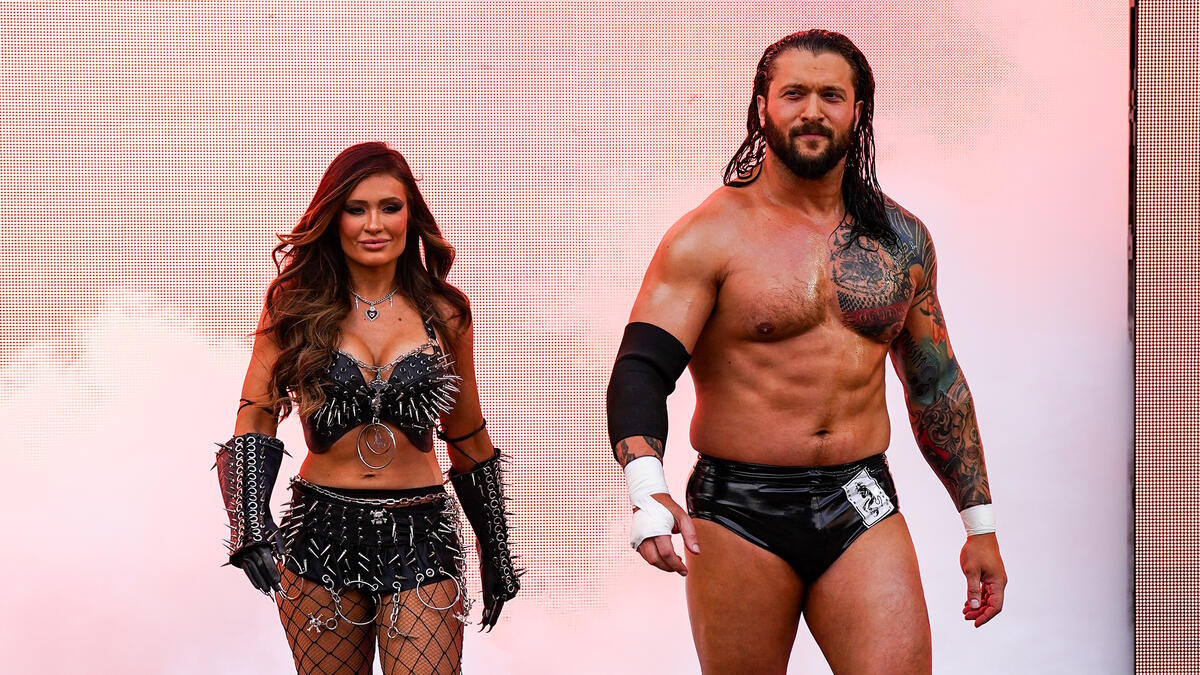
Karrion Kross and the data gap in WWE's character retention
1 month, 2 weeks agoKiller Kross winning belts in Australia is exactly what he needs
2 months ago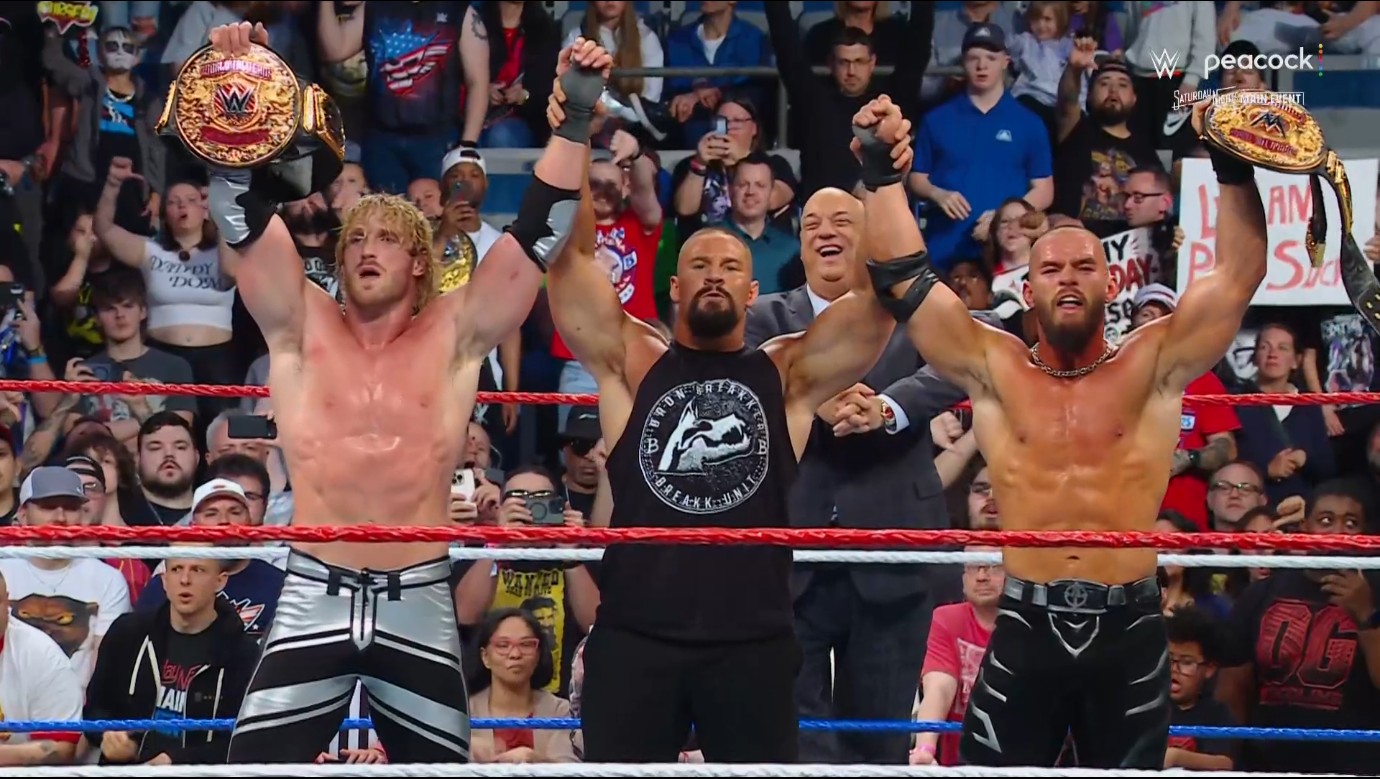
Karrion Kross and The Vision are trying way too hard
1 month, 2 weeks ago