Measuring the void left by a rising talent
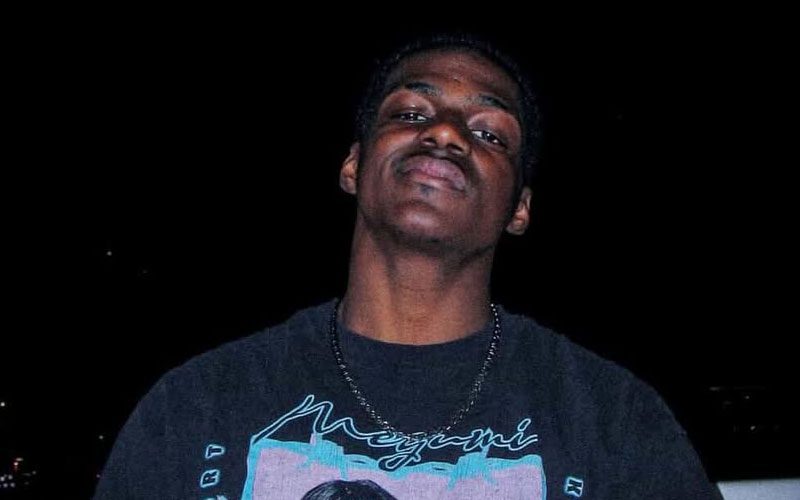
The indie scene is reeling this week following the announcement from Naptown All Pro Wrestling regarding the death of Jordan Nasir. Known to the local circuit as Black Flash Jordan Saint, Nasir was only 23 years old. As reported by Ringside News, the promotion confirmed the passing of the athlete, leaving a community searching for answers.
In the ring, Saint was more than just a name on a card. He brought a specific kind of urgency to the independent circuit, favoring a high-velocity style that forced opponents to keep pace or risk being outmaneuvered. His sequences often prioritized transitional speed, using corner-based attacks to set up finishing maneuvers before the 10-minute mark.
The structural challenge for independent circuits
Promotions like Naptown All Pro rely heavily on the vitality and rhythm provided by young performers. When a talent at the start of their trajectory is lost, the impact registers far beyond the roster sheet. It disrupts the planned build-ups for upcoming cards and creates a vacuum in the division that cannot be filled by simple substitution.
The technical gaps left by Saint’s absence are significant. Many of his recent bouts featured complex grappling exchanges that shifted from traditional holds into high-risk aerial spots. Watching him work, one noticed a distinct refusal to settle into rest holds, a habit that defined his pacing.
Reflecting on a truncated career
The tragedy invites a cold examination of how the industry supports independent workers. Athletes operating outside of the major televised entities often handle their own logistics, training, and recovery. In a sport where physicality peaks during the mid-twenties, losing a performer at 23 is a stark reminder of the volatility inherent in this career path.
Booking committees now face the grim task of navigating the aftermath. Canceling events or shuffling the card are merely mechanical responses to a much deeper human blow. The focus for the promotion must shift toward honoring a legacy while ensuring the remaining performers have the necessary mental health support.
Final thoughts on the road ahead
Critics frequently point to the lack of oversight in the regional scene as a primary concern. The loss of such a young performer necessitates a rigorous review of how independent leagues function. Wrestling is a brutal, demanding profession, and the safety measures surrounding these events require constant, aggressive questioning by those who cover the sport.
I expect the next month of local programming to be defined by tributes rather than competitive stakes. Expect to see black armbands and silent ten-bell salutes as the Naptown circuit attempts a return to functionality. The industry owes it to the memory of athletes like Saint to refine its standards and care for those still actively climbing the ranks.