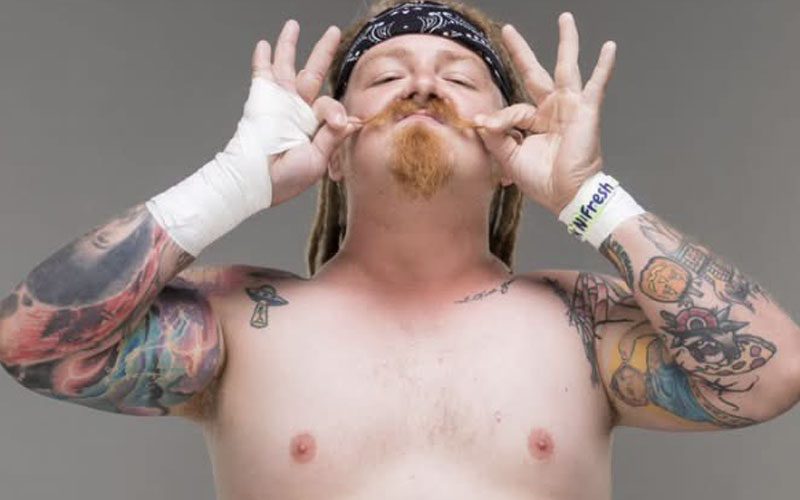
Daniel Moody’s passing is a stark reminder of the wrestling family burden
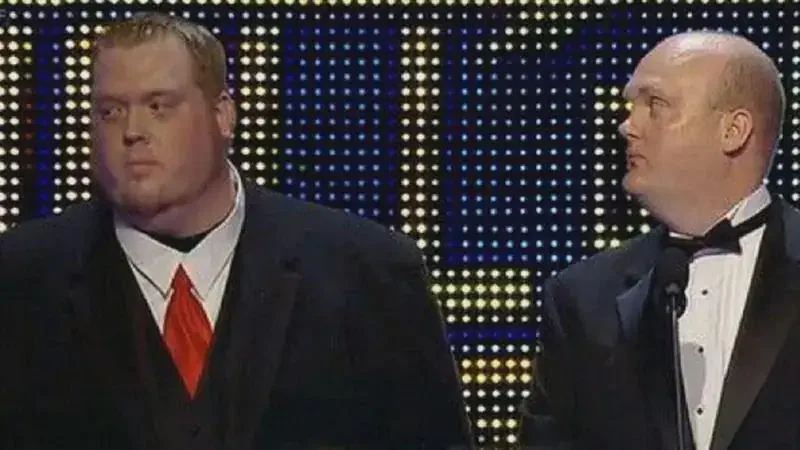
A Legacy Built in the Shadows of the Undertaker’s Urn
The news arrived on Wednesday via the official Facebook page dedicated to the memory of William Moody, the man the world knew as Paul Bearer. Daniel Moody, known to the independent wrestling scene as DJ Pringle, has passed away. It is a quiet, somber end for a man who occupied a unique space in the professional wrestling ecosystem—not as a global superstar, but as a vital link to one of the most successful psychological frameworks in the history of the business.
Daniel was the son of a legend. That sentence carries a weight that few outside the industry can truly grasp. While his father was ব্যস্ত leading the Undertaker and Kane to the top of the WWF marquee, Daniel and his brother Michael were growing up in the specialized atmosphere of the Gulf Coast wrestling scene. It was an environment defined by old-school heat, regional loyalty, and the relentless grind of the southern territories. Daniel didn't just inherit a name; he inherited a set of expectations that he carried every time he laced up his boots as DJ Pringle.
The choice of the name DJ Pringle was a tactical nod to his father’s pre-WWF career. Before the white makeup and the high-pitched squeal of "Ohhh yes!", William Moody was Percy Pringle III, a flamboyant manager who worked the Florida and Texas territories with a sharp tongue and a smarter mind for the business. By adopting the Pringle moniker, Daniel was signaling his intent to honor the man, not the corporate character. It was a move that earned him respect among historians and peers alike. He wasn't trying to be the next Paul Bearer. He was trying to be a Moody.
The Mechanical Reality of the Independent Grind
To analyze Daniel Moody’s career is to look at the structural foundation of independent wrestling in the 21st century. He wasn't a flyer. He didn't rely on the high-spot-heavy style that has come to dominate the current independent scene in 2026. Instead, his work was rooted in the fundamentals of positioning and timing. He understood that the most effective tool in a wrestler’s arsenal isn't a 450 splash, but the ability to make an audience believe in the stakes of a match through basic psychology.
He worked the local circuits with a consistency that often goes unnoticed by the national wrestling media. The news of his death, reported by F4WOnline and other outlets, highlights the disconnect between the glitz of WrestleMania season and the reality of the workers who keep the industry’s roots alive. While the world looks toward Las Vegas for WrestleMania 41, the loss of a worker like Moody reminds us that the business is built on the backs of those who perform in high school gyms and small armories for the love of the craft.
There is a mechanical precision required to be a successful second-generation performer on the independent level. You are constantly compared to a ghost. In Daniel’s case, that ghost was one of the most recognizable figures in television history. He had to develop a style that was distinct enough to avoid being a parody, yet familiar enough to satisfy the fans who came to see "Paul Bearer's son." It is a difficult needle to thread. Most fail. Daniel managed to maintain his dignity and his place in the locker room for years.
The Tragic Architecture of the Moody Family History
You cannot discuss the passing of Daniel Moody without acknowledging the sheer scale of loss this family has endured. His father, William, passed away in 2013. His brother, Michael, followed shortly after in 2014. For Daniel to be the last of that immediate lineage to go is a narrative beat that feels too cruel for even the most cynical wrestling booker to write. It is a sequence of events that has left the Moody family legacy effectively closed in terms of direct descendants in the ring.
This is where the critical eye must turn toward the industry itself. We celebrate the dynasties—the Harts, the Anoa'is, the Rhodes family. We talk about them as if they are royalty. But we rarely discuss the toll that this business takes on the families that don't make it to the Hall of Fame collectively. The Moody family gave everything to professional wrestling. William Moody spent decades on the road, sacrificing his health and his time to create a character that would live forever. His sons followed him into that world, perhaps because they didn't know how to exist anywhere else.
The industry is often parasitic in this regard. It takes the passion of a family and consumes it until there is nothing left but a Facebook memorial page and a few paragraphs on BodySlam.net. There is a lack of structural support for families like the Moodys once the bright lights of the WWE move on to the next big attraction. While WWE has historically helped with various issues for its legends, the second generation often falls through the cracks, left to navigate the physical and mental wreckage of a career in the ring without the same safety nets.
The Technical Legacy of the Pringle Name
When you watch tape of the Gulf Coast matches where Daniel was involved, you see a specific kind of professional. He understood the "heat" cycle. He knew when to cut off a babyface's comeback and how to use the referee to mask a heel's cheating. These are the lost arts of the business. In an era where pass completion rates in the ring are measured by how many flips you can land without stumbling, Moody was a throwback to a time when the goal was to make the fan in the front row want to jump the rail and punch you.
His work as DJ Pringle was a masterclass in regional character work. He didn't need a million-dollar entrance or a pyrotechnics display. He had a lineage and a look that commanded attention. But he also had the technical savvy to back it up. He was a student of the game who watched his father’s tapes from Mid-South and World Class Championship Wrestling, absorbing the lessons of men like Michael Hayes and Gary Hart. He was a bridge between the territory era and the modern independent scene.
The tragedy of his passing at a relatively young age is compounded by the fact that he was one of the few remaining repositories of his father’s specific knowledge. Every time a worker like Daniel dies, we lose a little bit of the oral history of the business. We lose the stories of the car rides between Mobile and Pensacola. We lose the tips on how to work a crowd that has seen everything. The loss is not just personal for his family; it is a loss of institutional knowledge for the entire Gulf Coast region.
Final Observations on a Life in the Ring
Daniel Moody was not a main-eventer at WrestleMania. He never held a world title on a national stage. But in the world of professional wrestling, that isn't the only metric of success. He survived in a business that kills many. He maintained the respect of a community that is notoriously hard to please. He carried a legendary name without letting it destroy him, even as he watched the rest of his family succumb to the rigors of life and the industry.
As we look toward the upcoming events on the calendar—the AEW Dynasty show on March 30 or the massive two-night WrestleMania 41 in April—the passing of Daniel Moody serves as a grounding moment. It reminds us that behind the characters, the urns, and the theatricality, there are real people with real families. The Moodys gave us Paul Bearer, a character that defined childhoods for millions. In exchange, the family was slowly dismantled by the very business they loved.
There is no FAQ for how to handle the death of a lineage. There are only the matches left on tape and the memories of the fans who saw DJ Pringle work a hot match in a small town. We should remember him not just as a son, but as a professional who showed up, did the work, and respected the ring. He was a piece of the puzzle that makes wrestling what it is—a gritty, difficult, beautiful mess of a sport that demands everything from those who choose to enter it.
"Daniel Moody was a man who understood that in wrestling, you are only as good as the respect you leave behind in the locker room."
That respect is clearly evident today. From PWInsider to the local fans in Alabama, the sentiment is the same. The wrestling world is a little bit emptier today. The urn has been closed for the last time for the Moody family, and while the character of Paul Bearer will live on in the WWE archives, the man and his sons are now together again, away from the noise, the travel, and the weight of the legacy that they bore for so long.
We often talk about the "future of the business" in terms of ratings and buy rates. But the true future is built on the foundation of the past. Daniel Moody was a part of that foundation. He was a worker in the truest sense of the word. And as he joins his father and brother, he leaves behind a void that won't be filled by the next big signing or the next viral clip. He was a Moody. He was a Pringle. And he was a wrestler. That, in this business, is enough.
Under the Black Hat: My Life in the WWE and Beyond
Good ol' JR takes us behind the scenes of the legendary Attitude Era.
More Coverage
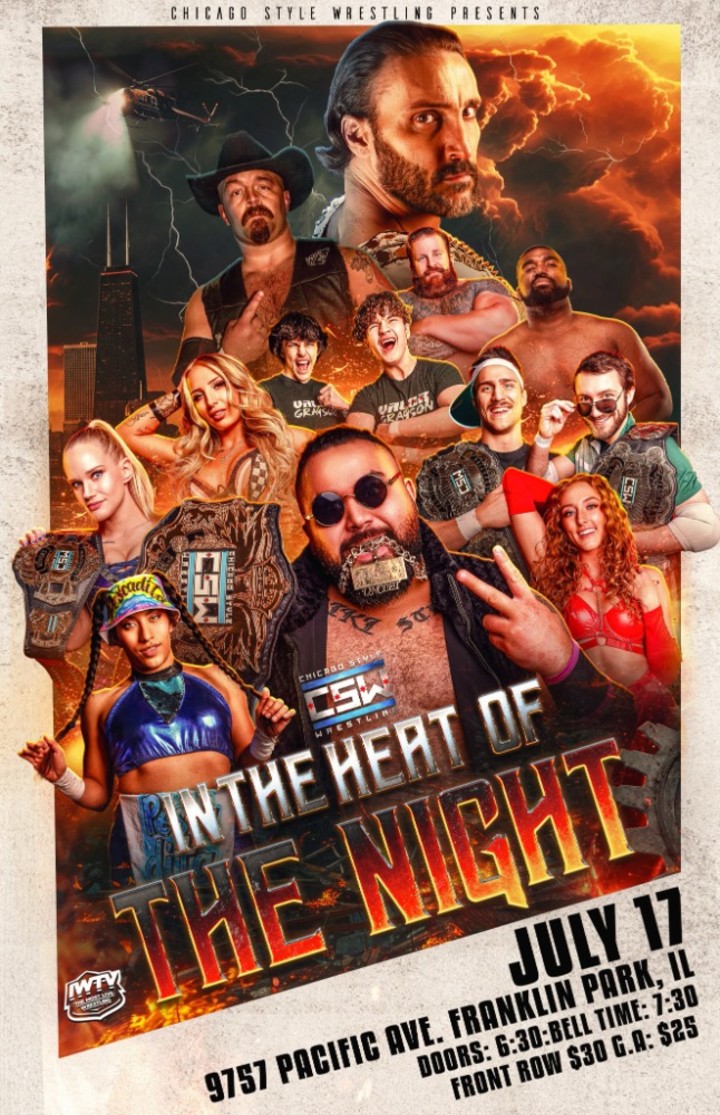
Chicago Style Wrestling ignored the basics and it showed
9 hours ago
Chicago Style Wrestling proves indie grit still lives in Franklin Park
9 hours ago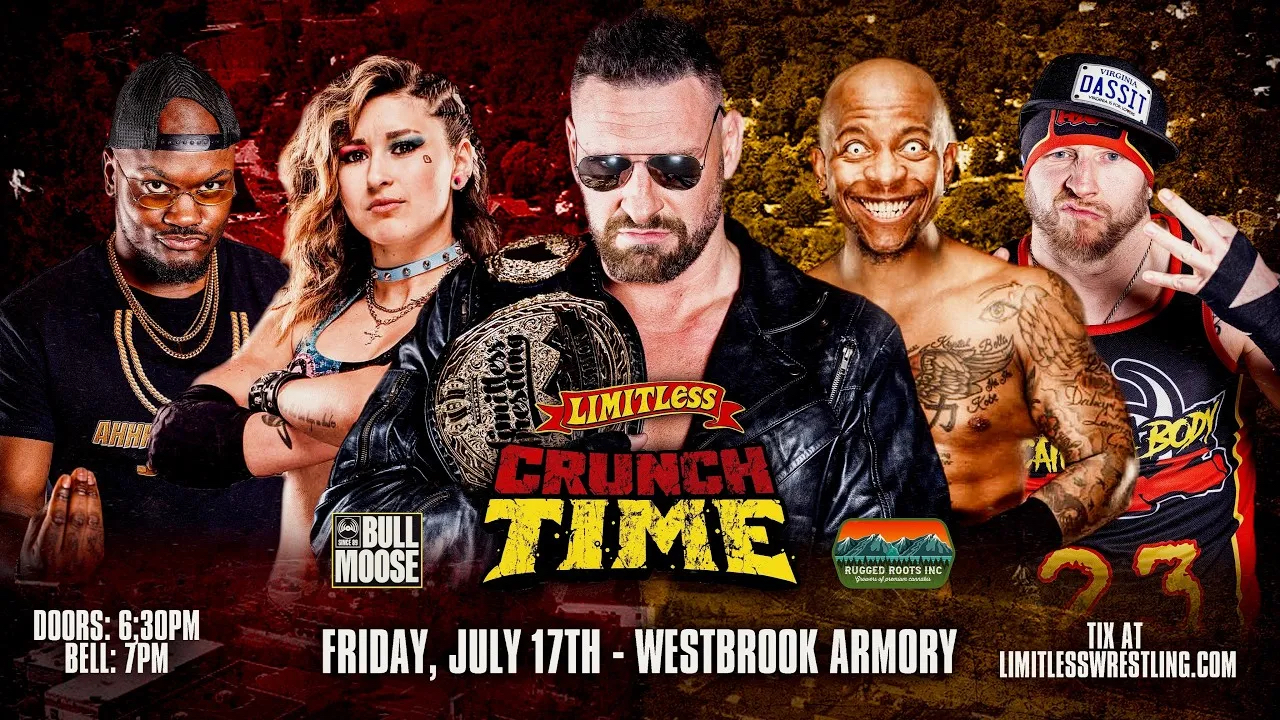
Westbrook Armory turned into a pressure cooker for Crunch Time
9 hours agoTNA keeps grinding while the indies define the summer
12 hours ago
Avery Styles and CJ Gallows face the Good Brothers: A bizarre indie experiment
18 hours agoScenic City Invitational returns to push technical limits in Red Bank
1 day, 13 hours agoMore Analysis
Wrestling World Mourns The Loss of DJ Pringle, Son of Paul Bearer
3 months, 3 weeks ago
Wrestling World Mourns Daniel 'DJ Pringle' Moody, Son of Paul Bearer
3 months, 3 weeks ago
Daniel Moody's passing marks a tragic end for a wrestling family
3 months, 3 weeks ago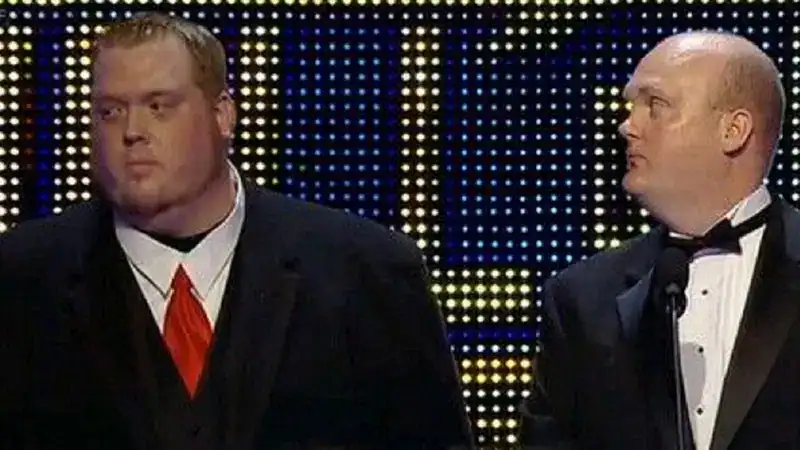
WrestleMania 41 approaches but the tragic loss of DJ Pringle hits hard
3 months, 3 weeks ago
The tragic loss of Jordan Saint hits the indie scene hard
1 month ago