The Death of Zack Ryder
When WWE finally cut the cord on the Zack Ryder character, the industry expectation was predictable. We had seen the script dozens of times.
A released midcarder hits the independent circuit, trades on their television exposure for a year, and slowly fades into the background noise of autograph signings and regional convention halls. They keep the same gear, the same moveset, and the same presentation.
Matt Cardona refused to play that game.
Instead, he orchestrated the most effective career rehabilitation in modern professional wrestling. And according to the man himself, it all traces back to a single, chaotic night involving light tubes, a pizza cutter, and Nick Gage.
Reflecting on his journey, Cardona admitted recently, "I don’t think I’d be back in WWE if it wasn’t for" that GCW death match.
He isn't wrong. The pivot was a masterclass in reading a room and actively deciding to set it on fire.
Understanding the GCW Pivot
To grasp why the GCW run worked so well, you have to look at the tactical alignment of character and audience.
Game Changer Wrestling had built its entire identity as the gritty, blood-soaked alternative to sanitized corporate wrestling. It was the promotion of the outcast. Nick Gage was their folk hero, a genuinely terrifying brawler who felt completely authentic.
Cardona walked into that environment dressed like he was ready to film a promotional spot for a streaming network. He leaned into every corporate wrestling trope available.
He demanded clean rings. He brought his own security. He wrestled in pristine white gear, a deliberate choice meant to showcase exactly how much he didn't belong in a death match.
He even came out to a knock-off version of a generic radio rock song. He was the quintessential sports entertainer invading a space that despised everything that term represented.
The Night Everything Changed
The match against Nick Gage at GCW Homecoming remains a fascinating case study in match layout and audience manipulation.
Cardona didn't just show up to take a few bumps and collect a payday. He committed entirely to the bit, absorbing a sickening amount of punishment.
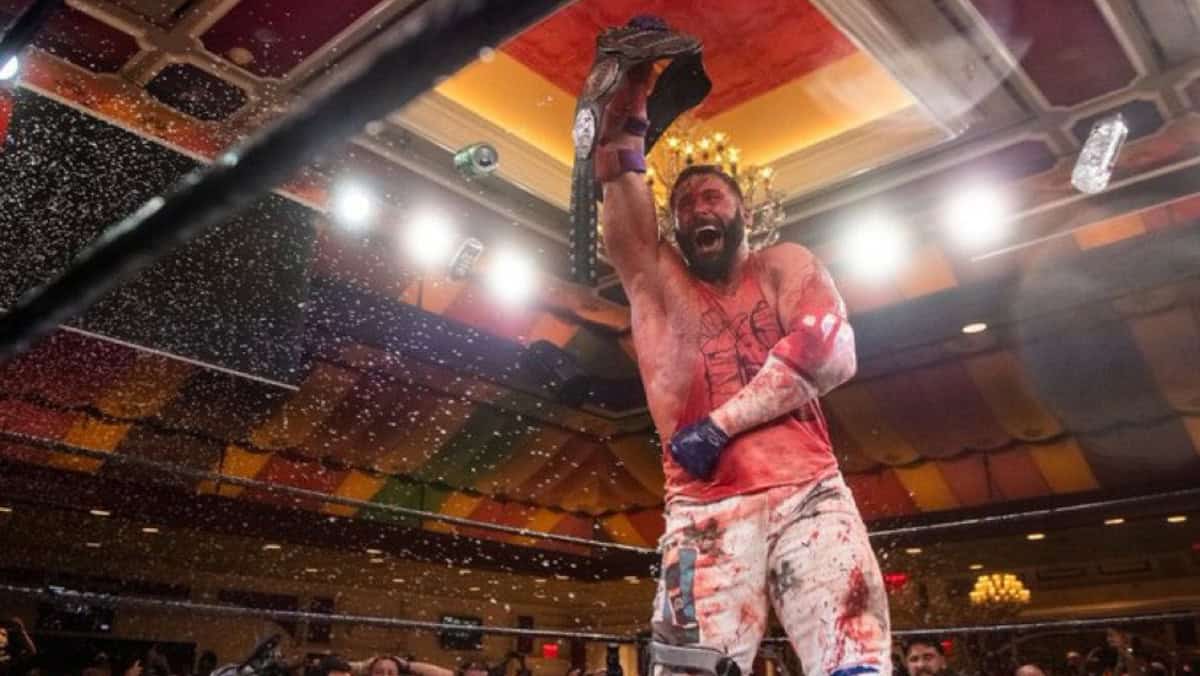
Gage carved him up with a pizza cutter. Cardona was sent crashing through a pane of glass. He bled profusely, his white gear stained crimson within minutes.
Taking a pane of glass to the back isn't a traditional path to getting a WWE contract renewed. But in that moment, Cardona shattered the perception of who he was. He proved he wasn't just a comedy act who got over on YouTube a decade earlier.
He showed a level of grit and adaptability that nobody knew he possessed. When he hit Gage with a Radio Silence onto light tubes and pinned him to win the GCW World Championship, the arena absolutely exploded in genuine, unadulterated hatred.
Garbage filled the ring. Fans legitimately wanted to riot. Bottles, cans, and debris rained down on him. In an era where getting actual heat is incredibly difficult, Cardona had the entire building ready to jump the guardrail.
The Blueprint for Reinvention
That title win wasn't the climax. It was the inciting incident. What followed was a multi-year run where Cardona effectively hacked the independent wrestling system.
He didn't just stay in GCW. He took his act on the road. He marched into the National Wrestling Alliance, a promotion steeped in tradition, and immediately disrespected its legacy.
When he defeated Trevor Murdoch for the NWA Worlds Heavyweight Championship, he didn't treat it with reverence. He carried the legendary Ten Pounds of Gold around like a prop, constantly threatening to redesign it to look more like a spinner belt.
He held the NWA title for 119 days, using every single day to irritate older wrestling purists.
He aligned himself with Steph De Lander, creating a highly effective, deeply annoying heel duo that terrorized promotions from Australia to the United Kingdom.
He started collecting championships across various promotions. IMPACT Wrestling. Premier Streaming Network. WSX. He carried around seven different championships at his peak, presenting himself as the most important free agent on the planet.
Tactical Evolution in the Ring
What gets lost in the conversation about his character work is how Cardona adjusted his physical in-ring style during this period.
In WWE, his moveset was entirely dependent on crowd participation. The Broski Boot was a setup spot that required the audience to chant along. The Rough Ryder was an explosive finisher, but it lacked viciousness.
On the independents, Cardona slowed his pacing down significantly. He stopped working for pops and started working for heat. He utilized classic, grinding heel offense.
He incorporated more stalling, more eye rakes, and more methodical joint manipulation. He realized that as a heel, his job wasn't to impress the crowd with his athleticism. His job was to frustrate them with his cowardice.
He turned the Radio Silence into a sudden, out-of-nowhere strike rather than a telegraphed finish. He started using the Reboot as an insult rather than a crowd-pleaser.
This tactical shift was necessary. If he had wrestled the exact same high-energy babyface style while acting like an arrogant heel, the cognitive dissonance would have ruined the presentation. He aligned his mechanics with his character perfectly.
The Creative Chokehold
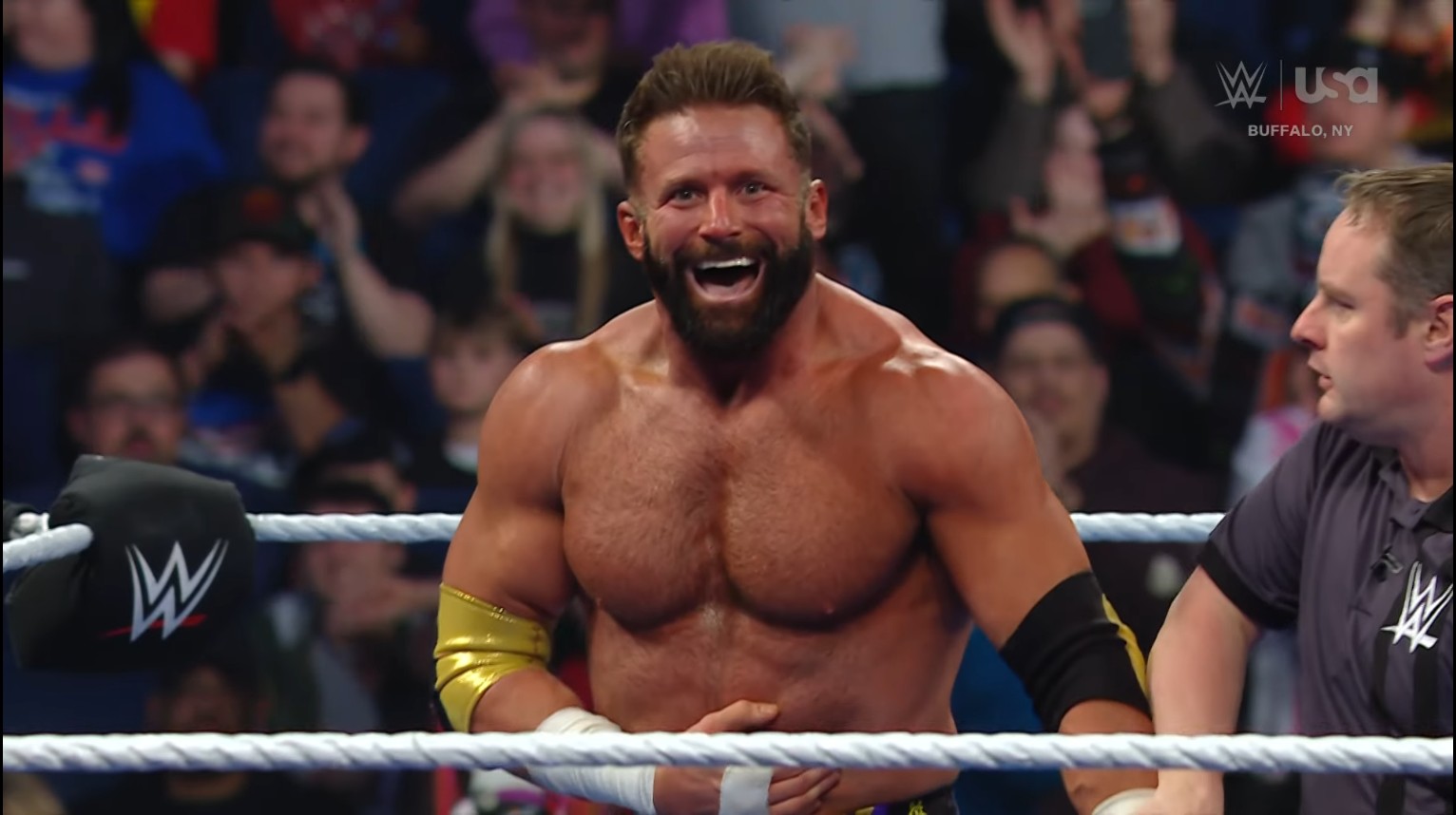
Which brings us to his eventual return to WWE. The company didn't bring him back out of charity. They brought him back because he made it financially irresponsible to ignore him.
But here is where the critical eye needs to focus, and where the reality of the situation gets murky.
Is WWE actually equipped to handle this version of Matt Cardona? History suggests we should be highly skeptical.
The Cardona that conquered the indies was a master of unstructured, chaotic storytelling. He thrived without a script. He excelled when he was allowed to push boundaries, swear on microphones, and blur the lines of reality on social media.
WWE is a tightly controlled corporate machine. They script every promo. They map out every segment down to the minute. The very traits that made Cardona a massive draw on the independent scene are the exact traits that WWE typically suppresses.
A Clash of Styles
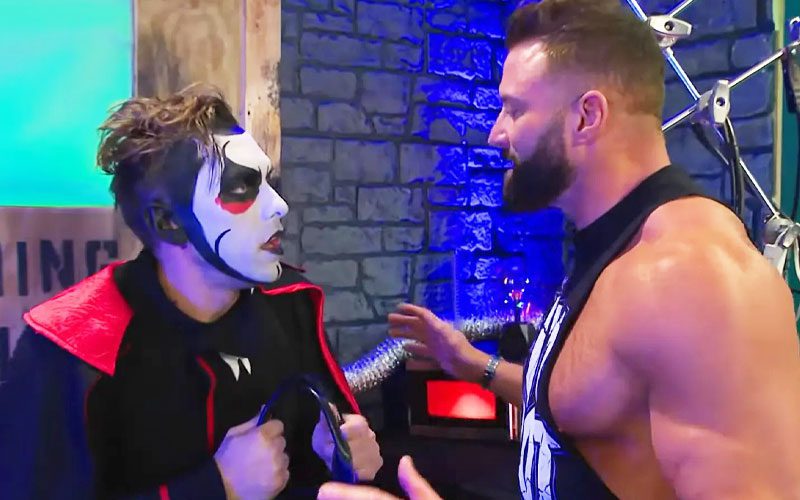
We are already seeing signs of friction in his booking. With WrestleMania 41 less than a month away, WWE needs to figure out exactly what they have in him. Slotted into safe, midcard television matches, he looks contained. He feels like a guy playing a wrestler rather than the untethered maniac who riled up the GCW crowd.
Putting him back into standard midcard feuds feels like a massive regression. It ignores the three years of character development he put himself through.
If WWE just views him as a reliable hand who can get a decent reaction in the middle of a three-hour television broadcast, then they missed the point entirely.
They are buying a customized sports car and using it to pick up groceries.
Cardona needs opponents who can work outside the standard WWE house style. He needs programs with edge. He needs to be allowed to reference his history, his reinvention, and his refusal to quit.
If they strip away the arrogance and the self-awareness that defined his independent run, they are just left with an older version of Zack Ryder.
The Final Verdict
Cardona is correct. That match with Nick Gage changed the trajectory of his life. It was a massive gamble that paid off in ways nobody could have predicted.
He completely rewrote the playbook on how to survive a WWE release. Future generations of wrestlers will study his post-2020 run as the blueprint for career resurrection.
But the hardest part isn't getting back to the big leagues. The hardest part is surviving the system once you return.
Cardona proved he could beat the independent circuit. Now he has to prove he can beat WWE's creative department. And as many talented wrestlers have discovered, that is a much harder fight than anything Nick Gage can throw at you.
I predict he will find a way. You don't survive a pizza cutter to the forehead just to roll over for a writer in a pitch meeting.
Expect him to start pushing back against the scripted constraints soon. If he doesn't, this highly anticipated return will just fizzle out quietly on the pre-show of Backlash in May.