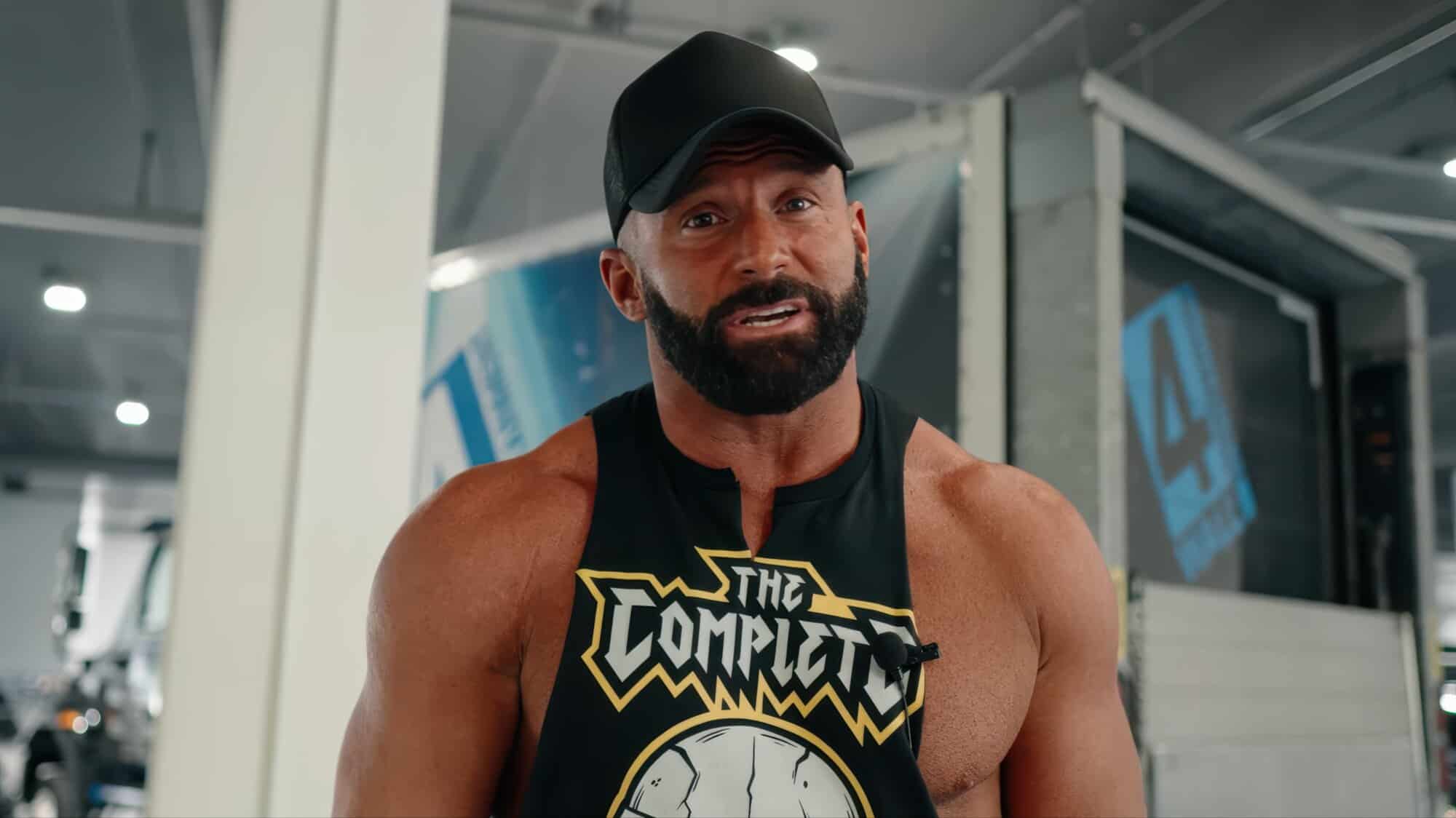
The blueprint for modern independent wrestling
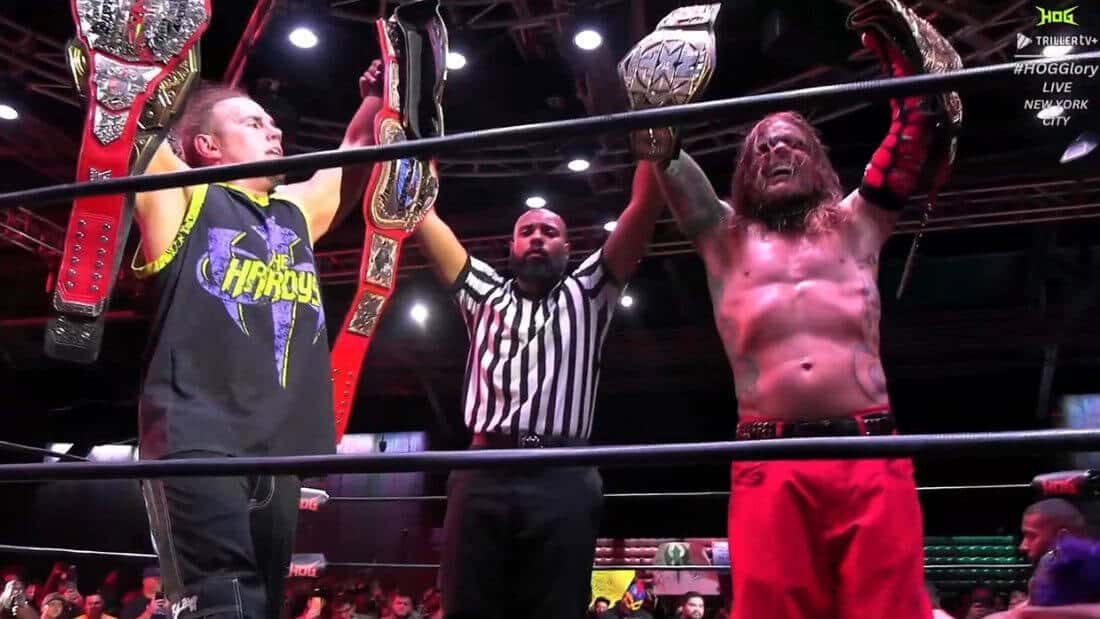
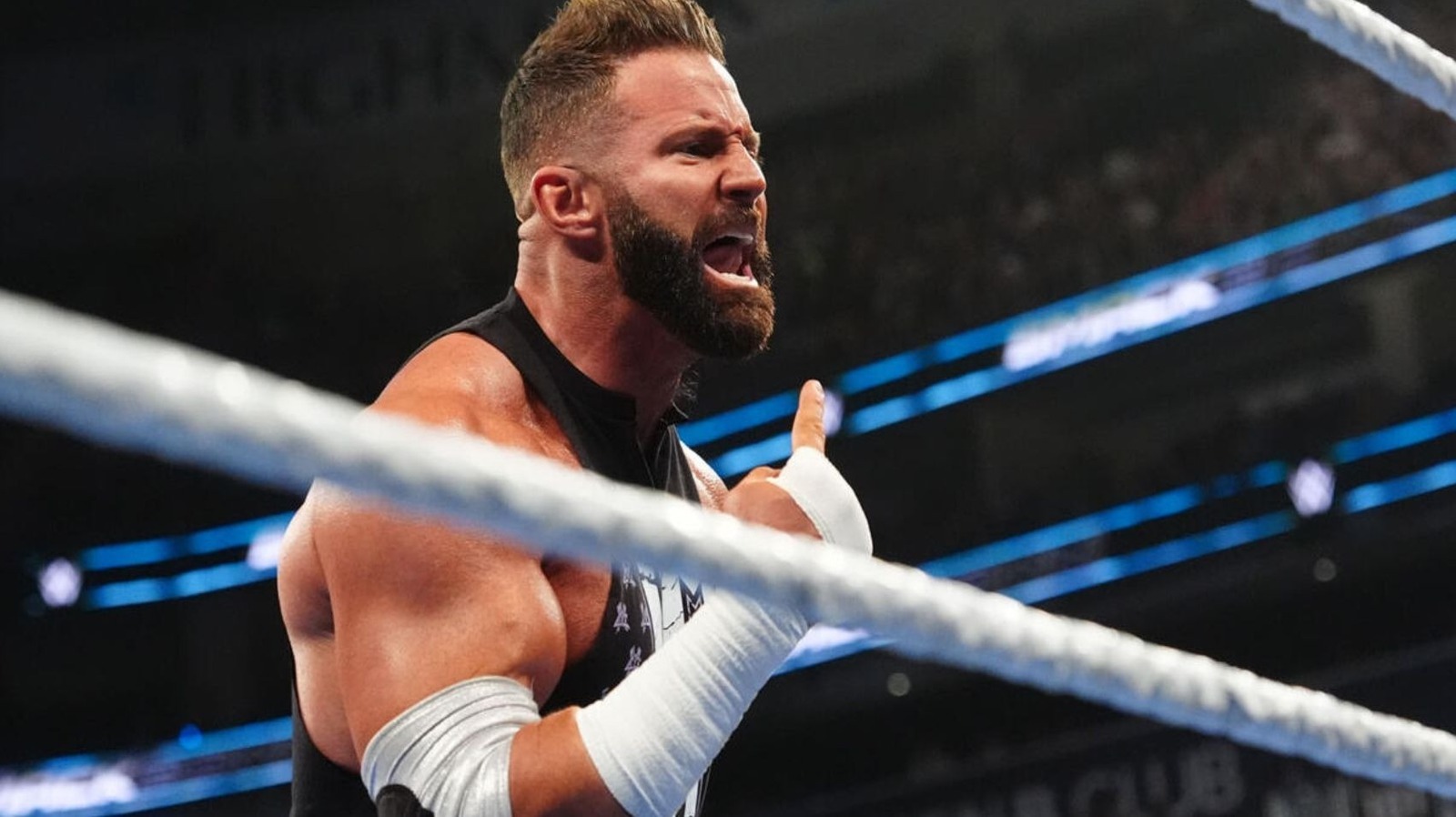
The indie scene has never been more fragmented, yet Matt Cardona has treated the landscape like a laboratory experiment. Since his departure from the big leagues, his output has been more than just a series of bookings; it has been a masterclass in independent promotion and brand equity. Brian Myers, his long-time partner and collaborator, recently went on record stating that the run Cardona has put together should be studied for its sheer audacity and execution.
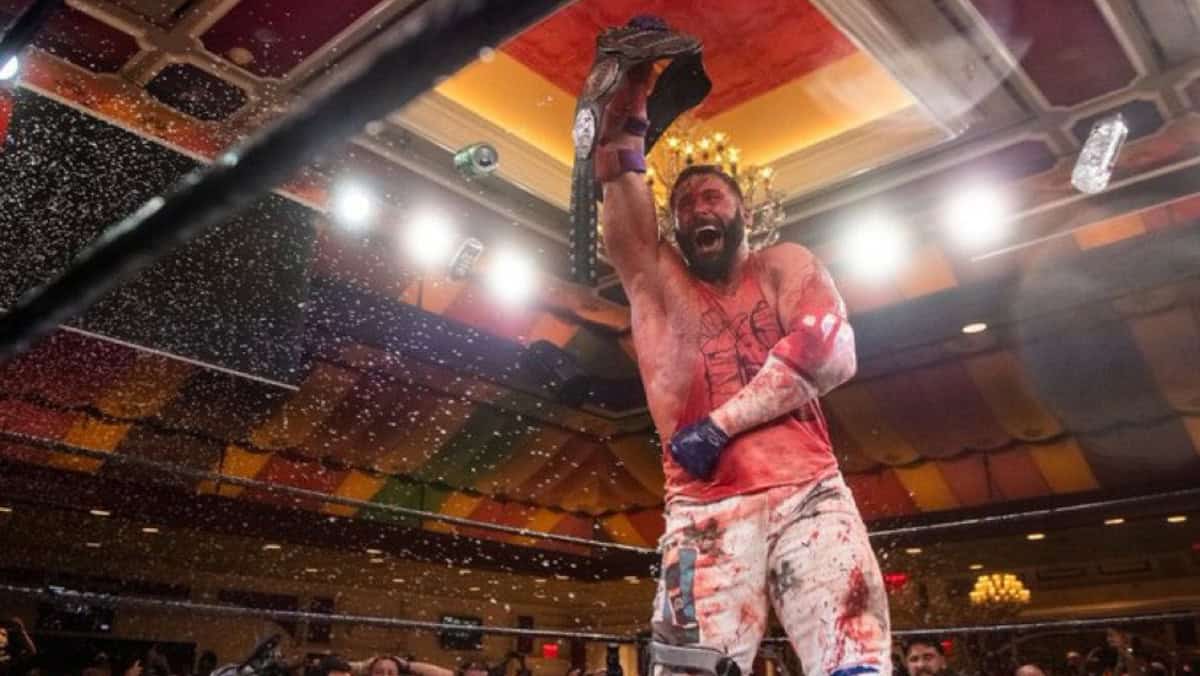
Most departures from a major promotion follow a predictable trajectory: a few high-profile matches followed by a slow slide into obscurity as the initial buzz fades. Cardona inverted this. He became the central antagonist of the independent scene by essentially playing the part of the entitled former WWE star that the hardcore crowds love to despise. It is a meta-narrative that drives engagement, pushes merchandise, and creates a sense of occasion for every bell-to-bell performance.
The strategic necessity of a return
While the independent grind has provided Cardona with autonomy, there is a clear ceiling on the ROI of such a run. WWE is currently in a phase where they value talent that can handle their own marketing and understand the mechanics of character building without constant creative guidance. The current roster could benefit from someone who has spent the last years refining a heel persona in intimate venues where if you do not get a reaction, you do not get paid.
However, the skepticism remains valid. Bringing Cardona back requires more than a nostalgia pop. If he returns to the same spot on the card he occupied before 2020, the entire exercise of his independent work loses its luster. The booking must leverage his status as an outsider who 'conquered' the independents, turning his absence into the primary narrative hook for his resurgence.
Predicting the inevitable
I expect to see Cardona back in a WWE ring before the start of the 2027 calendar year. The company is actively courting veteran performers to bolster the mid-card while simultaneously providing mentorship to the newer talent pool. Much like how John Cena recently sought to share his experience at the Black and Brave Academy, the industry is leaning heavily into the value of technical and psychological seasoning.
The risk here lies in the dilution of his brand. If he enters the fold as a standard babyface or a generic mid-card filler, he will be buried under the weight of a roster that is already stacked with talent seeking screen time. For this to work, he needs to retain the 'Deathmatch King' edge he curated during his time away. If he presents himself as the guy who had to do the hard work elsewhere to prove the company wrong, he has a shot at a legitimate main event run.
My prediction holds that a return is not only likely but imminent. WWE's recent appetite for 'must-watch' surprises suggests they are looking for ways to reintroduce established names who have evolved their craft beyond the traditional corporate constraints. Cardona represents the perfect candidate for that shift: a talent who took a risk, succeeded, and is now too visible to ignore any longer.