The Big Picture
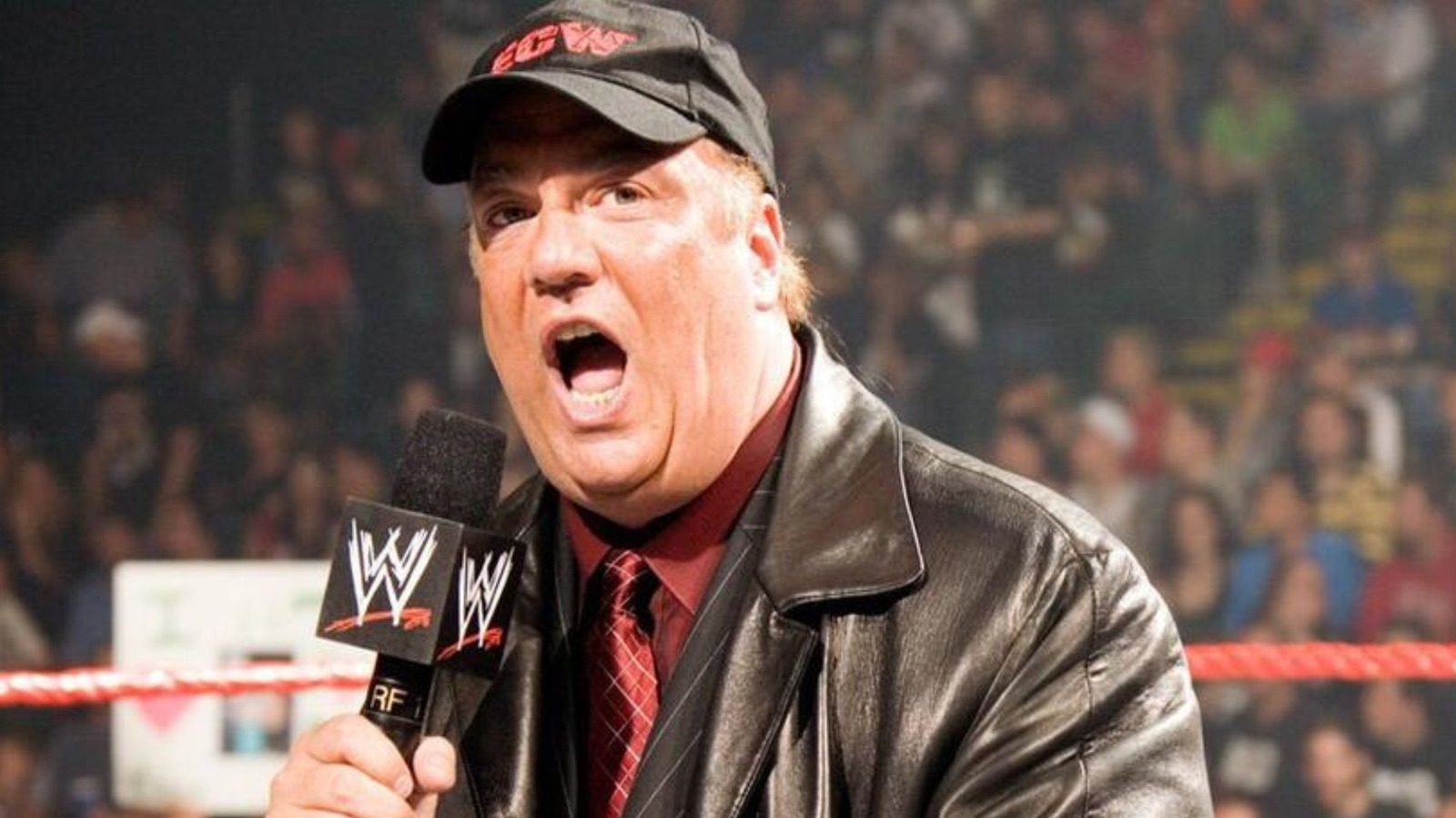
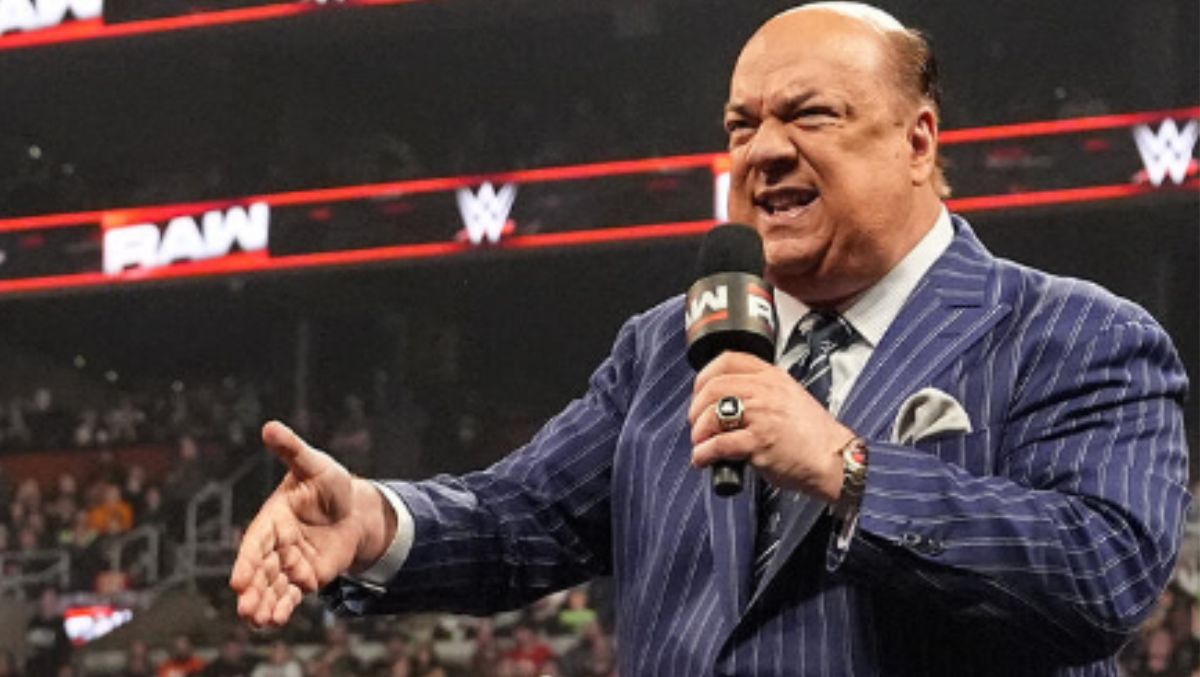
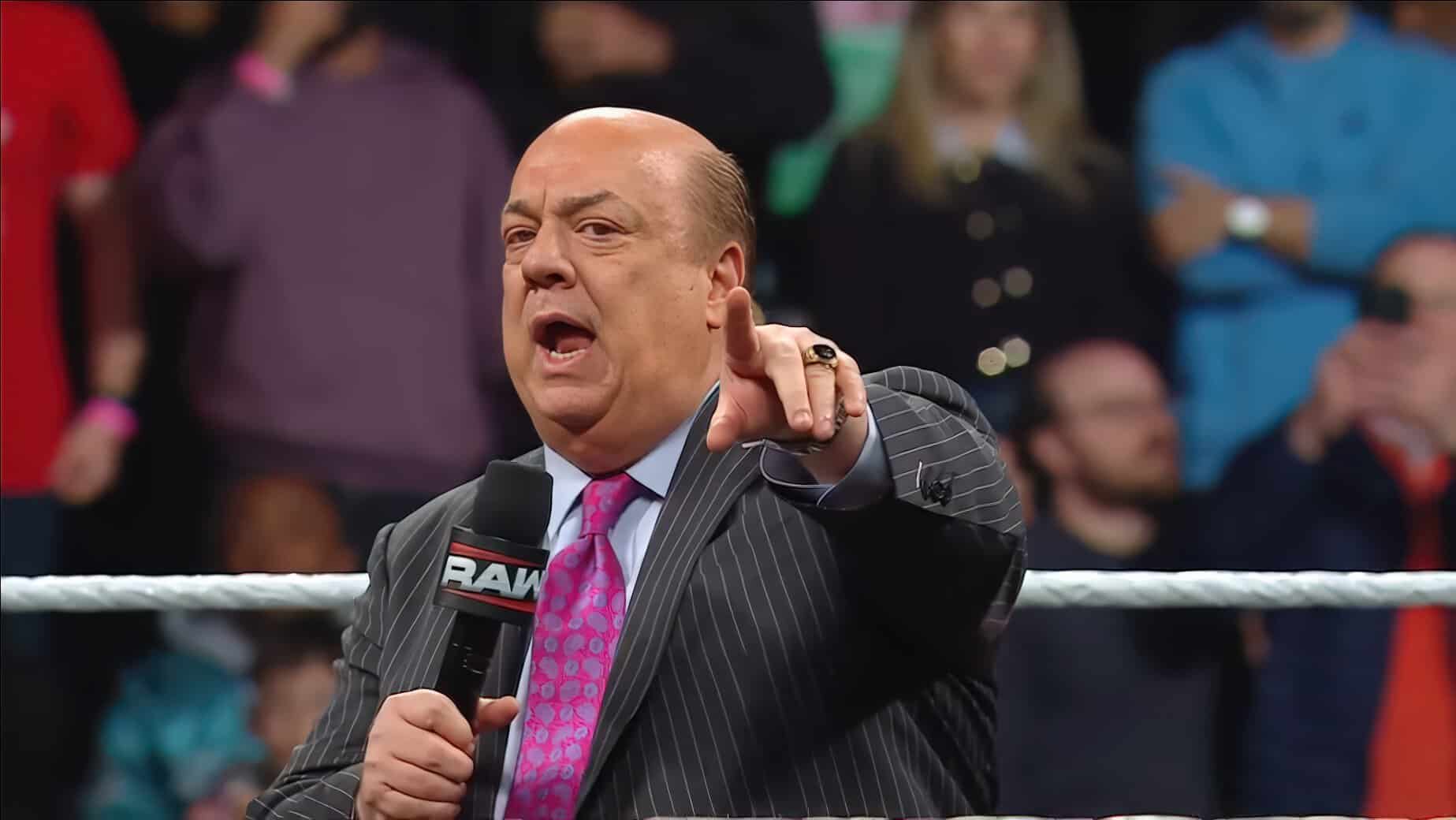
Paul Heyman is not a man who holds his tongue. He recently confirmed what wrestling fans have known for a decade and a half. WWE’s sanitized, corporate version of ECW was, in his exact words, an “absolutely abhorrent miserable experience.” He is right to be bitter.
What started in the summer of 2006 as a genuine attempt to revive the most rebellious brand in wrestling history quickly mutated. It became a Tuesday night graveyard. It was a battleground where Heyman’s gritty vision constantly clashed with Vince McMahon’s obsession with sports entertainment. The Syfy network demanded weird science fiction crossovers. McMahon demanded big men and clean finishes. The fans just wanted the violence and workrate they were originally promised.
Nobody got what they wanted. The brand limped along until 2010, leaving behind a trail of bizarre booking decisions and ruined potential. Let’s look at the top ten moments that prove exactly why Heyman walked away from his own creation.
10. Ezekiel Jackson Closes the Doors
The final episode of WWE ECW aired in early 2010. It did not end with a flaming table or a classic technical clinic. It ended with Ezekiel Jackson defeating Christian for the ECW Championship.
Jackson was the antithesis of everything the original promotion stood for. He was a massive, plodding bodybuilder pushed entirely based on his aesthetics. He won the title on the final broadcast and held it for exactly three minutes before the brand was retired forever. It was a depressing whimper. The belt that Sabu, Terry Funk, and Shane Douglas bled for was deactivated as a prop to put over a guy who barely knew how to run the ropes.
9. The Extreme Exposé
When the Syfy network picked up the broadcasting rights, their executives made strange demands. They wanted sex appeal to target a younger male demographic. WWE responded by creating the Extreme Exposé.
Every Tuesday night, Kelly Kelly, Layla, and Brooke Adams would dance in the ring to generic pop music. It completely killed the pacing of a one-hour wrestling show. Fans in the arenas loudly rejected it. It felt like a forced, lazy throwback to the Attitude Era. It was completely disconnected from the gritty, alternative identity that ECW was supposed to represent. It was wasted television time that should have gone to the undercard.
8. Christian’s Secret Masterpieces
Not everything about the WWECW era was terrible, but the good stuff was entirely ignored by the rest of the company. Christian returned to WWE in 2009 and essentially carried the Tuesday night show on his back.
He put on incredible, psychological matches with Shelton Benjamin, Zack Ryder, and William Regal. The problem was that nobody on Raw or SmackDown ever acknowledged it. Christian was doing the best work of his career in a total vacuum. It highlighted the brand’s fatal flaw. WWE viewed ECW purely as a developmental territory, not a legitimate third brand worth integrating into major pay-per-views.
7. CM Punk Loses to a Chokeslam
CM Punk was the single greatest success story of the WWECW experiment. He connected instantly with the audience and felt like an authentic alternative star. He won the ECW Championship and gave the brand some desperately needed credibility.
So how did his title reign end? He lost it to Chavo Guerrero in early 2008 after Edge ran in and hit Punk with a spear. Guerrero was a solid worker, but putting the belt on a SmackDown midcarder just to serve Edge's storyline was a slap in the face. It made the entire ECW roster look inferior to the main roster talent. Punk deserved a cleaner exit from the brand he helped carry.
6. The Zombie Debut
If you want to pinpoint the exact second the original extreme dream died, look no further than the premiere episode on Syfy. The Sandman made his iconic entrance through the crowd. His opponent was a literal monster.
Tim Arson walked to the ring groaning and covered in cheap Halloween makeup. He was officially billed as 'The Zombie'. This was a direct mandate from network executives who wanted science fiction elements on their wrestling show. Sandman caned him into oblivion in seconds, but the damage was permanent. The creative compromise was glaringly obvious from night one, alienating the hardcore base immediately.
5. Rob Van Dam’s Disastrous Weekend
This entry wasn't entirely a booking failure, but it derailed the entire project immediately. Rob Van Dam was the dual WWE and ECW Champion in the summer of 2006. He was the undisputed face of the revival.
Then he got pulled over in Ohio for drug possession. McMahon’s reaction was swift and merciless. Van Dam was forced to drop the WWE Championship to Edge on Monday Night Raw. The very next night in Philadelphia, he lost the ECW belt to Big Show. Stripping your top star of two world titles in two days completely sucked the wind out of the brand just weeks after its massive launch.
4. The Philly Betrayal
Big Show winning the ECW Championship from RVD happened in Philadelphia. It was the absolute worst possible city for that title change. The Hammerstein Ballroom crowd at One Night Stand a month prior had been electric and supportive.
The Philly crowd for this Tuesday night taping was openly hostile. They chanted 'change the channel' and threw trash into the ring as Big Show celebrated. Paul Heyman had to stand at ringside and watch the fans who built his original company violently reject the corporate, sanitized version. The disconnect between management and the audience had never been louder or more toxic.
3. Sabu Replaced by Hardcore Holly
December to Dismember is an infamous pay-per-view, but this specific detail stings the hardest. Sabu was heavily promoted for the Extreme Elimination Chamber main event. He was an ECW original and a guaranteed pop from the paying crowd.
McMahon decided to pull him from the match on the afternoon of the show. He was written out with a backstage attack angle. His replacement was Hardcore Holly. Holly was a notoriously stiff WWE loyalist with zero connection to the extreme roots of the brand. It was a blatant, petty message to Heyman about who was actually calling the shots behind the curtain.
2. Durag Vince Wins the Gold
If putting the title on Big Show was a mistake, putting it on the boss was a tragedy. Vince McMahon was embroiled in a massive feud with Bobby Lashley. To get heat, McMahon booked himself in a handicap match and pinned Lashley to win the ECW Championship.
McMahon started wearing a durag on television. He paraded the title around Raw as a joke. It was a complete mockery of the championship's lineage. McMahon essentially booked himself to conquer the renegade brand. He turned a respected, blood-stained championship into a cheap prop for his own cartoonish heel persona.
1. The December to Dismember Chamber
This is the match that finally broke the Mad Scientist. The Extreme Elimination Chamber in December 2006 was supposed to be a showcase of old and new talent. Heyman aggressively pitched for CM Punk to eliminate Big Show and win the title.
McMahon refused. He wanted Bobby Lashley to win. McMahon got his way, and the match was an unmitigated disaster. The weapons were barely used. Punk was eliminated early to a chorus of boos. The crowd in Augusta, Georgia sat in dead silence for the final twenty minutes. Lashley won by hitting a standard spear. It was a catastrophic failure of basic wrestling psychology. Heyman walked out of the building after the show and quit the company.
Honorable Mentions
The misery wasn't limited to the top ten. Kevin Thorn and Ariel spent months trying to make vampire gimmicks work in a wrestling ring. The Boogeyman was drafted to the brand strictly to eat worms and waste time. Matt Hardy had a blink-and-you-miss-it title reign that accomplished absolutely nothing.
The WWECW era is a masterclass in how not to revive a beloved property. You cannot take a counter-culture product and force it through a corporate filter. Heyman knew it, the fans knew it, and now, we can all agree to leave it in the past.