The Netflix Rumour Mill Hits a Wall
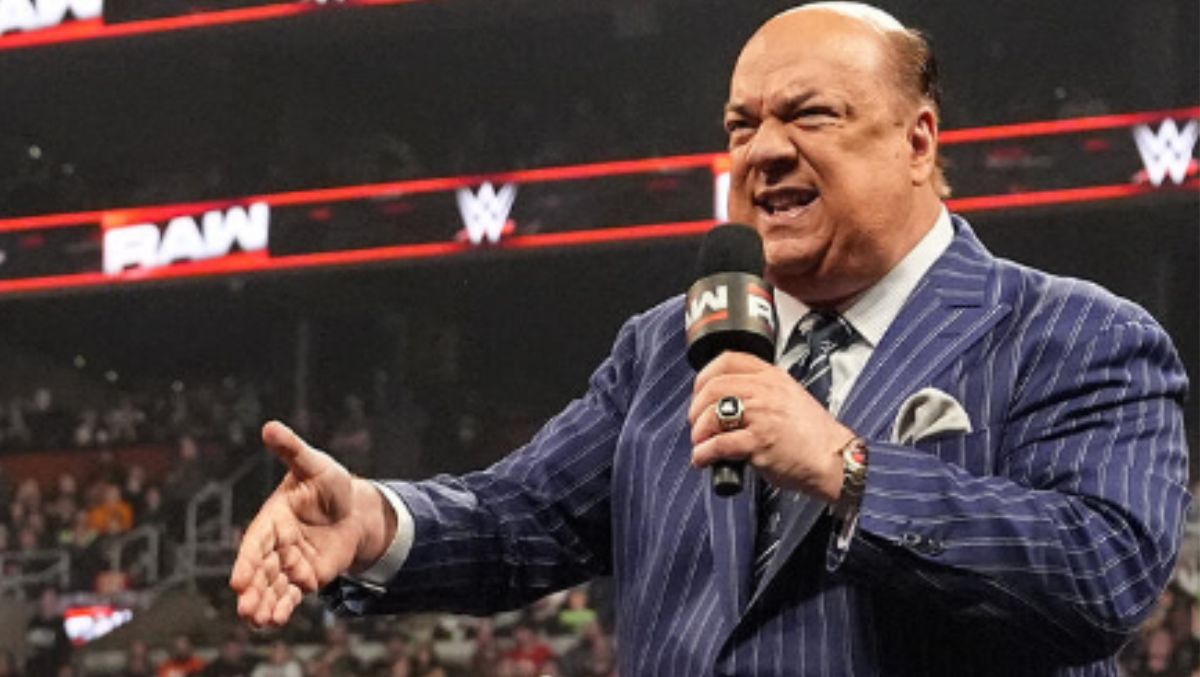
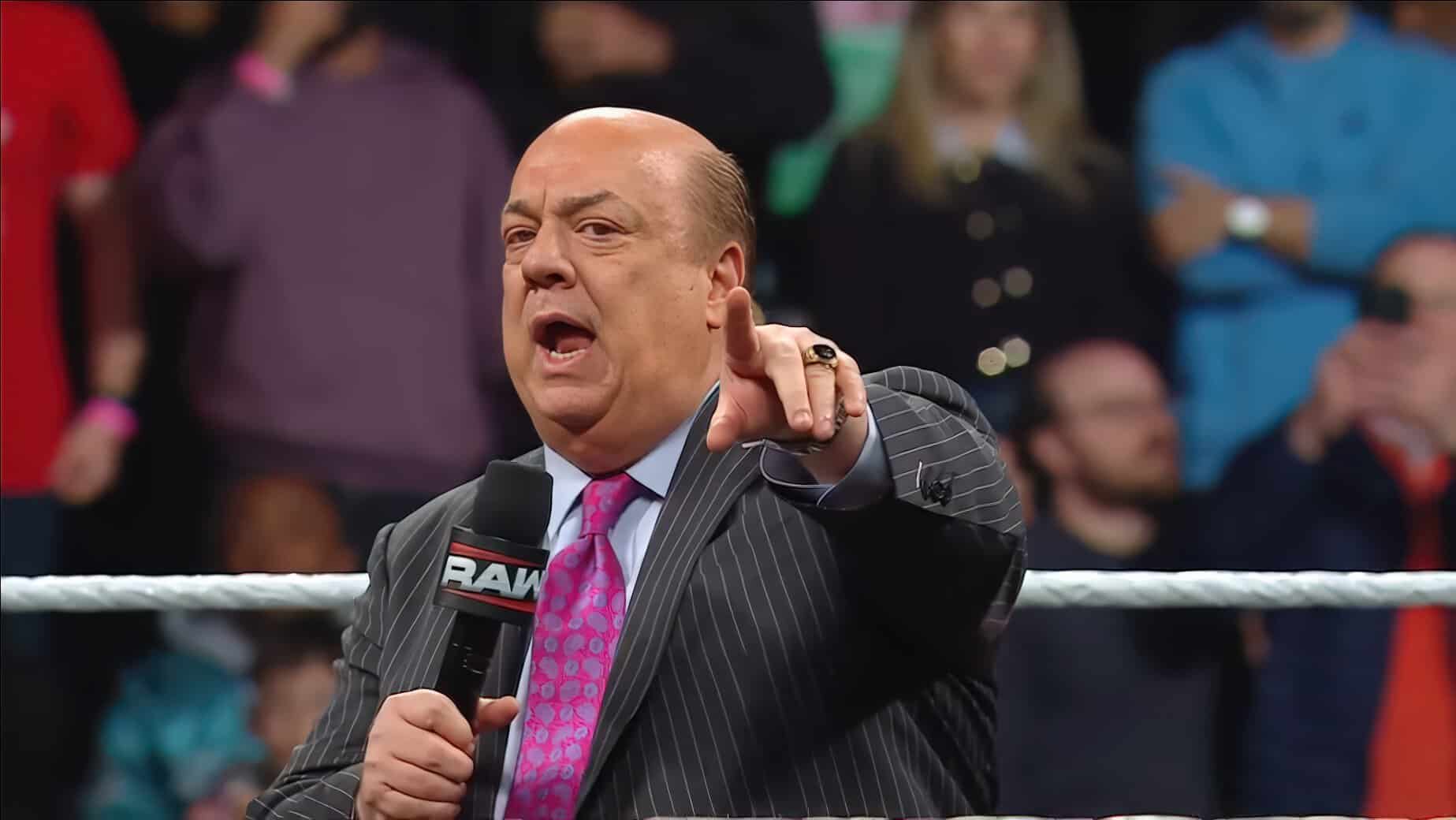
Wrestling fans love to fantasy book. Ever since WWE fully transitioned its flagship programming to Netflix earlier this year, the internet has been buzzing with a relentless theory. The rumour suggests WWE is actively developing a new, edgier third brand to fully utilize the uncensored nature of the streaming platform. Naturally, fans immediately pointed to Paul Heyman as the logical choice to spearhead this hypothetical project.
He is the mad scientist of extreme wrestling. He is the man who built the original Philadelphia phenomenon out of blood, sweat, and stolen music rights. If WWE wanted to create a grimy, adult-oriented alternative to Raw and SmackDown, giving Heyman the keys to the kingdom seems like the ultimate no-brainer.
But those holding out hope for a Heyman-led creative revolution just got a massive dose of cold water. Speaking openly about his past experiences with WrestlingNews.co, Heyman didn't mince words regarding his last attempt at running a WWE-backed alternative brand. His brutal honesty should permanently silence the speculation.
"An absolutely abhorrent miserable experience."
That is not the language of a man eager to try again. That is the language of someone who barely survived the corporate meat grinder the first time around. He has zero interest in repeating history.
The Tragedy of the 2006 Revival
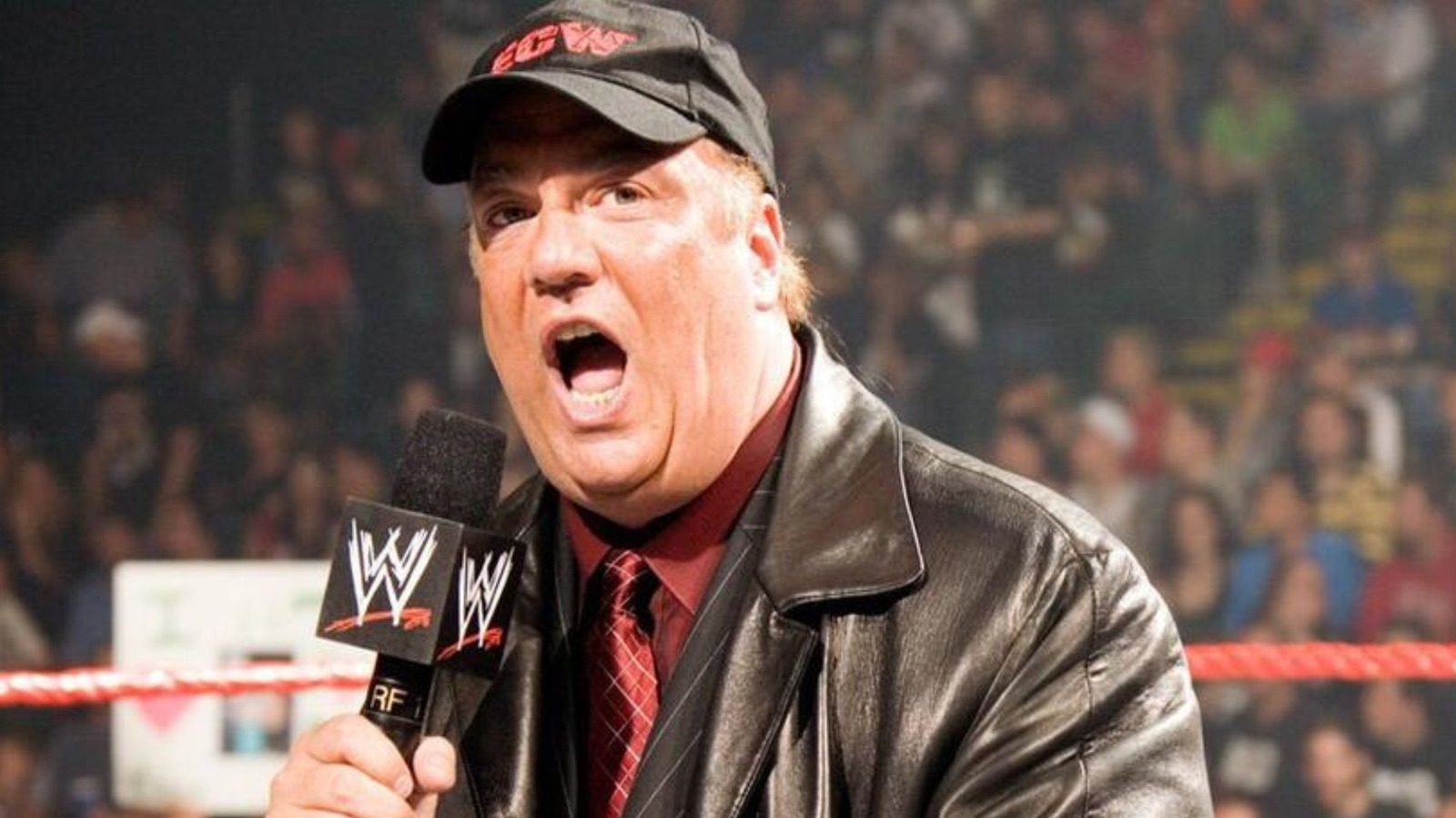
To understand why Heyman is so violently opposed to a repeat performance, you have to look at what actually happened twenty years ago. The tragedy of the 2006 revival is that it followed absolute perfection. One Night Stand 2005 was a masterpiece of wrestling nostalgia. It was a one-off reunion show booked primarily by Heyman, held in the sweaty confines of the Hammerstein Ballroom.
That show felt genuinely dangerous. The Dudley Boyz were setting flaming tables. Mike Awesome was diving out of the ring. JBL was brawling in the balcony with furious fans. That event proved there was still a massive, paying audience for the ECW product.
It drew a massive buyrate and convinced the brass to bring the brand back full-time. But a weekly show on cable television is an entirely different beast than a one-off nostalgia trip. When the brand officially launched as a third pillar alongside Raw and SmackDown, the roster was immediately diluted by corporate mandates.
Instead of the underground fight club vibe, it looked exactly like an episode of Raw. It just had darker lighting and a different ring skirt. The gritty authenticity was instantly replaced by slick, overproduced sports entertainment.
A Clash of Creative Visions
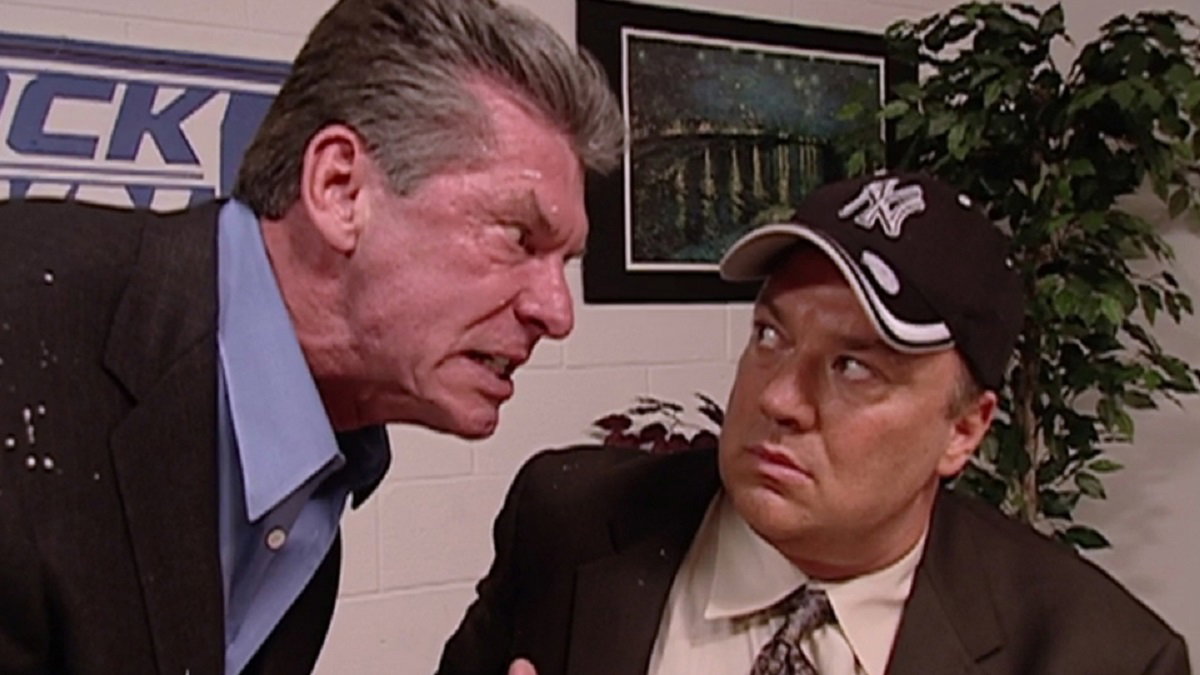
Heyman wanted a promotion built around young, hungry talent like CM Punk. He envisioned a realistic wrestling program that felt entirely distinct from the main roster. Vince McMahon wanted a third touring brand to generate extra revenue. He heavily featured established stars who had absolutely nothing to do with the original extreme ethos.
The result was a bastardized television show airing on the Sci-Fi network. Instead of gang wars and technical masterclasses, fans were treated to a literal zombie getting hit with a cane by The Sandman in the debut episode. We saw Kevin Thorn playing a vampire. We saw Matt Striker doing classroom gimmicks.
None of this was Heyman's vision. He was nominally in charge of booking, but every decision was filtered through McMahon's erratic sensibilities. Heyman was entirely stripped of his greatest asset as a promoter. He lost his autonomy.
The Breaking Point in Augusta
The breaking point for this miserable experiment is well documented. It happened in December 2006 in Augusta, Georgia. The event was December to Dismember, a pay-per-view that remains one of the most creatively bankrupt shows in wrestling history. This is where the criticism of WWE's management must be sharpest.
Heyman walked into that event with a clear, logical plan. He wanted the Extreme Elimination Chamber match to establish CM Punk as the undisputed future of the brand. Punk was white-hot at the time. The fans were begging for him to break out.
McMahon completely disagreed. He saw Bobby Lashley as the star. He mandated that Lashley would win the match and the title. The booking was entirely backwards. Punk was eliminated first, completely deflating the live crowd before the match even got going.
The Extreme Elimination Chamber was supposed to be the great equalizer. WWE hyped it by placing weapons in the pods alongside the wrestlers. Rob Van Dam brought a chair, and Test carried a crowbar. It was a cheap gimmick trying to mask a terrible creative direction.
The fans in Georgia saw right through it. The match dragged on, devoid of drama, ending with Lashley holding the belt to absolute silence. The event drew a catastrophic 55,000 buys on pay-per-view. It was a financial disaster.
Heyman was sent home shortly after the show. He took the public blame for a product he actively tried to fix behind closed doors. You do not forget that kind of corporate betrayal. You do not sign up for round two when the scars from round one are still highly visible.
Why the Current Rumours Fail
This history is exactly why any rumour linking Heyman to a new head booking role is completely dead on arrival. The mechanics of modern WWE are vastly different under Paul Levesque than they were under McMahon. The creative process is undeniably more collaborative. But the corporate structure remains absolute.
If WWE launches an edgy Netflix brand, it will still have strict sponsors to answer to. It will still have massive merchandising mandates. It will still require endless production meetings, script approvals, and corporate integration. Heyman knows exactly what that suffocating environment feels like.
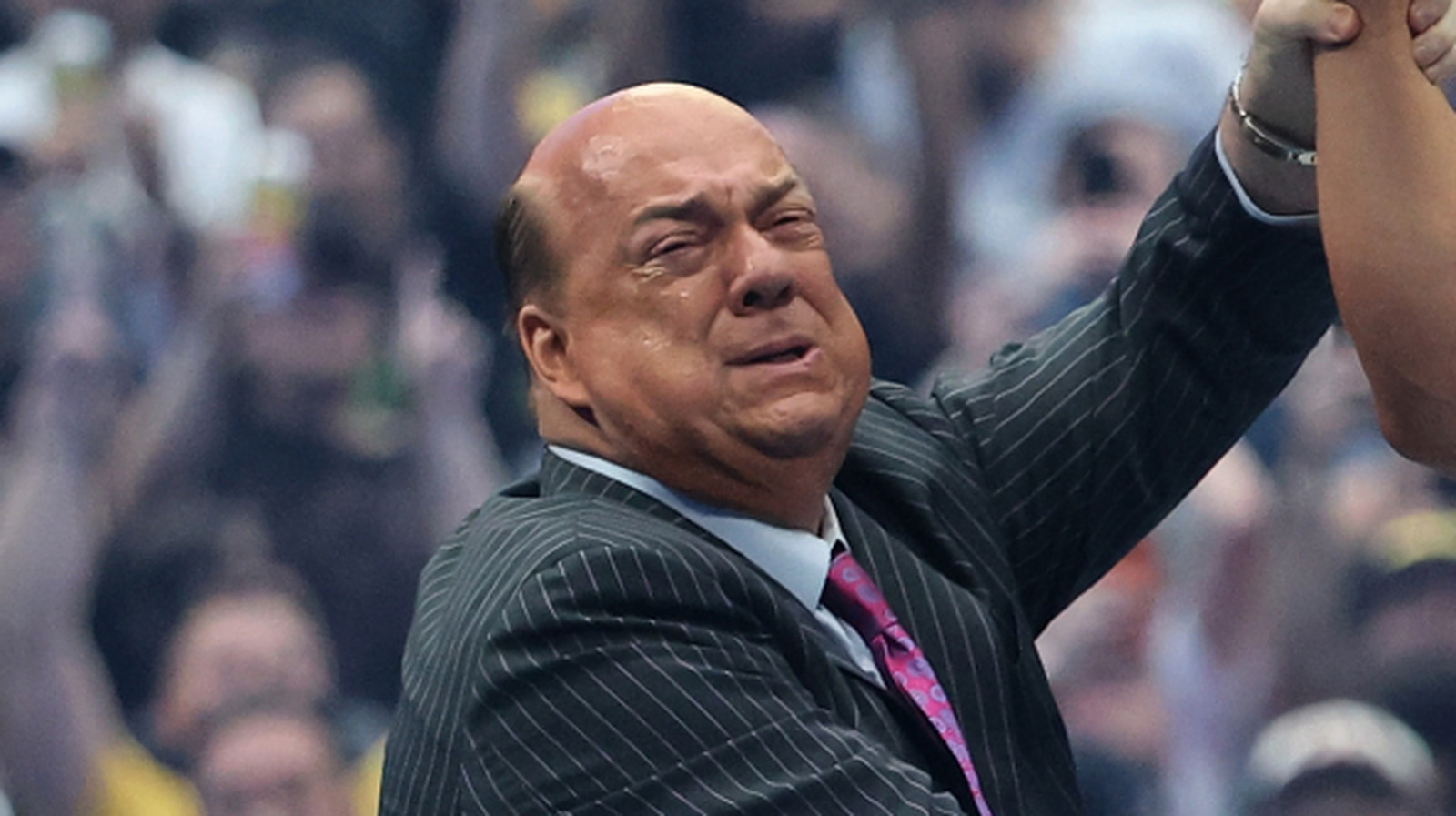
He is currently operating in the best position of his entire career. As the special counsel to Roman Reigns and The Bloodline, he lives in a highly protected bubble. He helps craft the most important storyline in the entire industry. He works directly with the absolute top stars.
Most importantly, he doesn't have to worry about writing the undercard. He never has to fight executives over midcard pushes. Why would he trade that pristine, highly influential advisory role to go back into the trenches of producing weekly television from scratch?
He wouldn't. He has reached the mountaintop of the industry on his own terms. With WrestleMania 41 just 25 days away in Las Vegas, his entire focus is on the main event picture. He does not need the stress of building a brand from the ground up.
The Verdict: Probability and Impact
Rumour Probability: Near Zero
If we are treating the "Heyman runs a new Netflix brand" theory as an active transfer rumour, the probability sits firmly at zero percent. His recent comments are the final, definitive nail in the coffin. He has zero interest in revisiting the structural nightmares of his past. Any reports suggesting he is secretly drawing up plans for a new roster should be treated as pure fantasy.
Expected Timeline and Impact
There will be no debut announcement. There will be no mysterious press conference revealing him as a new general manager. Heyman will continue to excel in his focused role with The Bloodline. The impact of this realization should force wrestling journalists to look elsewhere for potential creative heads.
If WWE does launch a third brand, they will need a younger producer willing to play the corporate game. They will need someone who hasn't already been burned by the machine. Paul Heyman already gave his blood to that cause. He clearly has no intention of opening the wound again.