The Defining Highs and Lows of Modern Professional Wrestling
The history of professional wrestling is written in singular collisions and sudden shifts in corporate strategy. These ten moments represent the points where the business pivoted, regardless of whether the results were resounding successes or cautionary tales.
We define greatness here by cultural impact, in-ring spectacle, and the ability to change the trajectory of an entire promotion. These are the snapshots that fans still debate in forums and arenas globally.
The Ranking: Where History Was Made
- The Montreal Screwjob: This moment remains the gold standard for blending reality with scripted drama. When Vince McMahon ordered the bell rung as Shawn Michaels applied the Sharpshooter in 1997, it created a level of genuine vitriol that professional wrestling hasn't consistently generated since. Bret Hart's departure from the company altered the championship picture for years, cementing the heel persona of the boss.
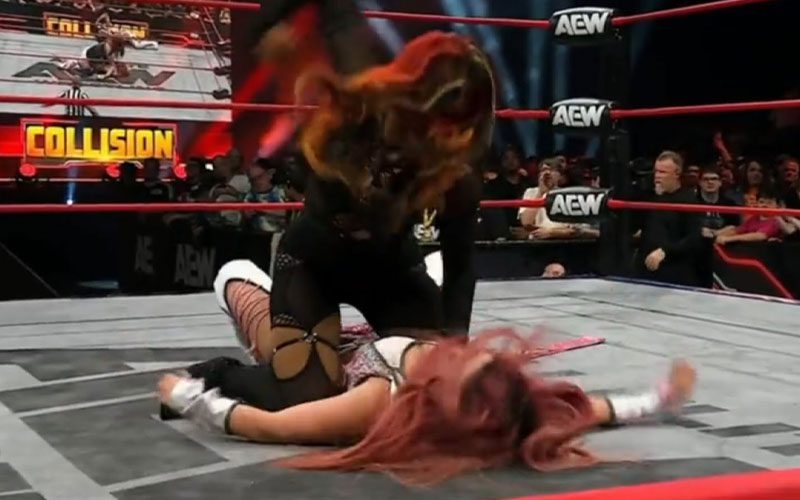
- The debut of AEW: When All Elite Wrestling aired Double or Nothing in 2019, it ended a decade-long monopoly in US wrestling production. The spectacle proved that there was a viable appetite for an alternative product with a different presentation style. It forced WWE to adjust roster retention strategies and wage structures almost overnight.
- Stone Cold Stunner on the Chairperson: Steve Austin hitting Vince McMahon with a Stunner on Monday Night Raw in 1997 launched the most successful rivalry in the promotion's history. This interaction shifted the focus to the authority figure vs. the anti-establishment worker. It was the ignition point for the highest-grossing period for the business.
- CM Punk pipebomb: The unscripted reality of 2011 blurred the lines between performer grievances and storyline progression. Punk attacking the company culture on live television forced a shift in booking philosophy for several months. It remains the most effective use of a live mic in the last twenty years.
- Goldberg ends the streak: Watching Goldberg hit a Spear and a Jackhammer on Kevin Nash to win the WCW title remains a surreal memory. It captured a moment of genuine unscripted fan fervor inside the Georgia Dome. The booking never recovered after he lost the belt, but that night stood as the peak of the WCW boom.
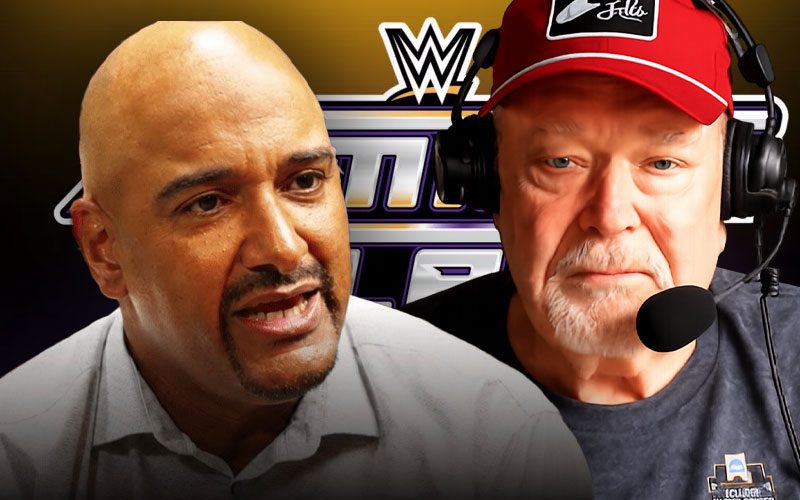
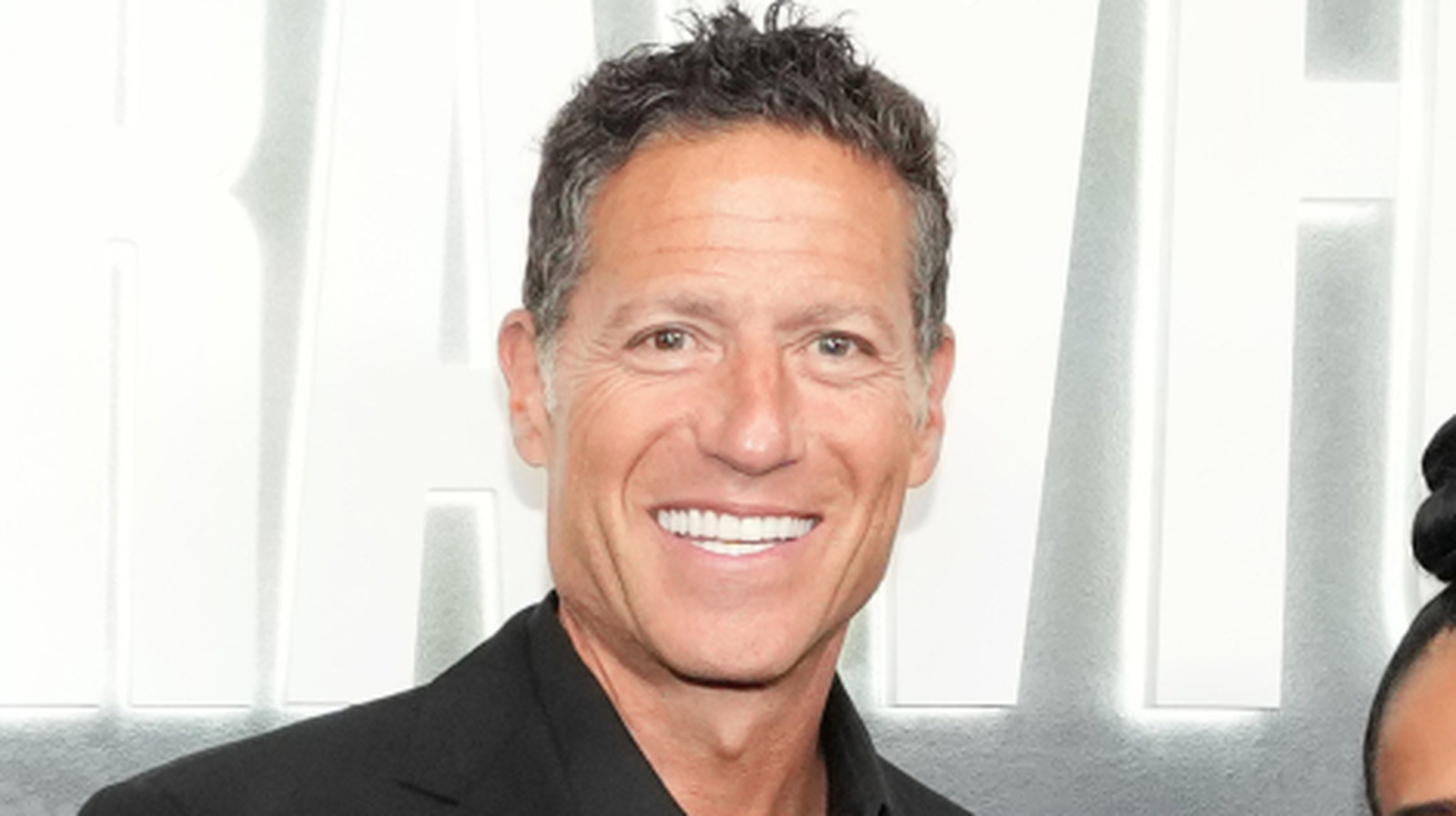
- TKO's Mark Shapiro admits Vegas regret: In a rare piece of executive transparency, TKO's Mark Shapiro recently noted that holding consecutive major events in Las Vegas may have been a mistake. While he cited no regrets, the admission reveals the tightening grip of corporate owners on event geography. It is a critical reminder that decisions are driven by margin, not fan comfort.
- Eddie Guerrero and Chris Benoit: Closing WrestleMania XX with two technicians holding world titles was an anomaly in a business built on giants. It served as a recognition of technical work over pure marketability. While their legacies have since been complicated, that final image remains iconic for the sheer emotion it displayed.
- The Invasion angle misfire: The collapse of WCW should have been a golden era, but the resulting angle was a massive disappointment. Instead of building talent, the booking focused on WWE dominance, rendering the "invaders" as minor threats. It serves as the ultimate example of how ego can neuter a potentially historic narrative.
- Mick Foley wins the title: When Mankind defeated The Rock in 1999, the broadcast rating spike was massive. Fans had never seen a sympathetic underdog portrayed with such success in a top main event position. It proved that "hardcore" performers could carry the company banner.
- The death of the territories: The aggressive expansion strategy in the 1980s destroyed local roots, eventually leading to the national landscape we know now. While this enabled the global scale of the product today, it stripped away the specific cultural identity of regional wrestling. It was a 30-year transition that prioritized market saturation over fan loyalty.
The Big Picture
Corporate expansion and backstage reality are as important to wrestling history as any high-flying maneuver. As seen with recent internal admissions, the business is no longer just about the fight in the ring, but the strategy in the conference room. Fans must discern what is a genuine shift in the business and what is merely a marketing play.
Honorable Mentions
The rise of the independent circuit in the mid-2000s, TNA's move to Monday nights in 2010, and Brock Lesnar breaking the streak at WrestleMania XXX. Each of these moments shifted the conversation, though they ultimately lacked the lasting consequence or the specific structural impact of the top ten.