The Big Picture
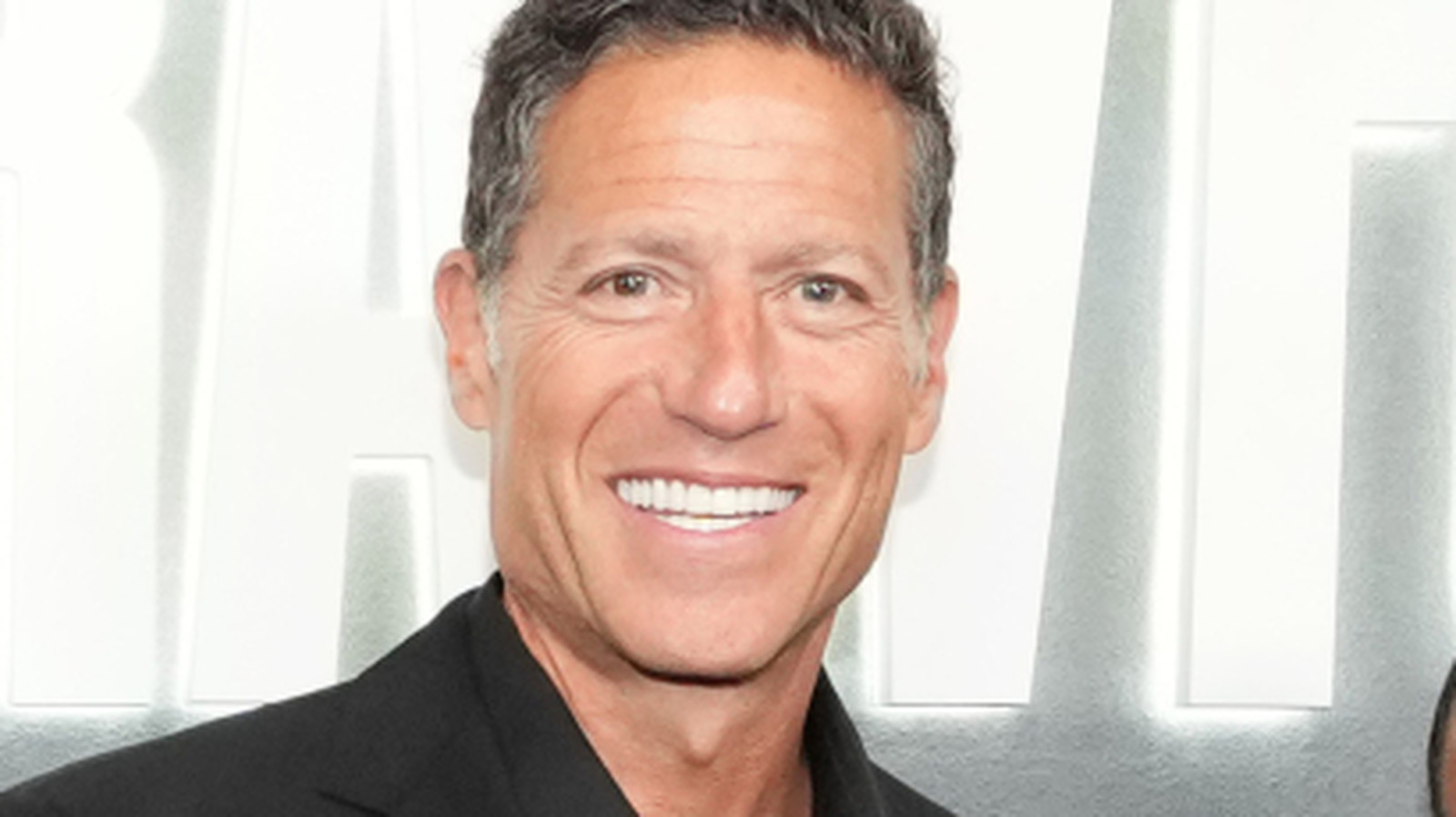
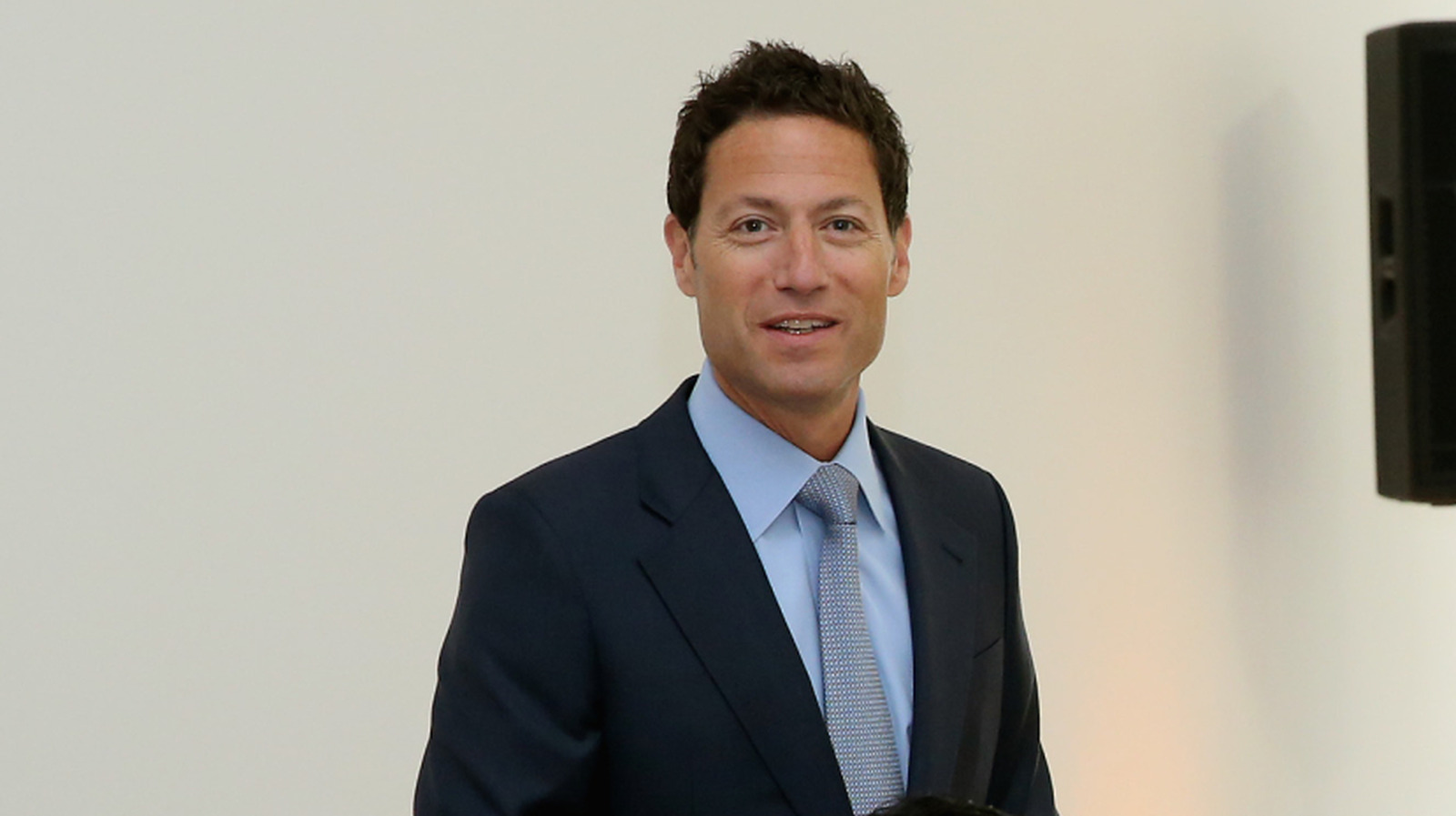
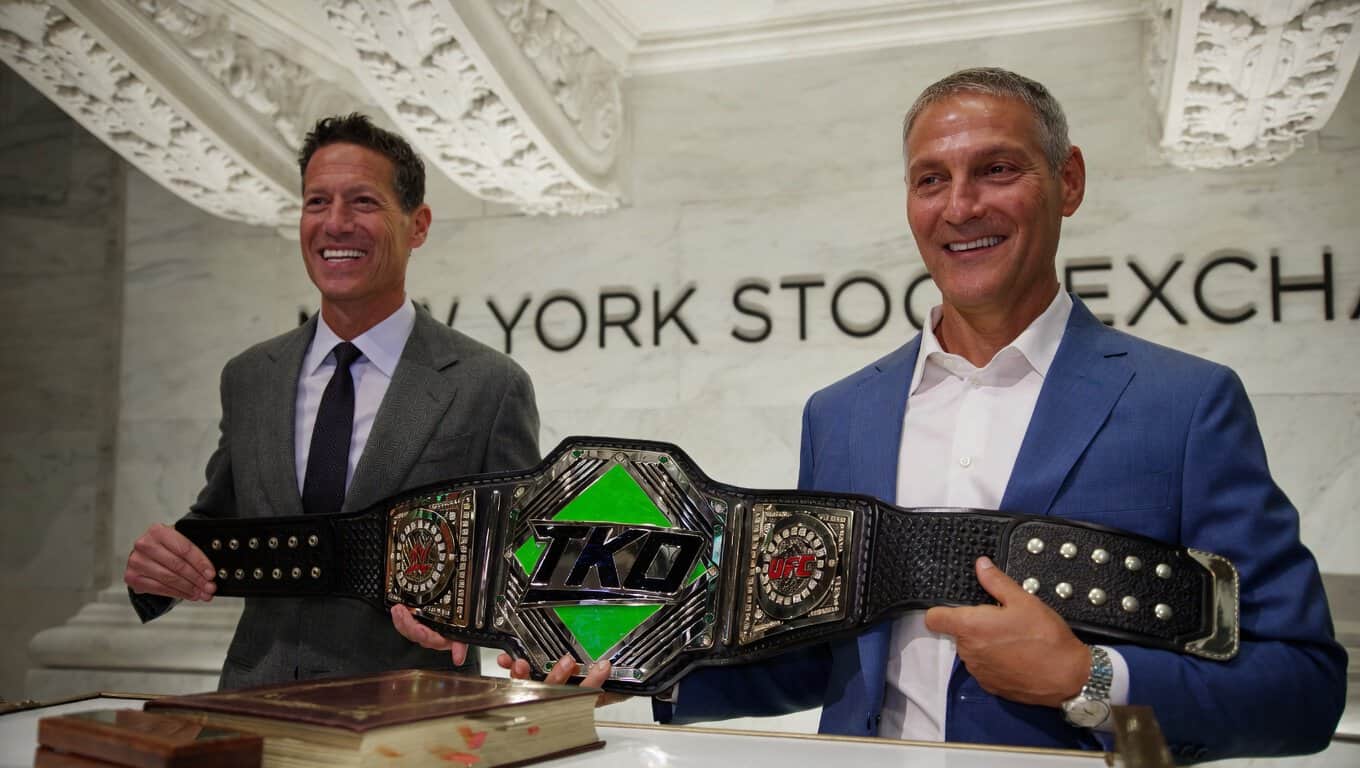
Mark Shapiro is the architect of a WWE that no longer functions like a family-run circus. Since the TKO merger, he has systematically stripped away the eccentricities of the Vince McMahon era, replacing them with cold, calculated corporate efficiency. He is the man who turned the wrestling business into a global media juggernaut that prioritizes balance sheets over booking whims.
10. Acknowledging the Digital Fanbase
Shapiro recently addressed the rising tide of fan pushback, specifically regarding creative directions and the vocal nature of the modern audience. As reported by WrestlingNews.co, he claimed the company does not turn a deaf ear to feedback. This marks a significant shift from the previous regime's tendency to ignore 'Internet fans' entirely. By acknowledging the noise, Shapiro is validating the power of the digital 'mark' in a way we haven't seen before. It is a PR necessity in an age where social media can derail a main event in 48 hours.
9. The Aggressive Ticket Pricing Pivot
If you have looked at the cost of a seat for a Premium Live Event lately, you have seen Shapiro's fingerprints. TKO is leaning into a premium pricing model that treats WWE events like the Super Bowl or a major UFC card. While fans complain about being priced out of the arena, Shapiro remains unmoved by the dip in volume. He is betting that higher yields per seat will outweigh the optics of a few empty sections in the nosebleeds. It is a risky gamble that risks alienating the blue-collar base that built this industry.
8. The Middle East Anchor
Despite geopolitical volatility, Shapiro has doubled down on the company's relationship with Saudi Arabia. As noted by Ringside News, the commitment to these high-value events is not slowing down. These shows represent the single most profitable aspect of the WWE calendar, providing a guaranteed floor of revenue that allows for experimentation elsewhere. Shapiro views these as strategic infrastructure rather than mere wrestling shows. Critics point to the ethical compromises, but the TKO bottom line tells a different story.
7. Addressing the 'Fan Behavior' Problem
The relationship between the talent and the crowd has become increasingly toxic, a topic recently debated by analysts like PWInsider. Shapiro’s administration is dealing with a fan base that is more entitled and more aggressive than ever. There is a growing disconnect between the corporate polish Shapiro demands and the rowdy, unpredictable nature of a live wrestling crowd. Managing this 'behavior' while keeping the product advertiser-friendly is a tightrope walk. Shapiro seems to favor a sanitized environment, even if it kills the organic heat that wrestling thrives on.
6. The Death of the 'Vince' Booking Style
Under Shapiro, the era of the 'writer of one' is over. The booking has become more logical, but also more predictable, leading to questions about whether stars like Kairi Sane are being utilized correctly. As debated by industry veterans, the shift toward long-term planning has eliminated the erratic changes that once defined WWE. This move has stabilized the stock price but arguably removed the chaotic energy that made live television 'must-see.' You no longer get the feeling that anything could happen; you get the feeling that everything is scheduled.
5. The Netflix Media Rights Coup
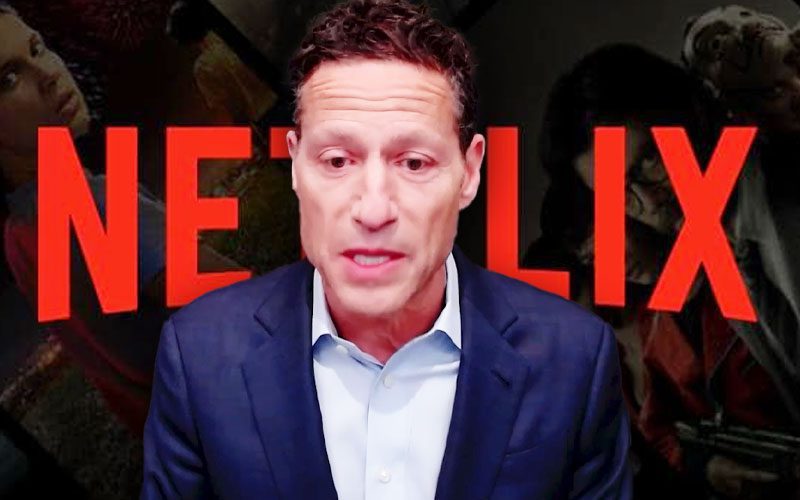
Moving Raw to Netflix was the defining moment of Shapiro's early tenure. It was a 5 billion dollar statement that WWE is no longer a cable television property. Shapiro recognized that the future of the medium is streaming, and he leveraged WWE’s massive library to secure a generational payday. This move effectively ended the 'Monday Night War' era of television ratings obsession. Now, the only metric that matters is subscriber retention and global reach. It is the ultimate corporate security blanket for the next decade.
4. Streamlining the Roster
Shapiro's TKO has been ruthless with talent cuts and administrative layoffs. He doesn't see a locker room; he sees a payroll that needs optimization. The frequent 'budget cut' releases have become a grim reality of the new corporate structure. While it keeps the margins high, it has destroyed the sense of job security that once lured talent to the big leagues. There is a coldness to this approach that makes the company feel less like a wrestling promotion and more like a hedge fund with a ring.
3. The Global Site Fee Strategy
WWE no longer just goes where the fans are; they go where the government subsidies are. Shapiro has perfected the 'site fee' model used by the UFC, making cities bid for the right to host major shows. From London to Lyon, the focus is now on tourism dollars and government checks. This has turned the PLE schedule into a world tour of high-paying municipalities. It is brilliant for the investors, but it makes the domestic American market feel like an afterthought. You want a big show in your town? Pay up or get left behind.
2. The Rock as a Corporate Director
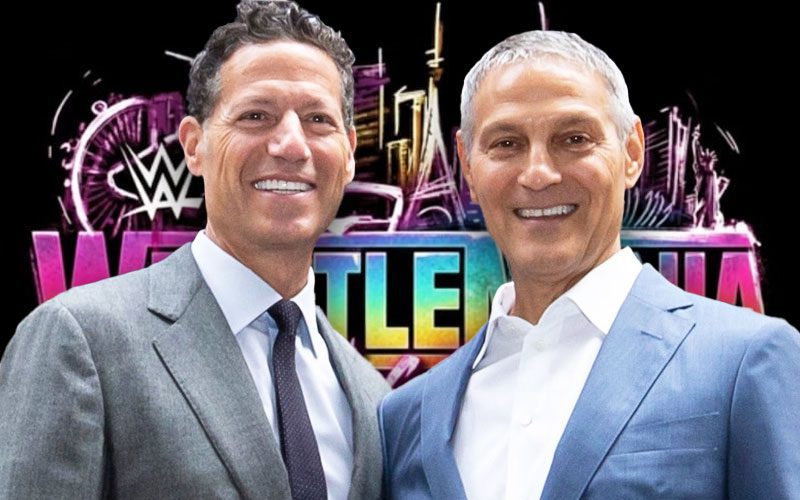
Bringing Dwayne Johnson onto the TKO Board of Directors was a masterstroke of corporate branding. Shapiro understood that having a global icon in the boardroom provides instant credibility with Wall Street. It also blurred the lines between the 'character' and the 'executive' in a way that had fans buzzing for months. This move allowed WWE to navigate the Cody Rhodes/Bloodline saga with a meta-narrative that felt modern. It was the perfect fusion of entertainment and corporate governance that Shapiro loves.
1. The Institutionalization of WWE
The single most important move Shapiro has made is ensuring that WWE can survive without any one individual. He has institutionalized the brand, making it a cog in the TKO machine alongside the UFC. The 'WWE' name is now the star, not any specific wrestler or executive. This has led to record-breaking revenue and a stock price that would have been unthinkable five years ago. However, the cost is a product that sometimes feels manufactured and sterile. Shapiro has won the business war, but the soul of the 'mark' is still up for grabs.
Honorable Mentions
The integration of UFC and WWE sponsorships has been a quiet but massive revenue driver for TKO. The 'unified' sales team has allowed the company to package ads across both platforms, maximizing the value of every commercial break. We should also acknowledge the reduction of the Raw broadcast to two hours in late 2024, a move that prioritized pacing over ad-load. Lastly, the expansion of the developmental system into more international markets shows Shapiro's long-term vision for a global talent pipeline that doesn't rely solely on the American indy scene.