The brutal timing of a brain injury
The worst time to get hurt in the WWE system is late March. We are exactly 21 days away from WrestleMania 41 in Las Vegas. That means the NXT Stand & Deliver card is currently being locked into place by Shawn Michaels and his creative team. Every television minute is meticulously mapped out. Every promo segment is a final audition for a spot in front of that massive stadium weekend crowd. Missing a single week right now is a brutal setback. Missing multiple weeks due to a brain injury is an absolute momentum killer.
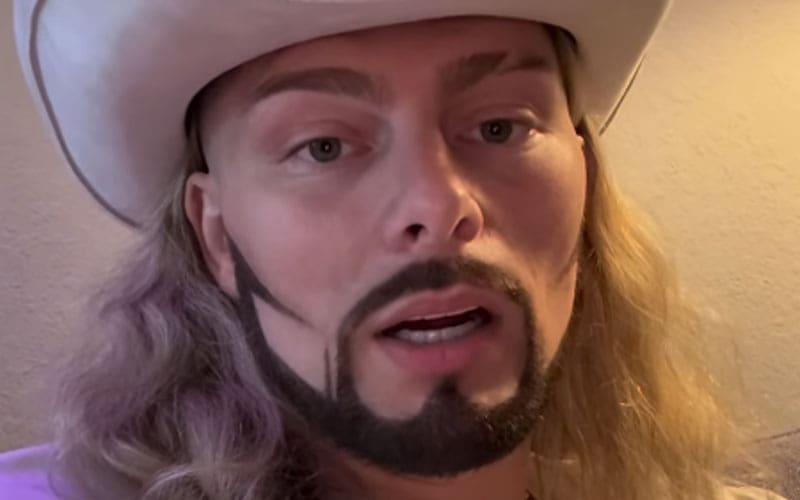
During this week's episode of NXT television, Vic Joseph confirmed on commentary that Lexis King has been sidelined. King suffered a concussion but has successfully passed all medical protocols. He is officially cleared to return to the ring. The medical news is obviously fantastic. Brain injuries are terrifying, especially in a sport where you take flat back bumps for a living. The timing, however, is awful. He lost valuable television time right when the spotlight is the brightest.
Ten years ago, a professional wrestler might have tried to hide this exact injury. They would have swallowed some painkillers, taped up their wrists, and worked through the dizziness just to keep their spot on the card. We all know how those tragic stories usually ended. The modern WWE protocol is strict, and rightfully so. Missing a few weeks of television is infinitely better than risking long-term neurological damage. The medical team caught the issue, immediately shut him down, and walked him through the return-to-play steps. That is exactly how the developmental system is supposed to function.
The evolution of a reality-TV villain
Let's look back at how King got to this point in his career. When Brian Pillman Jr. jumped from AEW to WWE, the expectations among hardcore fans were incredibly mixed. His run in AEW alongside Griff Garrison as the Varsity Blonds had completely flatlined by the end of his contract. He looked like a guy playing wrestler on television. His tag team matches in Jacksonville were completely forgettable. He was constantly overshadowed by performers who had a fraction of his natural television presence but infinitely better work rates.
He was heavily reliant on the nostalgia of his father's legendary name. It was a clear ceiling he was never going to break through in Jacksonville. When Tony Khan let his contract expire, the general consensus was that Pillman needed a complete reboot from the ground up. He had to shed the legacy act. He had to figure out who he was when the bell rang without relying on his father's old VHS tapes for inspiration.
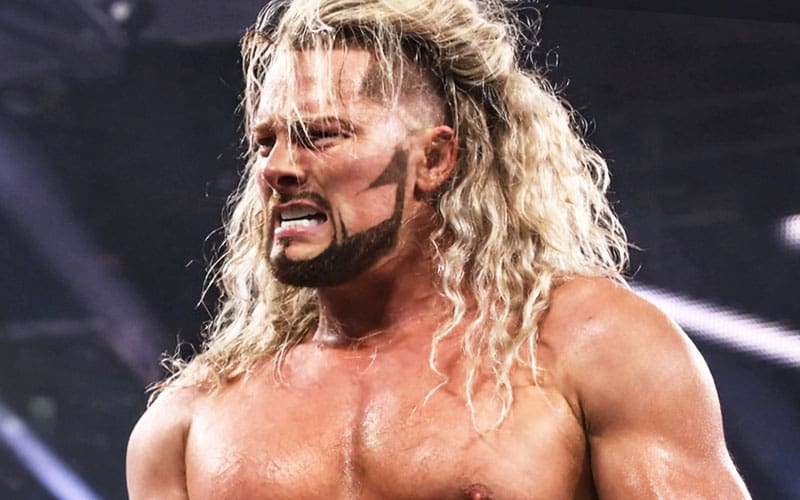
NXT provided exactly that environment. The transformation into the Lexis King character was jarring at first glance. The ridiculous, overly groomed facial hair. The extravagant throne. The flamboyant arrogance. It felt like a midcard gimmick straight out of 1995. But against all odds, it actually worked. He stopped trying to be the Loose Cannon. He started being an obnoxious, entitled reality-TV villain.
He found a distinct cadence on the microphone that he never showed on Wednesday nights. He actively leaned into the cheap heat. Fans inside the Performance Center genuinely found him annoying. That is the exact reaction you want for a midcard heel trying to build a foundation. He started picking up consistent wins. He got regular television time. The booking committee clearly saw something in his presentation. The character was finally clicking. He was getting comfortable walking down the ramp and posing on that ridiculous chair.
The in-ring reality check
But we have to be brutally honest about the bell-to-bell reality. The character work is entirely carrying the load right now. King's actual matches still suffer from wildly awkward pacing. Look back at his matches from late 2025. He often relies on basic rest holds to catch his breath rather than building legitimate tension. A chin lock only works if the crowd believes you are trying to squeeze the life out of your opponent. King too often looks like he is just hanging on.
He occasionally looks completely lost between sequences. When he transitions from a basic rest hold to a running spot, there is a visible hesitation. You can see the gears turning in his head as he tries to remember the next spot. His strikes frequently lack the violent snap you expect from a top-tier NXT talent. The sliding lariat—his chosen finishing maneuver—often looks more like a gentle bump than a devastating strike.
The mechanics of the move require perfect timing. He has to hit the ropes, generate forward momentum, and slide on his knees while delivering the strike. When the opponent does not feed him perfectly, the move completely falls apart. When he was put in the ring with a smooth, elite technician like Carmelo Hayes earlier in his run, the physical gap was glaringly obvious. Hayes was operating on a different speed entirely. Even against raw powerhouses, King sometimes struggles to dictate the pace.
King desperately needs reps. That is the entire purpose of the NXT developmental system. You get the character down on camera, and you smooth out the wrestling inside the training facility. A concussion halts both of those critical processes. It keeps him out of the ring. It keeps him out of the gym. It keeps him off our screens. You cannot get better at working a live crowd if you are sitting in a dark room waiting for a headache to finally subside.
The Stand & Deliver problem
Now that he is cleared for action, the booking committee has a tough decision to make. Do they rush him back into a prominent storyline for Las Vegas? Or do they hold off and wait for the post-WrestleMania reset?
The NXT midcard is an absolute meat grinder right now. You have incredibly hungry prospects pulling out all the stops to get noticed. Je'Von Evans is flying around the ring taking everyone's breath away. Oba Femi is tossing heavyweights through the mat. In that highly competitive environment, a guy with a funny beard and a slow work rate gets left behind instantly. If you step out of line for two weeks, someone else happily takes your spot on the poster.
The Stand & Deliver pre-show is a realistic goal. They always need a solid six-man tag or a fast-paced multi-man match to warm up the crowd before the main broadcast. But even securing a spot on the pre-show requires momentum. You cannot just walk back into the Performance Center after a brain injury and expect a free plane ticket to Nevada.
King needs a decisive, violent return. He cannot afford a long, meandering promo segment this week. He does not need to sit on his throne and complain about his head injury. He needs to walk down the ramp, hit the ring, and lay someone out cold. The fans need an immediate reminder of why they dislike him. He needs heat, and he needs it fast.
Tactical preview and final prediction
If we look at the current roster dynamics, King's best matchups are against pure, fiery babyfaces who can bump heavily around his slower offense. He needs someone who will sell his strikes like absolute death. Think of a Riley Osborne. Think of an Axiom or a Nathan Frazer. He needs an opponent who can fly into his setups and make that sliding lariat look devastating. A match against a bigger, slower opponent would be a tactical disaster right now. He needs blinding speed to cover up his own hesitation.
My prediction for his impending return match? It will happen on the next episode of NXT television. It will be a quick, brutal squash match. They will likely feed him a lower-card talent or a local enhancement worker. The booking committee knows exactly what they have in him right now. He is a reliable heel who can generate a reaction without doing dangerous high spots. But they also know his physical limitations.
It will not be a 15-minute technical classic. It really shouldn't be. It needs to be a clear statement of intent. Three minutes of non-stop action. Heavy, cheap strikes in the corner. A blatant thumb to the eye behind the referee's back. A solid, uninterrupted connect on the lariat.
He will get his hand raised in the center of the ring. He will grab the microphone from the ring announcer. And he will loudly demand a spot on the Stand & Deliver card. He has the pure vocal charisma to talk himself into a match in Las Vegas. The microphone is easily his best weapon. Now he just has to prove his physical body can handle the spotlight when the bell finally rings.
This is a make-or-break moment for his WWE career. The novelty of the Lexis King character has completely worn off. We know the gimmick. We know the presentation. The second phase of any NXT run is always the hardest part. You have to prove you can actually hang in the upper-card scene. You have to prove you can work a long pay-per-view match without getting blown up or losing the crowd's interest.
A concussion is a terrifying setback. But it is also a rare opportunity to hit the reset button. He can return with far more aggression. He can drop some of the cowardly heel tropes and adopt a more vicious in-ring style. If he wants to survive the inevitable post-WrestleMania roster cuts and thrive in 2026, he has to evolve. Las Vegas is calling. We are about to find out if Lexis King is actually ready to answer the phone.