The cost of Stand and Deliver
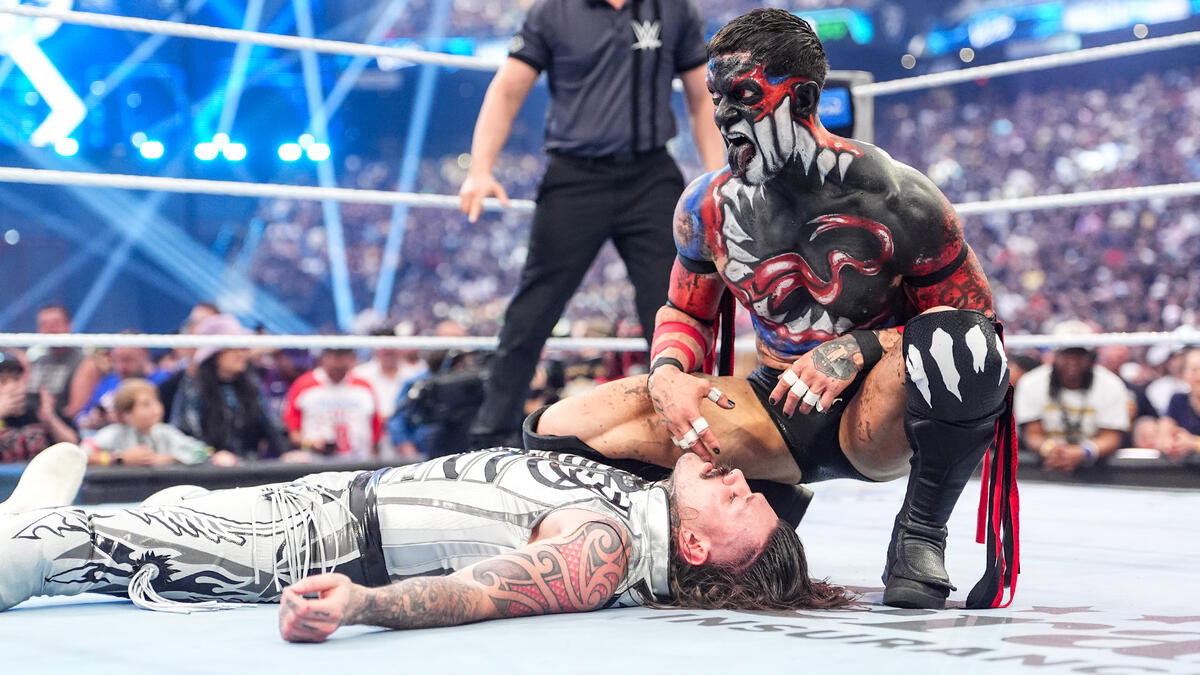
Saturday’s NXT Stand and Deliver was a high-octane affair, but the physical toll of five title matches and a ten-person tag bout is starting to manifest. While WWE has historically managed the aftermath of these premium live events with disciplined care, the immediate days following the April 4 show have been quiet on official medical reports. Fans watching closely, however, noticed how several athletes exited the ring.
Jacy Jayne’s defeat and her subsequent status following the recent events documented by PWTorch remain a point of discussion. The industry expects a formal update on her physical condition by Tuesday’s television taping. It is rare for a talent to have such a high-intensity outing without needing at least a minor checkup to address soft tissue trauma or potential concussion symptoms.
The broader impact on the wrestling calendar
With WrestleMania 41 now just 13 days away, the industry is entering a critical window where any unplanned absence creates a massive hole in creative planning. WWE relies on its NXT talent to build the depth chart for the main roster, and any lingering injuries from the Stand and Deliver card disrupt those call-up pipelines. Competitors like Liv Morgan and others involved in recent angles are walking a tightrope of aggressive physical storytelling that leaves little room for recovery.
We have seen these post-event lulls before, often utilized to either sell a transition into a new championship cycle or to quietly sideline individuals dealing with nagging issues. In 2026, the stakes are higher. The recent TKO announcements regarding International Fight Week place additional pressure on the medical departments to ensure stars are not just clearing baseline concussion protocols, but are actually match-fit for high-capacity crowd environments.
Risk factors in modern high-spots
The recent Will Ospreay match against Pac on Dynamite serves as a perfect case study for the current state of risk. Fans and critics remain split on the sustainability of those high-impact spots. As noted in recent AEW coverage, some fans are beginning to cringe at the sheer volatility of these moves. When talent pushes to that degree, the probability of an acute injury increases significantly regardless of how well-trained the performers might be.
The current lack of transparency regarding specific injury timelines for potential NXT call-ups is a flaw in the current booking communication. If the promotion wants to maintain momentum toward April 19, they need to be clearer about who is truly ready to work. Expecting a full roster report during the mid-week press cycle is standard practice, but the silence from headquarters suggests either total wellness or a desire to bury potential concerns until after the WrestleMania weekend draws conclude.
Strategic implications for bettors and creative
The betting odds for AEW Dynasty highlight how much financial weight now sits on the physical stability of these superstars. When lines open with heavy favorites, savvy observers know that those numbers often shift based on locker room rumors regarding health. If a top star goes down in the next 48 hours, the entire card structure for the month of May is thrown into disarray.
We are watching a shift where the audience is more aware of the medical reality than ever. Gone are the days of silent kayfabe injury leaves. Today, fans check dirt sheets for updates on knee stabilization and concussion testing before they even look at a promo segment. For the promotions, the ability to manage these recovery timelines without killing the heat of a feud is the primary skill for the current era of wrestling management.
Read Next