The Death of the Track Star Experiment
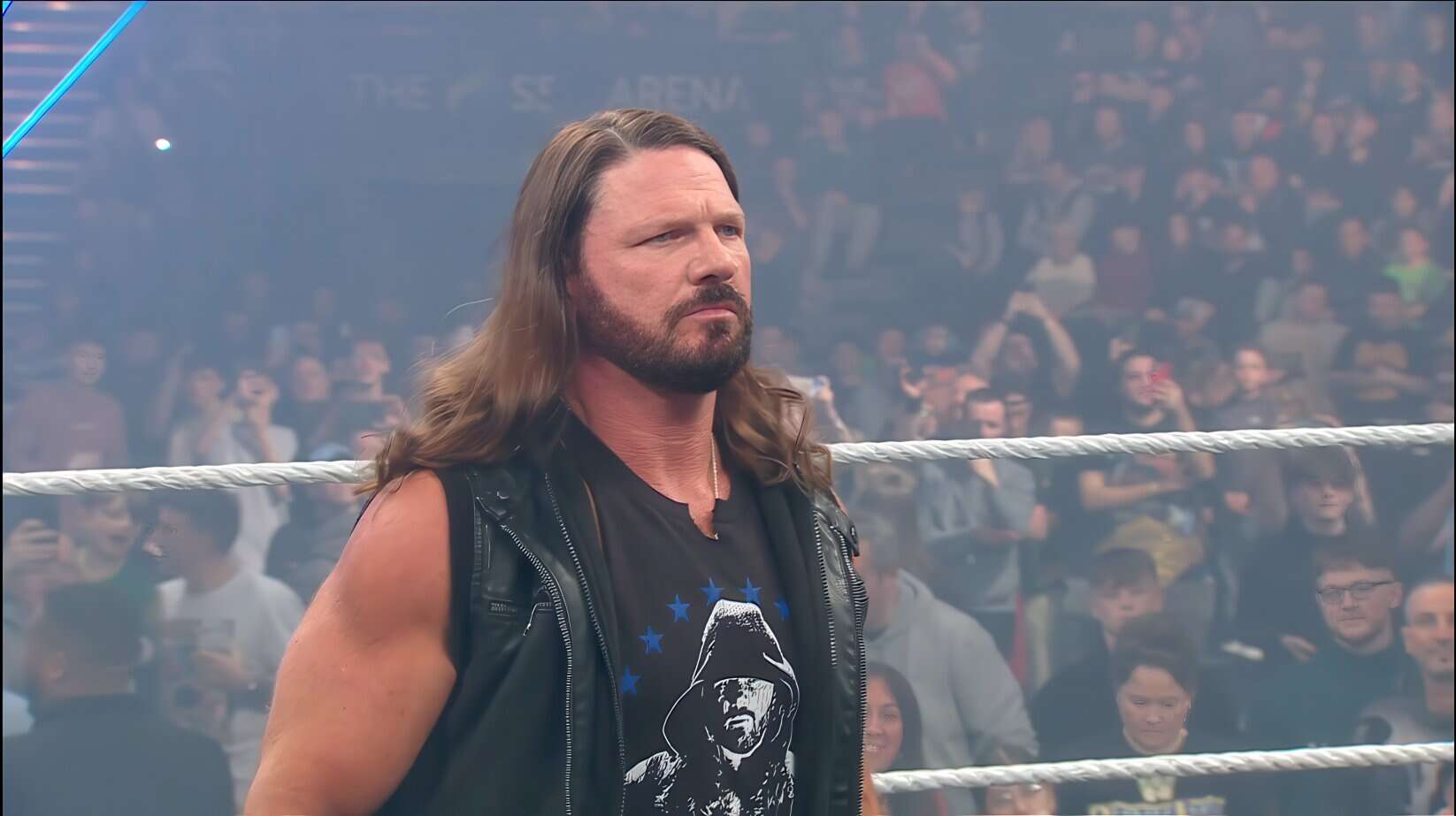
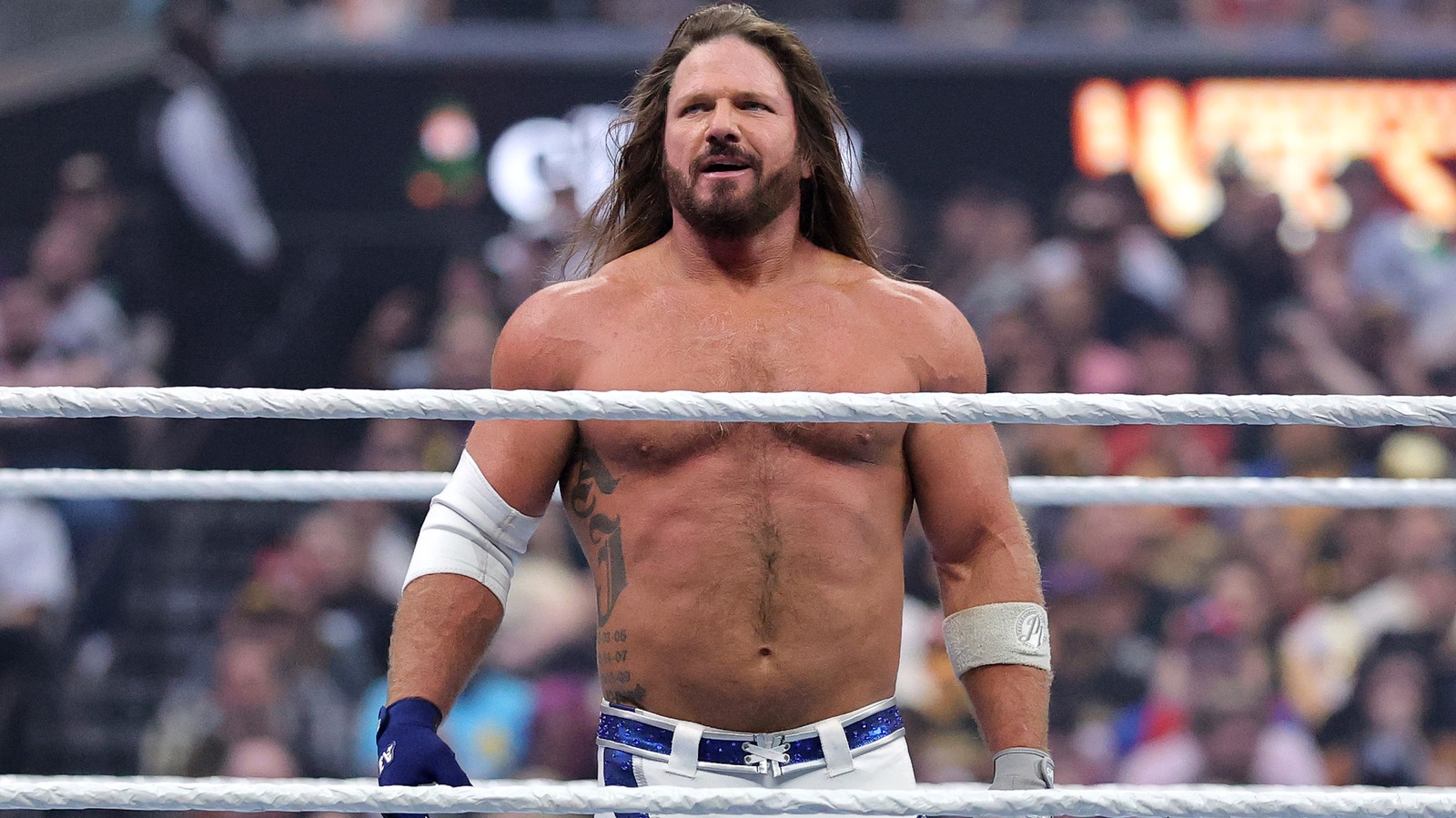
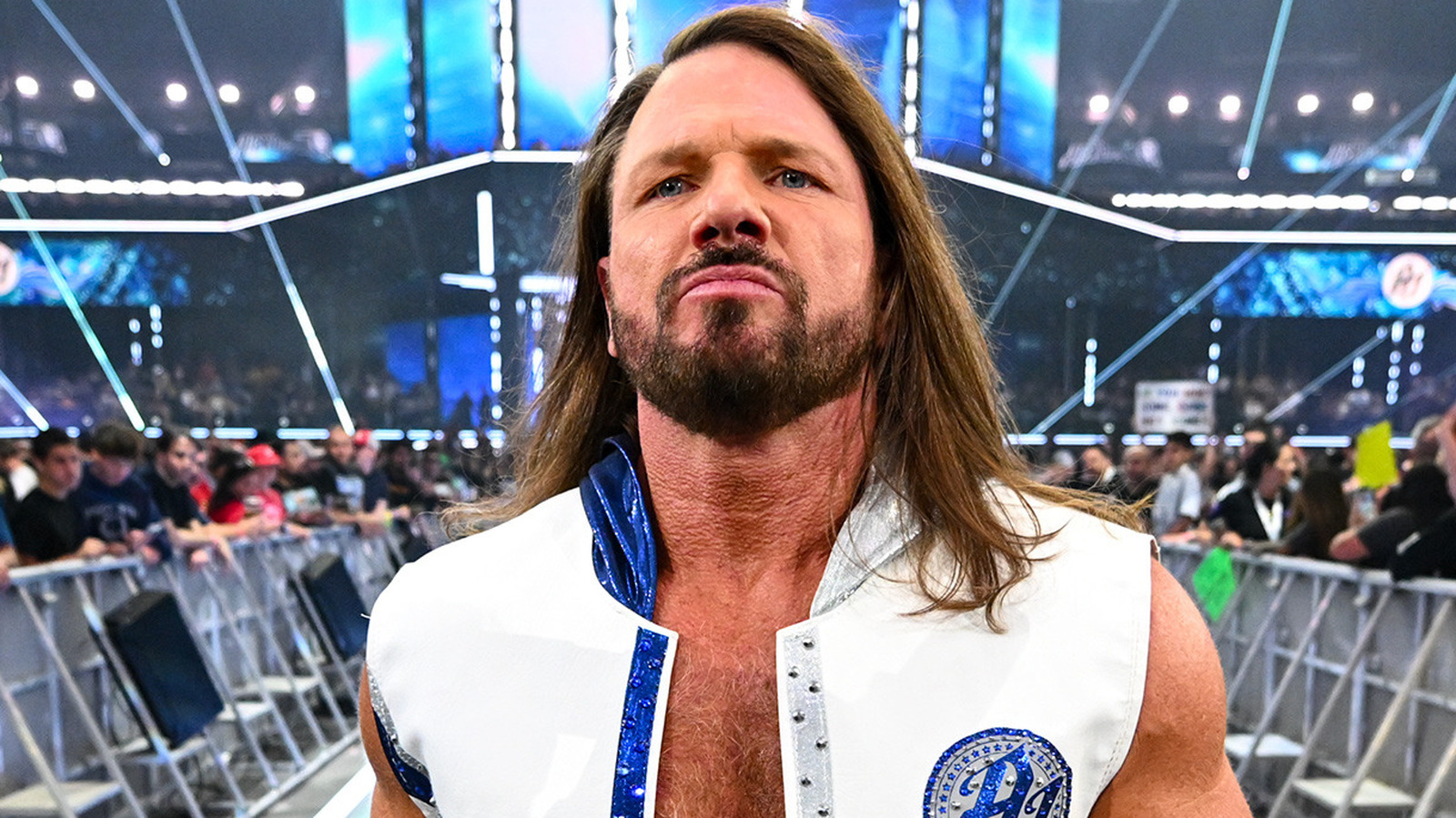
AJ Styles stepping into a talent evaluation role for WWE is the smartest front-office move the company has made this year. For far too long, the developmental machine in Orlando has operated with a frustrating bias toward raw, unrefined athleticism. The mandates were obvious to anyone paying attention. Find the collegiate standouts. Find the gymnasts. Bring in the track stars who look great on a billboard, and then try to teach them how to hit the ropes.
But professional wrestling is not just a vertical leap. It is not a 40-yard dash time. It is a highly specific, dangerous art of timing, spacing, and micro-expressions.
Who better to scout the next generation of workers than the man who spent two decades defining the modern style?
As we sit just 21 days away from WrestleMania 41 in Las Vegas, the main roster is heavily populated by the successes of the Performance Center era. Yet, there has always been a quiet, undeniable tension between the homegrown athletes and the veterans who learned their trade the hard way. The ones who starved in high school gyms, bled in the Tokyo Dome, and learned how to call a match on the fly.
Styles falls squarely into the latter camp. His transition into a scouting role isn't just a golden parachute for a veteran winding down his in-ring schedule. It is a desperately needed pivot. WWE requires workers who understand the nuance of a 20-minute television match, not just a three-minute viral clip.
What a Master Technician Looks For
When reports surfaced regarding Styles's new scouting criteria, the details felt perfectly aligned with his in-ring philosophy. He isn't looking for someone who can pull off a standing shooting star press in an empty ring. He is looking for someone who knows exactly when not to do one.
Think about the absolute peak of his WWE run. Go back and watch his clinics against John Cena in 2016, or his marathon run with the WWE Championship. What made Styles the best in the world wasn't his aerial ability. It was his footwork. It was the way he fed into a babyface comeback, positioning himself perfectly so his opponent didn't have to adjust their stride.
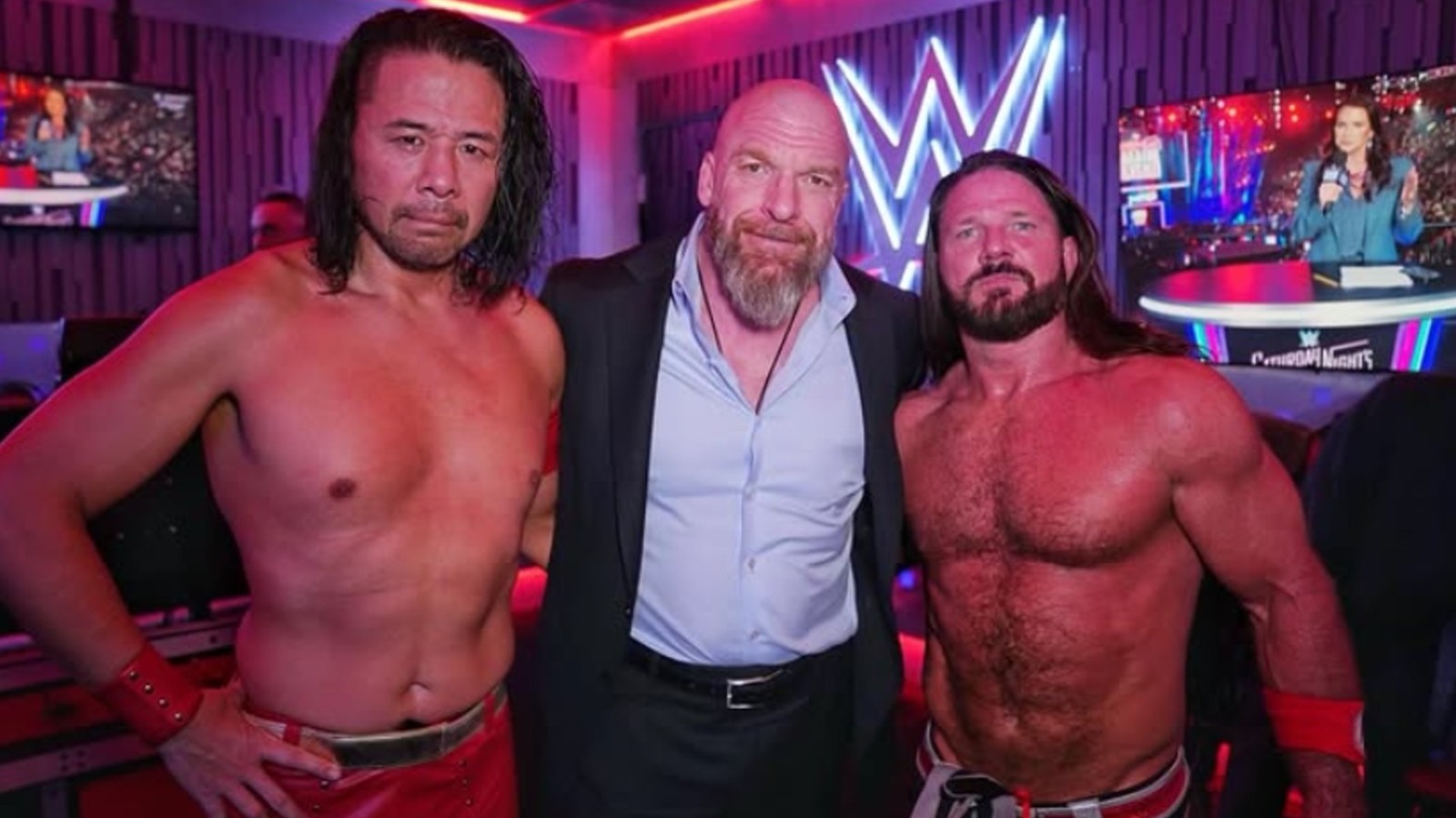
Look at how he handled his debut against Chris Jericho, or his legendary encounters with Shinsuke Nakamura back in New Japan Pro-Wrestling before either man signed a WWE contract. Styles always adapted his tempo to fit the narrative of the feud. If the story demanded a slow, methodical limb-targeting approach, he would dissect an opponent's knee with surgical precision. If it required a chaotic brawl, he flipped the switch immediately. He never wrestled the exact same match twice.
A former college linebacker can be taught to hit a brutal spear. They cannot easily be taught the subtle art of bumping on the apron to make a sloppy transition look completely natural. That is the exact instinct Styles is hunting for right now. He wants wrestlers who understand the geometry of the squared circle.
He knows that offensive flash means absolutely nothing if the defensive fundamentals are broken.
Key Match-Up: The Veteran Eye vs. The Corporate Metric
If we are treating this front-office transition like a premium live event, the key match-up is obvious. It is AJ Styles's veteran instincts going head-to-head against the WWE corporate analytics department.
The form guide for WWE management is well documented. Over the last three years, they have heavily favored the NIL program. They want athletes with massive social media followings and zero bad habits from the independent circuit. They have a winning streak of producing solid, mid-card television acts.
Styles brings an entirely different form guide. His track record is built on twenty years of surviving the most grueling promotions on the planet. He knows that analytics cannot measure heart, and a spreadsheet cannot tell you if a wrestler knows how to panic a crowd during a submission sequence.
The Flaw in the Corporate Machine
Let's not pretend this is a flawless, guaranteed plan. WWE's corporate structure has a frustrating habit of stifling good ideas through sheer bureaucracy.
We saw this exact tension during the black-and-gold era of NXT. The independent veterans carried the match quality, while the homegrown talent struggled to keep up once the training wheels were removed. Now, the pendulum has swung back toward character work and raw athletes. The matches are fine, but they often lack the glue that holds a true masterpiece together.
Styles can point at a 5-foot-9 prodigy tearing it up in DEFY Wrestling or GCW and say that kid is the future. But will the recruitment board actually sign off on him?
We have watched this exact scenario play out before. A respected veteran is handed a clipboard, told to find the next breakout star, and then their recommendations are politely ignored. Instead, management pushes a tall fitness model who cannot remember a sequence of three moves.
This is my biggest fear regarding this new role. The fatal flaw in WWE's developmental system is their obsession with immediate physical presence over a long-term psychological ceiling. Styles knows the difference. If a rookie has a flat bump card but looks great in an under-armour shirt, they are entirely useless 15 minutes into a premium live event.
If Styles is genuinely given the autonomy to green-light talent, the entire complexion of NXT will change for the better. If he is just a PR figurehead meant to appease hardcore fans, this is a massive waste of his brain.
The Independent Renaissance
The timing of this scouting shift is fascinating. With AEW Dynasty happening tomorrow night in Kansas City, the arms race for top-tier independent talent is hotter than ever.
Tony Khan has historically out-bid WWE for the darlings of the internet wrestling community. WWE countered by simply opting out of that race, focusing their budget entirely on collegiate athletes.
Styles arriving on the scouting scene changes that dynamic entirely.
Imagine being a 24-year-old standout working a Saturday night show in front of 400 people in Chicago. You look toward the back of the room and see AJ Styles taking notes. That carries an entirely different weight than a corporate recruiter wearing a branded polo shirt.
Styles represents the ultimate success story for the non-traditional WWE prototype. He was told he was too small. He was the face of TNA for a decade. Then he debuted at the Royal Rumble, won the top prize, and became a cornerstone of SmackDown.
When he looks an indy worker in the eye and tells them there is a path for them in Stamford, they will actually believe him.
The Tactical Breakdown of a Recruit
If we want to understand what Styles is looking for, we have to break down what a classic AJ Styles match actually requires.
- Spatial Awareness: Styles never wastes a single step. Every movement serves a clear purpose to position either himself or his opponent for the hard cam.
- The Art of the Sell: It isn't just taking the physical move. It is the delayed reaction. It is the glazed look in the eyes. It is the desperate, agonizing crawl toward the bottom rope to break a submission.
- Offensive Pacing: Knowing exactly when to let the live crowd breathe. Modern wrestling suffers from a relentless, exhausting sprint mentality.
Styles knows that the modern indie sprint is actively hurting the business. The constant escalation of high spots leads to severely diminished returns from the audience.
You cannot pop a crowd with a standard superkick if they just watched three Canadian Destroyers on the ring apron five minutes earlier. Styles understands restraint. He will be looking for recruits who understand that a basic headlock takeover can mean more than a 450 splash if it is applied at the exact right moment.
Looking Ahead to Las Vegas and Beyond
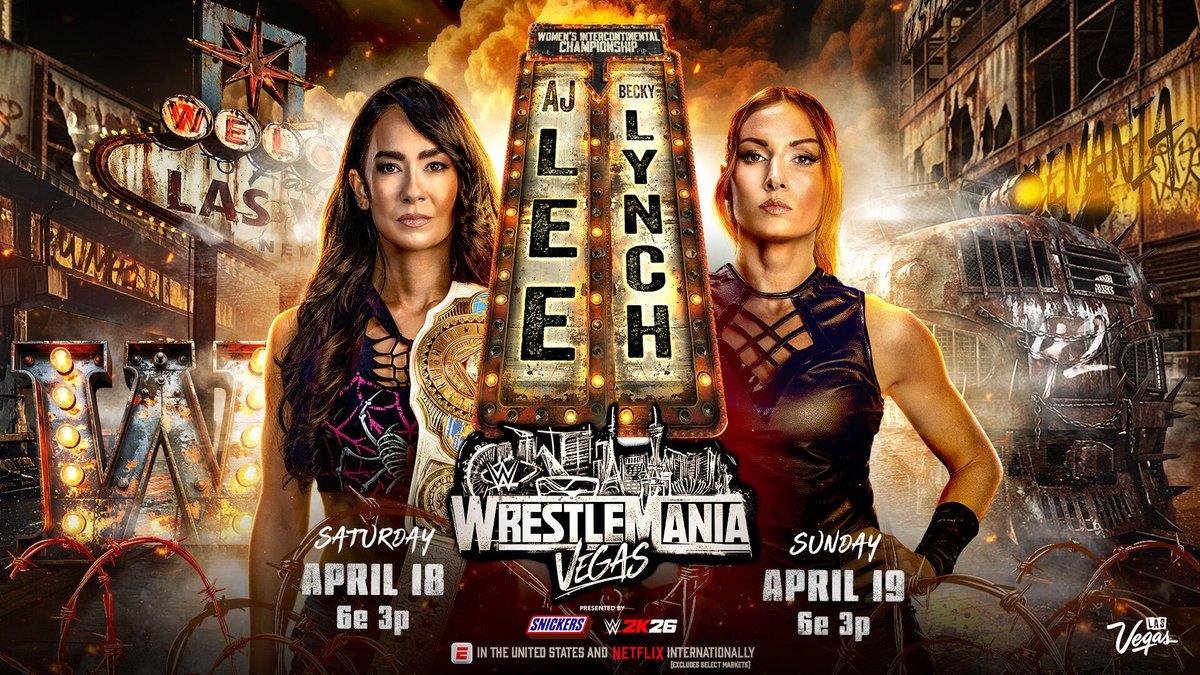
We are just weeks away from WrestleMania 41. The card is already stacked with massive spectacles, emotional farewells, and the never-ending Bloodline drama.
When fans file into Allegiant Stadium, they will be cheering for the finished products. They will be reacting to the pyro, the grand entrances, and the sweeping video packages. But the foundation of every single great match on that card was built by men and women who understand the mechanics of the sport on a molecular level.
Styles knows how hard it is to build that foundation from scratch. By bringing him into the evaluation process, WWE is finally admitting that they cannot just manufacture greatness in a weight room.
But the real future of the company isn't being decided under the bright lights of Las Vegas. It is being decided right now, in quiet gymnasiums and empty arenas where AJ Styles is quietly evaluating tape.
If WWE actually lets him do the job his way, the next decade of television will look vastly different. The matches will be significantly smarter. The pacing will be noticeably tighter. The storytelling will rely less on manufactured spectacle and more on the fundamental, gritty truths of professional wrestling.
I just hope the executives in the boardroom actually listen to him. Because if they hand AJ Styles a clipboard and then ignore his evaluations, they are actively wasting one of the greatest wrestling minds of this generation.
My prediction is simple. Within the next six months, Styles is going to bring in a handful of completely overlooked independent workers. Those workers will bypass the traditional Performance Center struggle and immediately out-work the NIL recruits on NXT Level Up. Talent recognizes talent. The phenomenal era of scouting has officially begun.
Read Next