The Anatomy of a Bad Decision
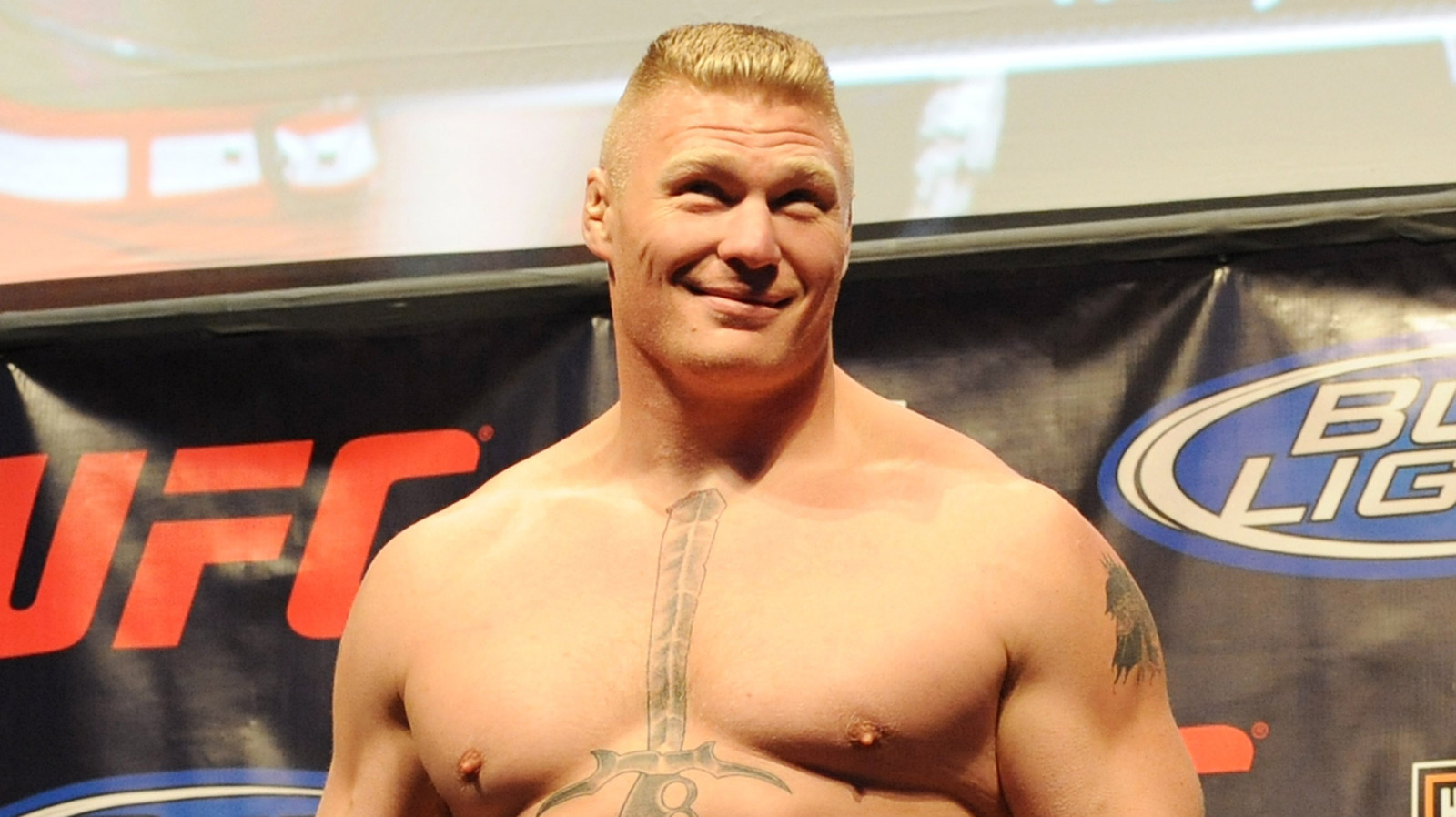
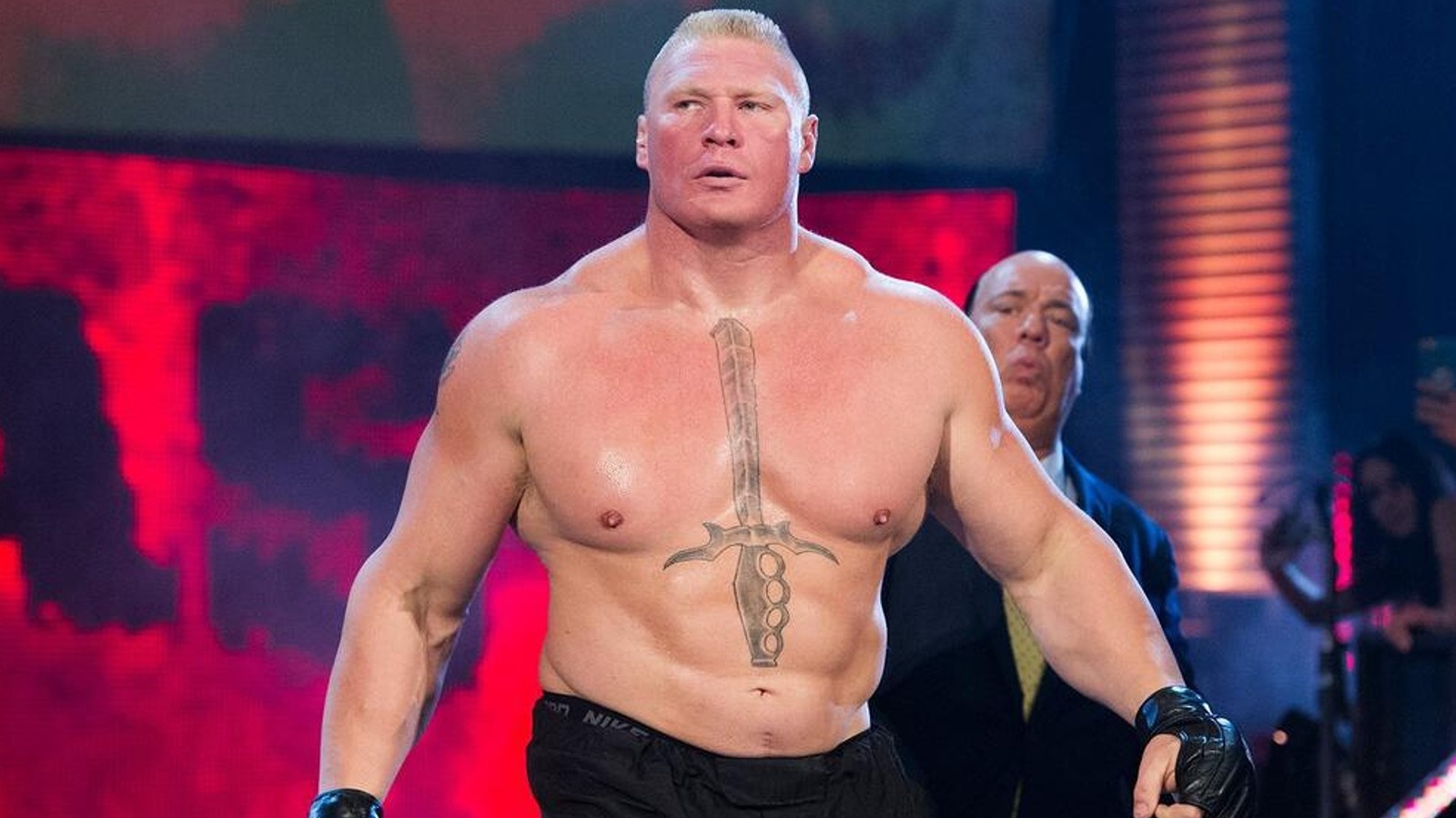
When a heavyweight athlete casually admits to a dangerous cocktail of substances, the medical community takes notice. Brock Lesnar recently told the tale of how he got the infamous sword tattoo on his chest. The ink was not the result of careful planning. Instead, Lesnar admitted it was the result of
'Half A Gallon Of Vodka & Maybe A Few Vicodin'
Fans might chuckle at the reckless nature of the story. The physiological reality is terrifying.
As a medical reporter covering combat sports, I look at that statement and see a massive red flag regarding pain management. We are analyzing a historical injury crisis rather than a new physical tear. The combination of alcohol and a prescription opioid is lethal. It points directly to the severe physical toll his body was enduring.
Vicodin is a combination of hydrocodone and acetaminophen. Hydrocodone binds to pain receptors in the brain, effectively muting the warning signals from damaged tissue. Acetaminophen is processed by the liver.
When you introduce large quantities of alcohol, the liver prioritizes metabolizing the ethanol. The acetaminophen builds up to highly toxic levels. It leads to acute hepatotoxicity. It is a genuine medical miracle Lesnar did not suffer total liver failure that night.
The Biomechanics of Breakdown
The timeline of this tattoo placement aligns closely with Lesnar's departure from WWE and his ill-fated attempt to make the NFL. He was nursing a broken jaw, fractured ribs, and a severely damaged pelvis from a motorcycle accident.
He was also dealing with the lingering spinal trauma from his botched Shooting Star Press against Kurt Angle. His body was a complete wreck. He was operating on borrowed time and heavy medication.
Lesnar was holding his skeletal structure together with painkillers and sheer rage. The sword tattoo pointing at his throat symbolized feeling like he had a blade to his neck under the pressure of his career. From a sports medicine perspective, the real weapon was his method of self-medication.
Wrestling has a notoriously dark history with this exact chemical cocktail. Athletes used alcohol to amplify the effects of low-dose opioids when their prescriptions ran out. The fact that a generational athlete like Lesnar resorted to this highlights a massive failure in medical oversight.
The industry simply turned a blind eye to how these athletes survived the road.
Mechanical Stress and Gastrointestinal Trauma
Let us analyze the mechanical stress on Lesnar's body. Carrying a massive 286 pounds of dense muscle puts extreme wear on load-bearing joints. His knees and lower lumbar spine absorbed car-crash levels of impact roughly 300 days a year.
When cartilage wears down from repetitive trauma, bone grinds on bone.
Without proper rehabilitation time, athletes turn to chemical solutions out of desperation. Vicodin dulls the immediate sharp pain of a deep bone bruise. Vodka acts as a heavy muscle relaxant, numbing the psychological stress and the ambient physical ache.
This cocktail destroys the body's natural warning systems. It allows the athlete to push past safe limits. If an athlete cannot feel a micro-tear in their patellar tendon, they continue to put a heavy load on it.
That micro-tear eventually becomes a complete catastrophic rupture. Lesnar was incredibly fortunate his self-medication resulted in an ugly tattoo rather than a career-ending structural failure in the ring.
It is frustrating that wrestling pundits frame this story as a funny anecdote. There is absolutely nothing amusing about an elite athlete self-medicating to the point of a blackout. The wrestling media fails to interrogate the grim reality behind these road stories.
We need to stop glorifying chemical dependency as a badge of toughness. It is a failure of care.
There is a direct line between chronic painkiller use and severe gastrointestinal issues. Later in his career, Lesnar would lose years of his physical prime to diverticulitis. This brutal condition involves the inflammation and infection of small pouches in the intestinal wall, often requiring bowel resection.
While we cannot definitively say this specific incident caused his diverticulitis, the medical literature is clear. Chronic use of pain medication drastically alters gut motility. It slows down the digestive tract entirely.
Combined with a diet massive in animal protein and dangerously low in fiber, the intestines are placed under immense strain. The heavy intake of vodka acts as a violent solvent, aggressively dehydrating the muscles and connective tissue.
Current Status and the Reality of Pain Management
Tendons lose their natural elasticity when deprived of water. Dehydrated muscles tear significantly faster under heavy loads. It is a terrible cycle that ruins athletic performance.
Lesnar has been absent from television recently. At his advanced athletic age, every extended break brings questions of permanent retirement. The cartilage in his knees has almost certainly degraded to a minimal level.
His explosive power, while still elite, requires much longer recovery windows between explosive bursts.
We must view this tattoo story not as a quirky footnote, but as a documented medical crisis point. It was a cry for help disguised as youthful rebellion. Any current talent mixing opioids and alcohol in the modern era would be suspended immediately.
They would be sent to an inpatient rehabilitation facility.
The legacy of that era is written permanently on the bodies of the performers who survived it. Lesnar carries his mistake visibly on his chest. Others are carrying titanium rods in their fused spines. Tragically, many did not survive long enough to tell their own cautionary tales.
Medical staffs in modern combat sports prioritize preventative, non-narcotic care. Advanced blood flow restriction training, targeted cryotherapy, and deep tissue mobilization have effectively replaced the hotel room pharmacy. The objective is to aggressively manage cellular inflammation before it triggers the need for narcotic intervention.
Lesnar's body is a literal map of his career trauma. The deep surgical diverticulitis scars on his abdomen tell the story of a life-threatening illness. The massive sword on his chest tells the story of a man who was breaking down mentally and physically.
He was reaching for the worst possible medicine to numb the overwhelming pain.
In terms of his current roster status, Lesnar is technically available but functionally resting. He has no immediate return date scheduled on the calendar. The strategy for managing a veteran with his extreme mileage is simple.
Take zero unnecessary bumps. Utilize massive recovery periods. Maintain strict medical oversight.
When we evaluate the physical cost of professional wrestling, we have to look past the visible bleeding and the purple bruises. The invisible injuries—the chemical dependency, the organ strain, the central nervous system exhaustion—are the true career killers.
Lesnar beat the statistical odds. His recent admission proves exactly how close he came to the edge.