The Orlando Stalemate
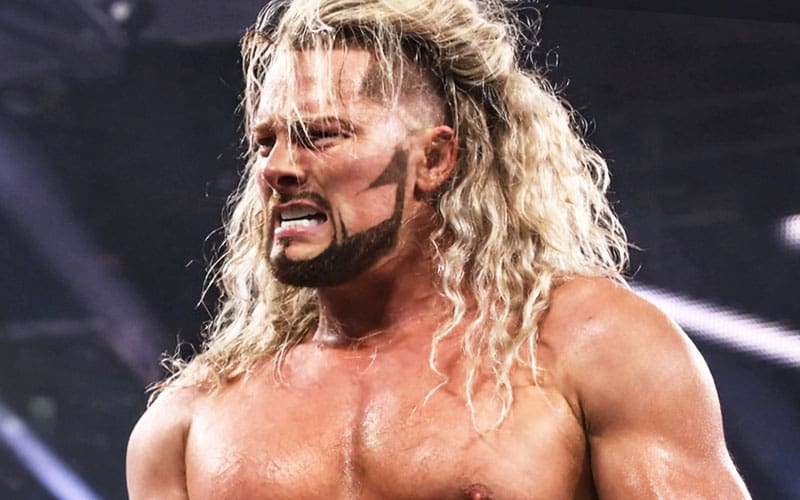
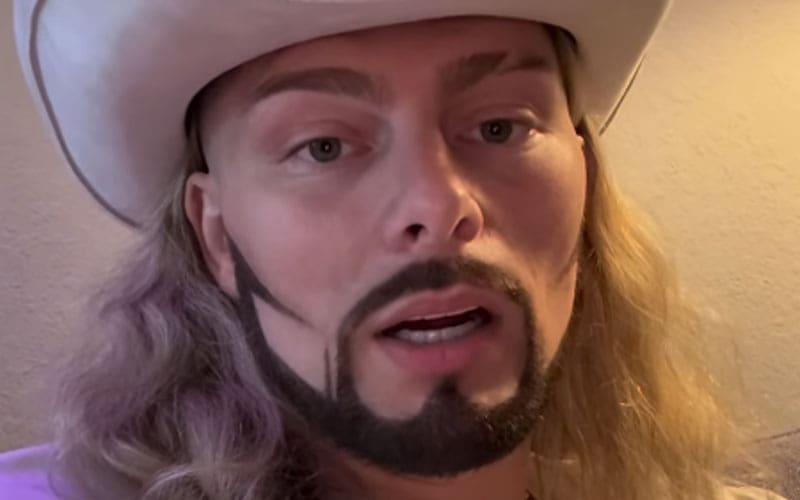
Lexis King is officially on the shelf. The NXT standout confirmed he suffered a "very bad concussion" during a recent live event, halting a push that was finally starting to find its footing in Orlando. King took to social media to break the silence, describing the moment as a legitimate scare for both himself and the crew ringside. The incident has immediate ramifications for the Tuesday night brand as it prepares for its biggest weekend of the year.
The injury occurred during a standard house show loop, the kind of grind where physical tolls often hide in the mundane. Reports from attendees suggested a heavy landing during a high-impact sequence, followed by the immediate arrival of medical staff. The referee signaled the "X," and the match was waved off, leaving the crowd in a stunned silence. King hasn't appeared on television since the incident, and now the diagnosis confirms the worst fears of the NXT creative team.
"I suffered a very bad concussion. It was a scary moment for everyone involved, but I'm focusing on my recovery."
Head injuries in 2026 are not handled with the "shake it off" attitude that defined the industry in the 1990s. WWE’s medical team, led by world-class neurologists, has a multi-stage clearance process that King must navigate before he can even think about bumping again. This isn't a sprained ankle where a trainer can apply tape and send a worker out to cut a promo. It is a neurological waiting game where the brain dictates the timeline, not the booking sheet.
The Five-Stage Protocol
WWE utilizes a rigorous five-stage concussion protocol that is often more stringent than the NFL or NHL equivalents. It begins with "No Activity" until all symptoms—including light sensitivity and headaches—have completely cleared. From there, King will move to light aerobic exercise, then wrestling-specific drills without contact, then full-contact practice, and finally, full medical clearance.
A concussion described as "very bad" usually carries a mandatory 30-day window of no contact as a baseline. However, that is the floor, not the ceiling. If King fails any of the baseline cognitive tests that measure reaction time and memory, that timeline could easily stretch into the summer months. The clock doesn't start until the symptoms stop, and for a talent whose character relies on high-energy arrogance, the forced silence is a massive setback.
The timing is particularly brutal for the former Brian Pillman Jr. With Stand & Deliver just three weeks away in Las Vegas, King was likely penciled in for a significant role on the WrestleMania weekend card. Now, those plans are in the shredder. The NXT North American Championship scene was finally starting to orbit around his "King's Court" segments, providing a reliable bridge between the heavy hitters and the developmental talent.
Tactical Fallout in NXT
Shawn Michaels now faces a hole in the mid-card that isn't easily filled. King was serving as the primary heat-magnet for rising babyfaces like Je'Von Evans or Riley Osborne. His absence forces a pivot in the weekly television structure. We are likely to see a talent like Ethan Page or perhaps a faster elevation for some of the Level Up standouts to fill the minutes King was occupying. The show goes on, but it will be quieter without his self-important entrance theme.
Tactically, the loss of King removes a specific kind of veteran presence from the locker room. Despite his "King" gimmick, he has years of experience from the independent circuit and AEW that he brings to the younger NXT roster. Without him in the ring, his opponents lose a dance partner who knows how to structure a 20-minute main event. The developmental curve for his recent rivals just got a lot steeper.
Historical Context and Career Risks
We’ve seen this story before with devastating results. We cannot ignore the 2016 retirement of Daniel Bryan, which happened exactly ten years ago. Back then, the idea of a "very bad concussion" was often a career death sentence in the WWE ecosystem. While Bryan eventually returned, his journey redefined how the industry looks at brain health. King is younger, but the brain does not care about your spot on the card or your family lineage.
More recently, Adam Cole’s career nearly ended due to successive concussions, forcing him into a grueling nine-month recovery process. That layoff redefined how both AEW and WWE approach repeat head trauma. King has not been labeled "injury prone" in the past, but the physical toll of his style is starting to show. In NXT, he's transitioned to a more grounded heel, but the danger remains constant.
Let’s be critical for a moment: King’s ring work has occasionally been described as "loose" by veterans. While his character work is top-tier, his spatial awareness in the ring sometimes lags behind his verbal confidence. Whether this concussion was a freak accident or a result of a miscalculated spot, it is a sign that the "King" still has much to learn about the "Craft." Safety is the one thing you can't fake in a ring full of athletes.
The Path to Vegas
The immediate focus for King is his long-term health, not a Plastic Crown or a spot on the Las Vegas marquee. The NXT roster depth will be tested, and the creative team must find a way to maintain the momentum of the programs King was anchoring. WWE maintains a zero-tolerance policy regarding premature returns, meaning King won't be seen until he is 100% symptomatic-free.
For the fans in Orlando, the "King's Court" is adjourned indefinitely. Recovery from a "very bad" concussion is unpredictable; some athletes bounce back in weeks, while others deal with lingering issues for months. King’s social media update was a gesture of transparency, but the real work happens in darkened rooms and neurology clinics far away from the cameras. NXT will look very different as the road to WrestleMania 41 continues without one of its most polarizing figures.
Read Next