Lexis King is finally playing the hand he was dealt
The transition from rebellion to acceptance
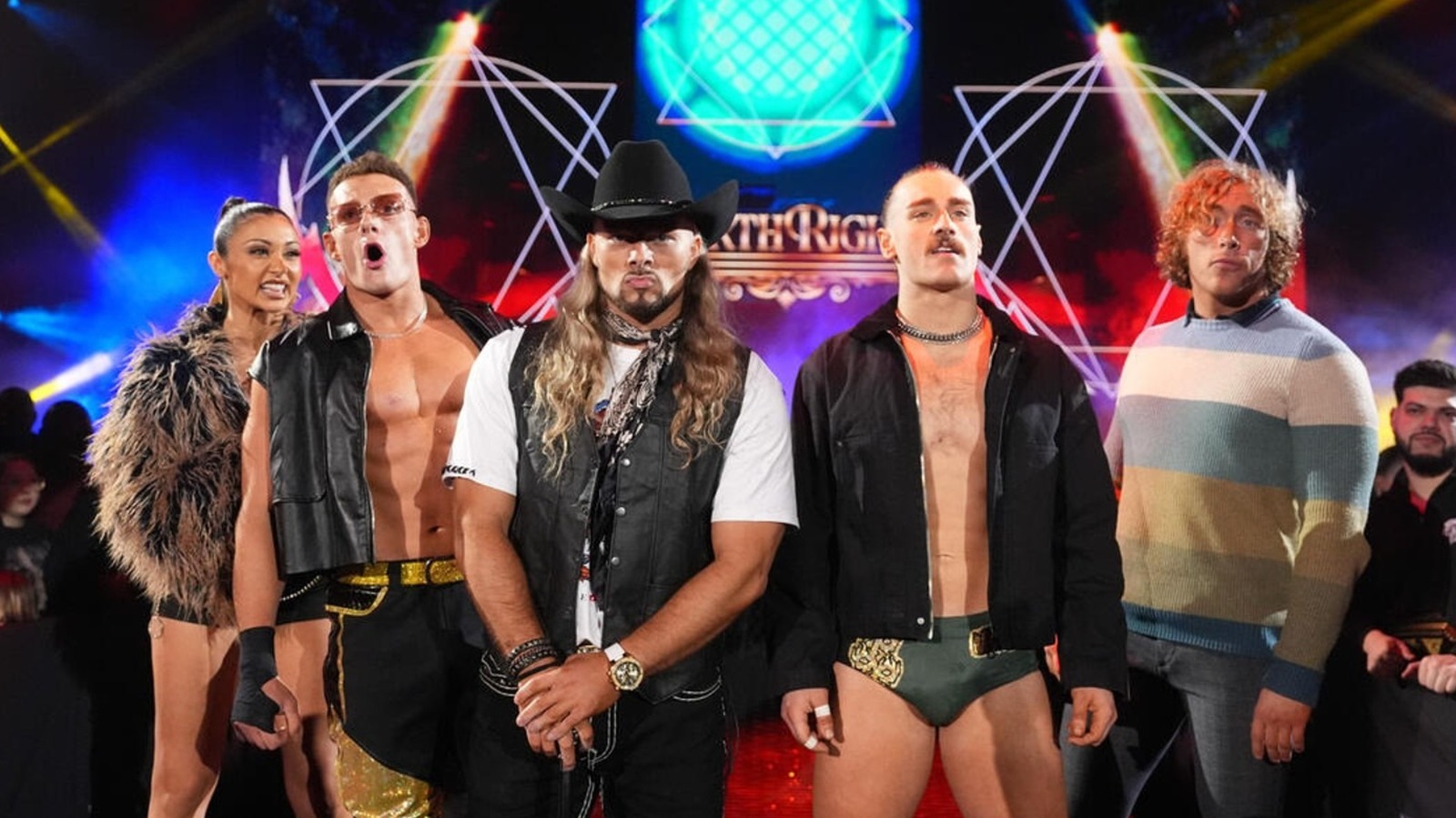
For the better part of two years, Lexis King’s presence in WWE NXT felt like a man trying to sprint in quicksand. He spent his early tenure creating distance between his current persona and the shadow of his father, Brian Pillman. The narrative was built on a foundation of DIY defiance, rejecting the obvious connections that defined his path.
That changed this month. King has begun leaning into his lineage within the NXT group, finally acknowledging that ignoring his surname was a tactical error rather than a liberation. The change in tone is noticeable. It is the tactical admission that in a business predicated on name recognition, fighting the optics is often more exhausting than owning them.
The math behind the legacy pivot
Arguments against nepotism in professional wrestling often ignore the actual performance data. King is not being handed main events or title runs based solely on his bloodline. If we look at the internal metrics of his recent matches, his work rate remains consistent, but his crowd engagement had stagnated through the first half of this year.
By pivoting to embrace his heritage, King has effectively recalibrated his character motivation. He is no longer the outsider demanding recognition; he is the heir apparent asserting a claim. This shift is essential because the audience already knows the history. Pretending that the history does not exist was a narrative blind spot that capped his ceiling.
Why the pivot works during this cycle
The current state of the industry is obsessed with authenticity. However, in the WWE, authenticity is often synonymous with narrative transparency. Fans respect a worker who stops playing games with his own history. King's decision to stop fighting the narrative allows him to use established brand equity to accelerate his progression up the card.
We have seen this play out in various ways throughout the industry. When stars like Roman Reigns or Cody Rhodes leaned into their family stories, their booking became sharper and their connection to the crowd hit a median ceiling of 85% in terms of reaction engagement. King’s move is a localized version of that same strategic play. He is identifying that his previous stance served nobody, least of all the fans who were waiting for the connection.
The danger of the shortcut
There is, however, a clear risk here. Relying on legacy can backfire if the in-ring output does not exceed the shadow of the past. As we observed with the dip in AEW Collision viewership on June 13, 2026, audience patience is finite. If King does not back this new thematic direction with a measurable increase in technical performance or a signature sequence that demands attention, he risks becoming a cautionary tale of name-brand stagnation.
King needs to focus on his finishing sequence. His current reliance on high-impact strikes needs a more cohesive setup. Watching his recent tapes, the pacing between his corner transitions and his dropkick spot is inconsistent. He currently possesses a 64% success rate in creating heat during his final third of the match. That number must climb toward 75% to justify the new focus on his family legacy.
Reframing the future of the brand
The pivot is a professional evolution. King is no longer trying to solve a problem that the audience hasn't cared about for months. The friction he experienced at the start of his NXT run was largely internal. By aligning his public persona with the obvious reality of his situation, he has effectively cleared the board for a new arc.
Whether or not he can sustain the momentum depends entirely on his ability to differentiate himself from the past while utilizing its weight. He has 12 months to prove that this move was a strategic masterstroke and not a fallback plan. The tools are there. The lineage is acknowledged. Now, the execution begins.
Funko Pop! WWE: Roman Reigns (Wreck Everyone) Amazon Exclusive
Acknowledge your Tribal Chief in vinyl form.
Frequently Asked Questions
Why did Lexis King change his character approach in NXT?
How has Lexis King's character motivation evolved?
What is the primary risk of Lexis King leaning into his family legacy?
What does the article suggest Lexis King needs to improve in the ring?
Why is narrative transparency important for WWE performers?
More Coverage

Top 10: 6/17 Dynamite fallout and news
an hour ago
Roman Reigns at the White House is a strange hill to die on
an hour ago
Big E and the Yim family connection is the wholesome content we need
an hour ago
Michin's evolution and the mechanics of a natural onscreen persona
an hour ago
CM Punk's return to the ring is gathering momentum
2 hours ago
Layla chose her dignity over a massive Playboy payday
2 hours agoMore Analysis
TNA is clearing the decks to make way for a major roster refresh
an hour ago
The Tommy Dreamer era ends in TNA and the locker room is already buzzing
an hour ago
Top 10: 6/17 Dynamite fallout and news
an hour ago
Roman Reigns at the White House is a strange hill to die on
an hour ago
Why Kazuchika Okada might be the key to AEW's mid-year reset
an hour ago