The physical cost of the May 2026 circuit
Professional wrestling does not stop for maintenance, but the calendar remains unforgiving. As we approach AEW Double or Nothing on May 24, medical staffs across Japan and the United States are managing a spike in recovery protocols. While no catastrophic career-ending injuries were reported over the May 16-18 weekend, the sheer density of events from All Japan Pro-Wrestling to Game Changer Wrestling highlights the fragility of current rosters.
Frequent travel remains the primary culprit for diminished recovery times. Athletes performing in high-impact environments like the Ota Ward City Gymnasium or the Val Air Ballroom rarely operate at 100 percent in consecutive weeks. The demand for recurring appearances means wrestlers are frequently competing through minor muscular strains and joint inflammation that would be treated with prolonged rest in other professional sports.
Analyzing the impact of compact schedules
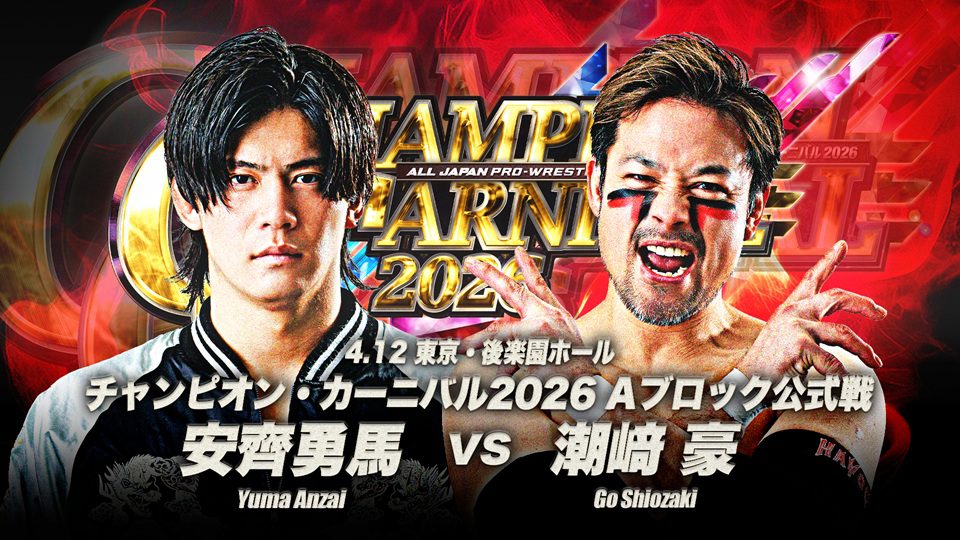
The strategic reliance on "tournament-heavy" booking for promotions like AJPW forces athletes into dangerous cycles of repetitive stress. By the final night of the 2026 Champion Carnival on May 17, performers demonstrated a noticeable reduction in explosive movement compared to the opening night. This trend is not unique to Japanese promotions; GCW’s back-to-back dates in Illinois and Iowa present similar wear-and-tear risks.
Promoters often fail to account for the cumulative effect of these bookings. When organizations prioritize ticket movement over athlete longevity, they inadvertently foster atmospheres of inevitable injury. The failure to include mandatory downtime between tournament stages remains a glaring flaw in modern wrestling event management. Scheduling a final night of a physically grueling tournament immediately following a string of high-intensity qualifiers is a recipe for long-term health degradation.
The historical precedent for athlete exhaustion
History shows that this cycle leads to mid-card burnout. In previous years, promotions that overbooked key roster talents in the month leading up to major spring events saw a significant drop in match quality by the time the pay-per-view window arrived. For example, the physical toll recorded during mid-May tournaments often correlates with performance fatigue witnessed during signature June broadcasts.
The current situation mirrors common trends in the mid-2000s independent scene, where the independent talent pool was stretched thin across multiple territories. Today, with major players like WWE running high-frequency taped content and AEW maintaining a rapid pace toward their own events, the margin for error has vanished. There is no recovery window in 2026; there is only the next flight and the next venue.
Industry-wide strategic implications
Competitors are watching these trends closely. While WWE continues its massive expansion on Netflix following the May 18 Raw, the strategy centers on depth. By rotating larger pools of talent, they avoid the burnout seen in smaller promotions that rely on the same five to seven marquee stars. This model is currently superior for preservation, though it inevitably leads to a lack of individual character development.
The smaller promotions, however, are trapped in a revenue-dependent loop. They cannot afford to lose their top draws, yet they cannot afford to run shows without them. The result is a industry that is technically thriving in terms of output but arguably cannibalizing its own physical capital for short-term gain.
Fans should expect to see more "precautionary" absences as we move into summer. The 3,055 fans who witnessed the conclusion of the AJPW Carnival saw high-caliber work, but the price for that event was paid in weeks of rehabilitation. As we watch the build toward late May events, expect management to scramble to keep high-value assets upright, likely leading to more frequent changes in card lineups and last-minute replacements.
- Event fatigue is likely to trigger a 15% increase in "undisclosed" injury leaves by mid-June.
- Tournament-style booking remains the primary driver of preventable chronic soft-tissue damage.
- The current lack of universal return-to-play protocols across international federations allows for dangerous levels of variance in how long athletes are sidelined.
Ultimately, the health of the industry relies on managing the human cost of these high-octane schedules. If the current trajectory persists, expect several major names to disappear from lineups as the industry pivots toward the World Cup summer surge in June.