A Greaser Gimmick Straight Out of a Time Machine Nobody Asked For
Let's get one thing straight: the Deuce 'n Domino gimmick was a creative swing and a miss from the jump. We're talking about the mid-2007 WWE, a place where Jillian Hall's singing was a recurring segment and Umaga was eating people's faces. It was a weird time. Into this chaos drives Deuce 'n Domino, two guys seemingly teleported from a Happy Days convention, complete with their roller-skating manager, Cherry.
The entire concept felt dated by about three decades. They were supposed to be from 'the other side of the tracks,' but it was never clear what tracks, in what city, or in what century. It was a half-baked idea that screamed 'we have nothing for these guys, let's make them Fonzie's less interesting cousins.' They even won the tag titles, a fact that proves how absolutely barren the tag team division was back then.
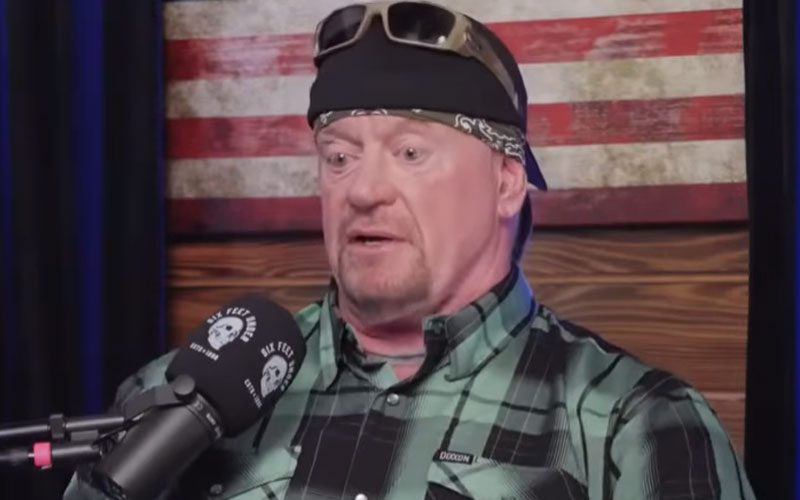
But the story gets so much weirder. Paul London, a high-flyer of incredible talent, was repackaged as one half of this greaser duo. And in a recently resurfaced shoot interview, London revealed a backstage incident that says everything you need to know about the era and the man who ruled its locker room.
The Judge, Jury, and The Deadman
According to London, he was wearing entrance gear that incorporated elements of the Confederate flag. Now, let's pause. Why in God's name would a 1950s greaser gimmick, which is already a stretch, have anything to do with the Confederate flag? It's like putting a pineapple on a pizza and then setting the pizza on fire. The logic just isn't there. It speaks volumes about the lack of oversight from WWE creative and producers at the time.
Someone could have, and should have, put a stop to this before it ever got near a television camera. But they didn't. The people paid to manage the brand, to protect the company from its own worst instincts, were seemingly asleep at the wheel. So who stepped in?
The Undertaker, of course.
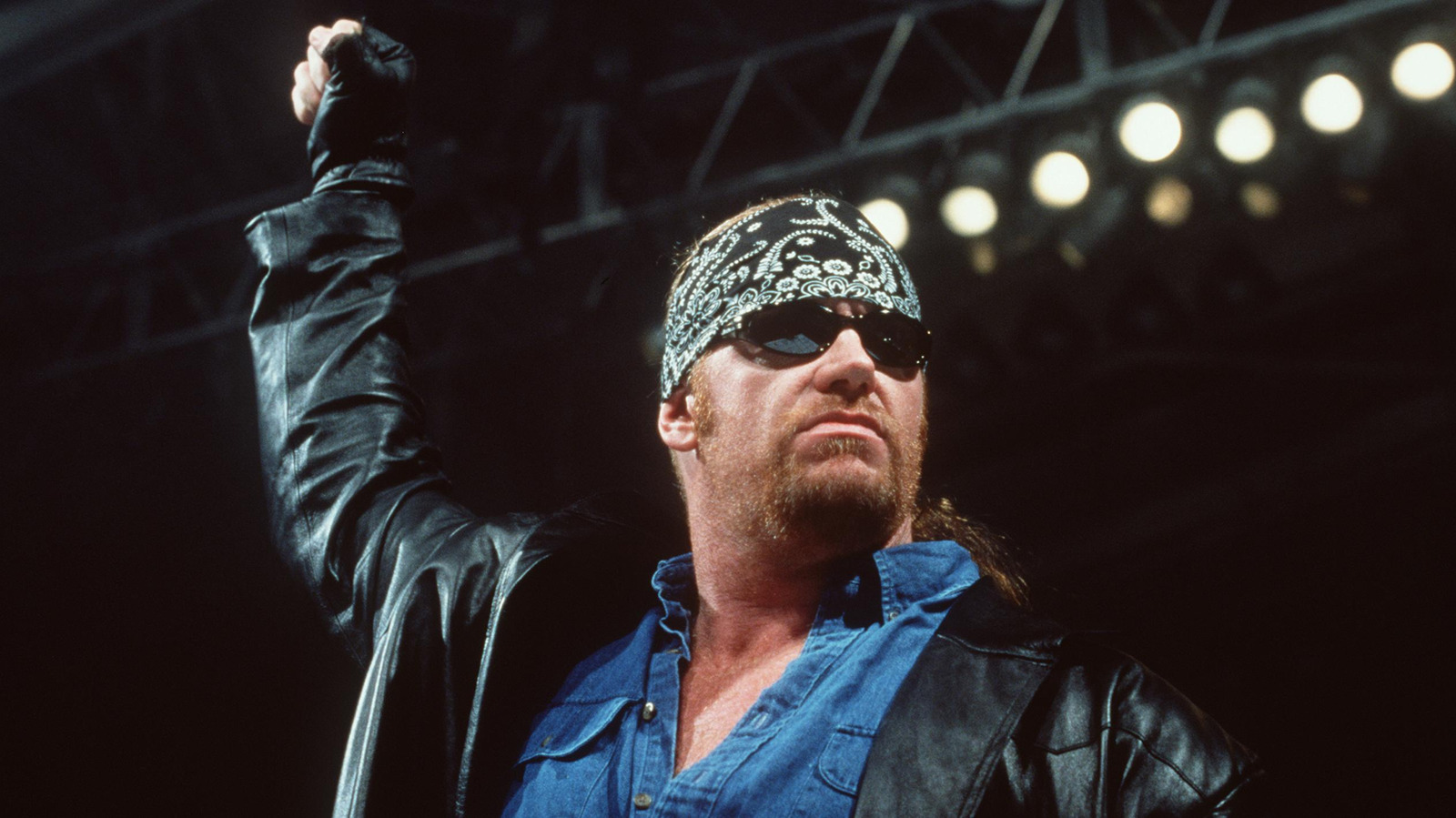
London tells the story of 'Taker, in his full Deadman regalia, pulling him aside and laying down the law. There was no 'wrestlers' court' with a comedy judge like JBL. This wasn't a hazing ritual over a stolen protein bar. This was the conscience of the company, a 6'10" icon in a leather duster, telling a fellow performer that some things were bigger than a stupid gimmick. He told him, in no uncertain terms, to get rid of it. That flag wasn't flying in his locker room.
Wrestling Needed Its Last Sheriff
This story is fantastic because it's not just about a controversial symbol. It's a perfect snapshot of The Undertaker's true role in the WWE for the better part of two decades. He wasn't just a main eventer; he was the final filter. He was the guy who understood the line between edgy television and brand-damaging stupidity better than the executives in their Stamford office tower.
Think about the other absolute nonsense WWE tried to get away with over the years. We had the Muhammad Hassan character, which was torpedoed by a horribly timed angle on the day of the London bombings in 2005. We had Kerwin White, Chavo Guerrero's unbelievably tone-deaf gimmick as a preppy white guy who renounced his Mexican heritage. The company's history is littered with these creative landmines.
"Catchphrases for a new world: 'If it's not white, it's not right.'"
- Kerwin White, WWE television, 2005
How many other terrible ideas were quietly suffocated in the cradle because The Undertaker shook his head and said 'No'? We'll never know. That's the point. His authority was absolute, built on decades of loyalty, five-star matches, and an unmatched respect for the business. When 'Taker spoke, you listened. Vince McMahon might own the company, but The Undertaker owned the locker room.
Who Guards the Guards Today?
It's hard to imagine a single figure holding that kind of sway today. The business has changed. It's more corporate, more sanitized, and the talent is more managed. Roman Reigns is the 'Tribal Chief' on screen and clearly a leader off it, but the structure is different. Everything is HR-approved and filtered through a dozen committees. There's no room for a gunslinger Deadman to enforce his own code.
Maybe that's a good thing. Maybe you don't want one person holding that much subjective power. But when you hear a story like this—where the system failed and a performer's innate sense of right and wrong was the only thing that prevented a PR nightmare—you have to wonder if something was lost.
The Deuce 'n Domino gimmick was terrible, a forgotten relic of a creatively messy era. But the story of Undertaker stepping in to police it is a reminder of his true legacy. It wasn't just about the Tombstone Piledriver or The Streak. It was about being the guardian of a chaotic world, the one guy everyone, from the curtain-jerker to the billionaire owner, respected enough to fear. He had to be the adult in a room full of people playing with fire, and frankly, it's a miracle he didn't have to do it more often.