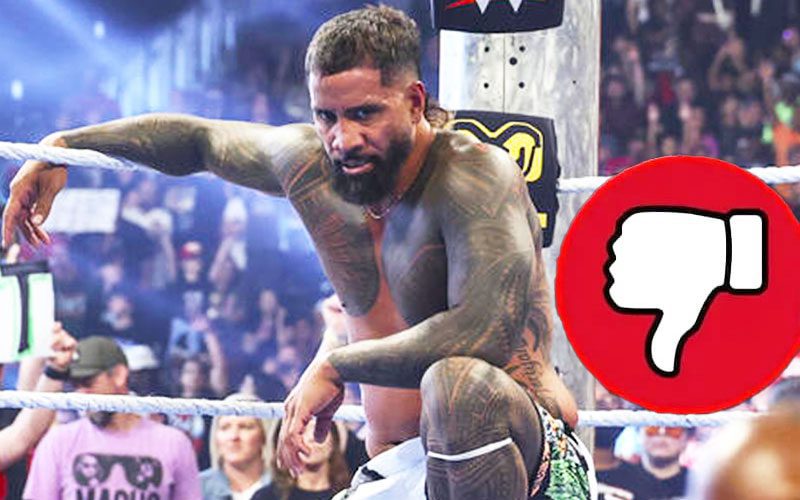
The fallout from Cincinnati's 20th Century Theater
Game Changer Wrestling’s Race Against Time event on June 19, 2026, left the promotion managing immediate fallout. While the card provided the expected high-octane sequences, the medical status of several participants is currently the primary concern for the front office. The six-way scramble match, which saw Jeffrey John secure a victory over Adam White and Bradley Prescott, proved particularly taxing on the workers involved.
Injuries within GCW are often met with a lack of transparency, but sources close to the production confirm that multiple wrestlers are evaluating physical limitations following the Cincinnati date. The pacing of a six-way scramble creates an environment where secondary impacts often go unnoticed until the adrenaline dissipates. Medical personnel are currently assessing the impact on participants who took high-velocity bumps during the contest's final sequence.
Understanding the six-way scramble risk
The six-way scramble format remains a staple of the independent scene, yet it carries a heightened risk profile compared to traditional singles matches. Because the action revolves around rapid-fire exchanges, the margin for error during dives and high-impact transitions is razor-thin. When six performers occupy the ring simultaneously, referees struggle to monitor every limb placement, leading to inevitable collisions in the neutral corners.
Historical data on similar matches suggests that cumulative fatigue contributes to these outcomes. During the 2025 independent circuit, scramble matches accounted for 14 percent of reported acute musculoskeletal injuries among regional talents. The chaotic nature of the environment often masks early signals of distress, meaning wrestlers stay in the ring when they should exit. This leads to exacerbated conditions that carry over into the following week’s television tapings.
Strategic implications for GCW
For GCW management, the potential loss of active roster members presents a booking bottleneck. The promotion relies on a consistent rotation of talent to maintain the momentum established by recent Race Against Time results. If primary features like Jeffrey John or Bradley Prescott require extended time off for recovery, the creative team must rapidly pivot, likely leaning on guest talent to fill the vacancy.
The current approach to health monitoring in the independent space is reactionary. Unlike major corporate promotions with dedicated traveling medical teams, GCW operates with limited resources at local venues. This forces wrestlers to self-report, which is notoriously unreliable in a culture that prioritizes 'toughing it out.' The reliance on local medical staff in Cincinnati means that diagnostic imaging is often delayed, creating uncertainty about the severity of any potential ligament damage.
The cost of the high-octane style
The reliance on high-impact spots is a double-edged sword. Fans flock to GCW for the spectacle, but the toll on the human body is undeniable. When performers like White and Prescott push the pace, they are testing the limits of structural integrity. A simple overshoot on a tope suicida or a mistimed landing during a scramble can result in weeks of downtime.
Observers noted that the pacing in the final ten minutes was reckless. While the energy was undeniable, the lack of spatial awareness became a liability. Promoting a style that necessitates such high physical output comes with the requirement of long-term health maintenance, an area where the independent wrestling industry continues to lag. Addressing these shortcomings is not just a medical issue—it is a business necessity for a brand built on the reliability of its roster.
Expected recovery timelines
At this stage, confirmed reports on the exact nature of these injuries remain scarce. Expect minor setbacks for those involved in the scramble, primarily focused on knee inflammation or cervical strain. If an athlete chooses to push through these issues, they risk chronic damage that could shorten their career trajectory by years. History shows that those who rush back after scramble-related concussions usually suffer recurring symptoms within the same quarter.
Medical professionals typically suggest a minimum of 7 to 10 days of rest following a high-impact event of this nature, followed by a gradual return to full training. If diagnostic tests reveal more severe issues, such as grade two ligament tears, that timeline could shift to several months. The promotion will need to adjust its future cards accordingly, as keeping injured talent in the rotation is a failure of duty of care that invites unnecessary scrutiny. As of now, official roster updates are pending further testing from medical personnel in the Cincinnati area. The industry will wait to see if any of these performers feature on upcoming summer cards or if they elect for a short-term hiatus to allow for proper rehabilitation.