The Medical Reality of April's Grueling Schedule
This past weekend, April 11-12, delivered two major professional wrestling events demanding serious medical scrutiny. TNA Rebellion took over the Wolstein Center in Cleveland. Meanwhile, AJPW launched the Champion Carnival at Korakuen Hall.
As the industry hurtles toward the chaos of WrestleMania 41 next week, the physical toll on performers is reaching a dangerous peak. No catastrophic injuries were publicly disclosed coming out of either event. However, the accumulative trauma sustained by these rosters is a massive medical concern.
We are looking at a weekend that featured veteran performers pushing compromised bodies to the absolute limit. The lack of acute injury reports does not mean these athletes walked away healthy. It simply means the damage was categorized as standard occupational trauma.
AJPW Champion Carnival: The Cost of the Opener
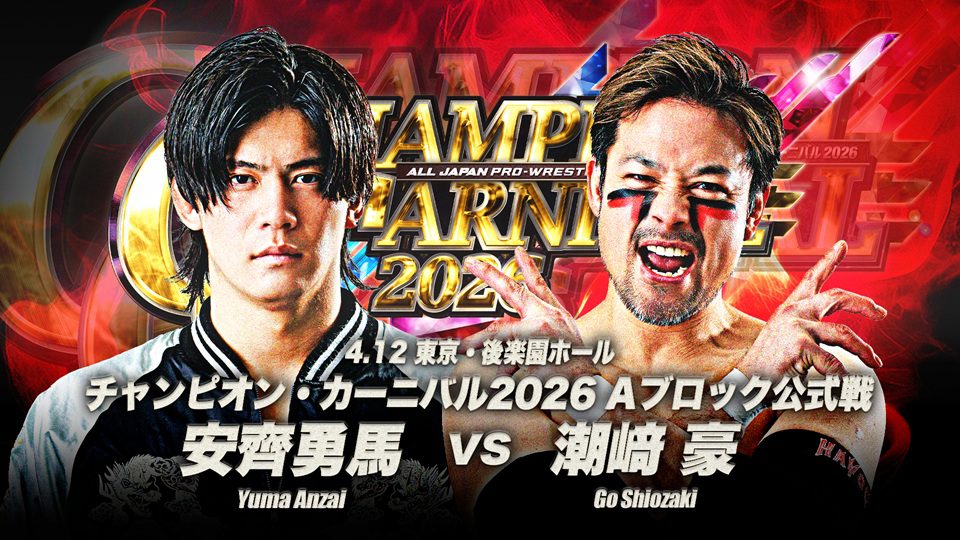
Yesterday, April 12, AJPW aired the first night of the Champion Carnival live from Tokyo. The main event saw Go Shiozaki secure a victory against Yuma Anzai in front of 1,194 fans. From a sports medicine perspective, this matchup was a collision of opposing physiological states.
It matched the battered resilience of a veteran against the elastic recovery of youth. Shiozaki’s victory is an athletic marvel. His medical history is a masterclass in orthopedic survival.
We are talking about a performer who has had his shoulders essentially rebuilt during his career. The repetitive stress placed on his rotator cuffs over two decades of throwing heavy lariats is immense. Every impact sends shockwaves through the acromioclavicular joint.
The chopping exchanges that define AJPW main events result in severe capillary damage. Bruising and localized swelling are immediate. The medical protocol for Shiozaki involves aggressive icing and anti-inflammatory medication.
Targeted physical therapy is required to maintain his shoulder's range of motion. The expected timeline for the resolution of this acute swelling is typically three to five days. But in the Champion Carnival, he does not have that luxury.
Anzai absorbed the brunt of Shiozaki’s offense. The younger wrestler took heavy strikes directly to the upper chest and neck. The primary medical concern for Anzai is cervical strain.
Repeated whiplash motions from lariats stretch the ligaments in the neck. His younger age affords him a faster cellular regeneration rate. Still, the danger of micro-concussions remains incredibly high.
This tournament format highlights a severe flaw in Japanese booking strategies. The schedule is relentlessly brutal. The lack of built-in recovery days compromises the performers.
It dilutes the match quality in the final stages. You cannot expect peak athletic performance from bodies battling severe inflammation. It is a war of attrition that spikes the risk of muscle tears.
Historical Context: The Ghost of Tournaments Past
We have seen this physical script play out before. The historical precedents are grim. Look back at the AJPW Champion Carnival runs in the late 1990s.
The physical cost was devastating. Legends like Mitsuharu Misawa and Kenta Kobashi pushed their bodies through identical schedules. The short-term result was legendary match quality.
The long-term reality was shattered knees and fused vertebrae. The human body does not adapt to this level of trauma. It merely degrades.
Shiozaki is a direct descendant of that 1990s style. Every time he steps into a Carnival match, he battles the ghosts of his mentors' medical charts. Promotions have historically ignored the compounding nature of these injuries.
TNA Rebellion: Veteran Strain and Adrenaline Dumps
Over in Cleveland on April 11, TNA Rebellion presented a different set of physical challenges. During the Countdown to Rebellion, Ryan Nemeth defeated BDE. Nemeth’s athletic background provides him with a solid biomechanical foundation.
But the hard ring canvas at the Wolstein Center exacts a toll. Every flat back bump forces the spine to rapidly compress. It is a brutal environment for the lower back.
Nemeth's victory over BDE required extensive cardiovascular output. Working a countdown show means dealing with a cold crowd, forcing wrestlers to work faster to generate heat. That accelerated pace leads to sloppy footwork, where one misplaced boot can result in a torn Achilles tendon.
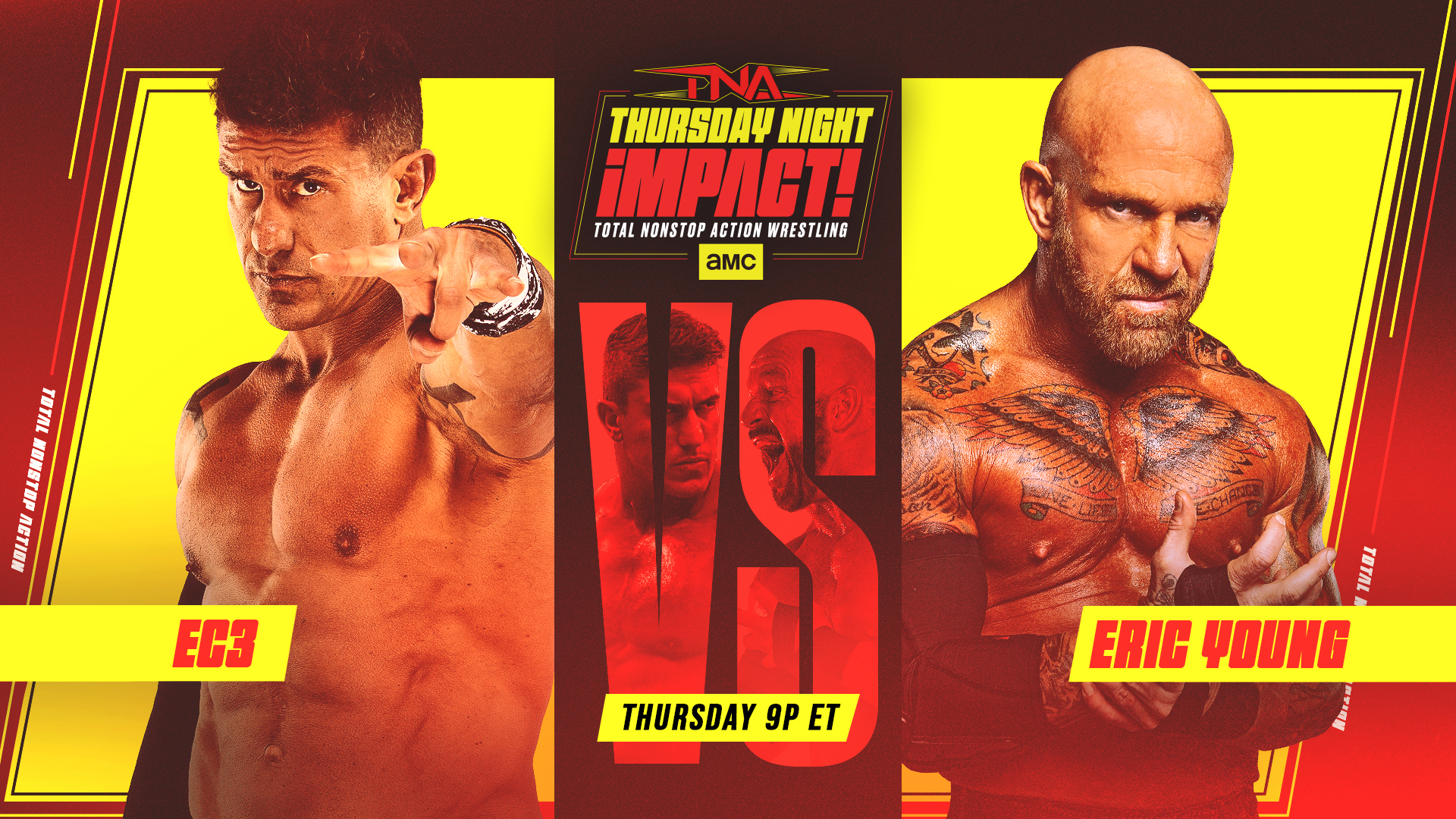
The more pressing medical narrative from TNA involves the veterans. Eric Young interrupted the pre-show panel featuring Carlos Silva, Daria Rae, and Matthew Rehwoldt. Young called out the returning EC3.
Young has endured severe neck and spinal trauma throughout his multi-decade career. Taking bumps at his age requires specialized physical therapy. Spinal decompression and deep tissue massage are mandatory.
Returning to a high-stakes feud with a powerhouse like EC3 elevates his injury risk significantly. EC3 carries immense muscle mass. This changes the physics of how he delivers impact.
EC3 relies on sheer power and lifting maneuvers. When he executes a suplex, he drives his opponent's upper body into the mat with accelerated force. This creates a whiplash effect that travels directly down the cervical spine.
Taking a heavy slam from a densely muscled opponent transfers massive kinetic energy. That energy goes directly into the joints of the receiver. The timeline for recovery from these high-impact clashes is extending.
Ten years ago, a wrestler might shake off a strained lumbar muscle in a week. Today, the accumulated mileage means that same strain requires a month of careful management. Corticosteroid injections are often needed to resolve it fully.
The Broader Impact on the Industry
The broader impact of these grueling schedules is evident globally. We are seeing a divergence in how promotions handle medical oversight. Modern wrestlers possess better access to sports science than ever before.
Cryotherapy chambers and advanced kinesiology taping are standard locker room tools. Medical teams monitor hydration levels constantly. But biology has strict limits.
The human neck was not designed to repeatedly absorb dropping impact from suplexes. The knee joint cannot endlessly sustain the torque of twisting aerial maneuvers. Medical staffs are fighting a losing battle against physics.
They are not preventing injuries. They are merely mitigating the severity of the damage. This weekend’s events prove the physical demands of professional wrestling remain terrifyingly high.
Shiozaki proved he still has the cardiovascular endurance to headline Korakuen Hall. Anzai proved he has the bone density to absorb veteran offense. Over in TNA, Eric Young proved his adrenaline responses are still firing.
The real battle shifts from the ring to the trainer's table. Every taping is a roll of the medical dice. Fans demand high work rates and stiff strikes.
But the human body can only cash so many checks before a joint fails. We will continue to monitor the physical status of the AJPW roster. We will also watch closely to see the fallout from TNA's grueling night in Cleveland.
The human body is a finite resource. Professional wrestling extracts that resource at an alarming rate. The survival of these athletes depends entirely on the ice bags.
The physical therapists waiting behind the curtain are the real heroes. The anatomical cost of this sport remains absolute. The bell will ring again tomorrow.