Surviving the Vegas Marathon
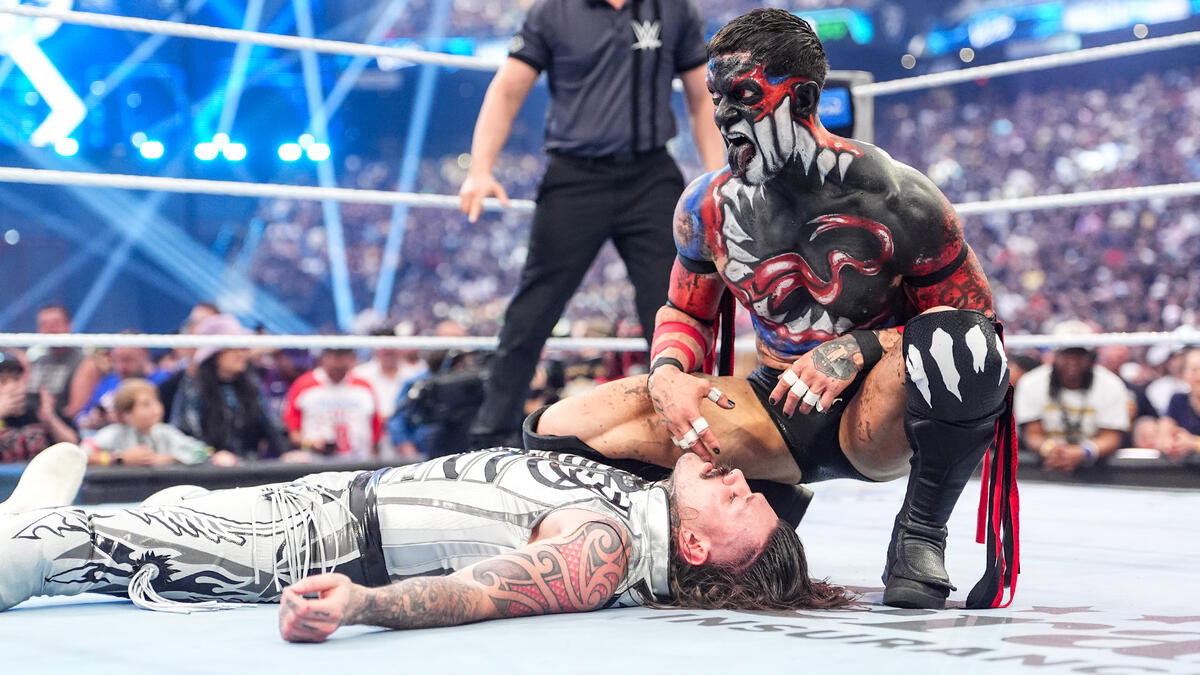
WrestleMania 41 Night 2 is tonight at Allegiant Stadium. The true battleground of the weekend extends far beyond the main roster card. Las Vegas has been transformed into a grueling gauntlet of physical endurance.
Hundreds of wrestlers have subjected themselves to an absurd schedule. The human body is simply not designed to take this much punishment in a 72-hour window.
The reports coming out of events like Josh Barnett's Bloodsport and the AAA showcases at WWE World paint a picture of extreme physical taxation. While no single catastrophic injury has stolen the headlines, the cumulative toll on the talent pool is alarming.
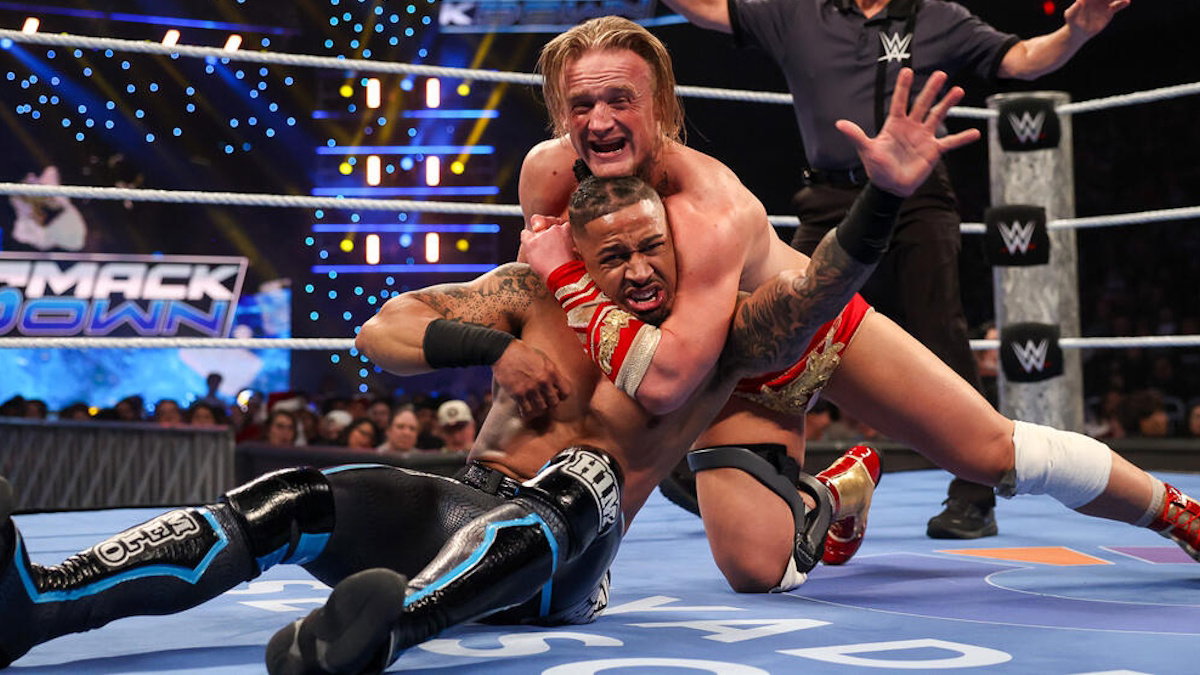
Wrestlers are taping up, ignoring the warning signs, and pushing through structural pain just to capitalize on the weekend's massive financial upside. The medical tents backstage at these events look more like triage centers than athletic training rooms.
The Bloodsport Crucible
Josh Barnett’s Bloodsport presents a unique medical nightmare. Stripped of the ropes and the traditional pacing of professional wrestling, this worked-shoot environment demands a completely different physical output. The mat wrestling and stiff striking exchanges look great on camera, but they wreak havoc on the joints.
When you remove the ropes, you remove the natural braking system of a wrestling ring. Competitors are forced to absorb impact directly onto the canvas or rely entirely on their opponent's base to break falls. We are seeing an increase in acute joint stress, specifically around the AC joint in the shoulder and the MCL in the knee.
The torque applied during the submission grappling sequences places genuine, dangerous stress on connective tissue. A torn labrum means a minimum of six months on the shelf, effectively wiping out the rest of the calendar year.
The human knee can only withstand so much lateral force before a sprain becomes a tear. Wrestlers working Bloodsport on Thursday or Friday are waking up on Saturday with severe inflammation. The timeline for resolving these micro-traumas is typically two to three weeks of aggressive rest.
Nobody is resting this weekend. They are popping anti-inflammatories, wrapping their joints in heavy athletic tape, and heading to their next booking across town. The constant grind prevents the necessary reduction in swelling, meaning these athletes are stepping into their next match with compromised stability.
The Lucha Libre Attrition Rate
On the opposite end of the stylistic spectrum, the AAA stars performing at WWE World are facing a different kind of physiological breakdown. Lucha Libre relies on explosive, high-risk movements that challenge the limits of the human spine and lower extremities. Springboarding, diving, and taking flat back bumps on convention center floors or reinforced rings extracts a massive toll.
Every time a luchador lands from a high-impact aerial maneuver, the kinetic energy has to go somewhere. Usually, it travels straight up the tibia and into the patellar tendon. Over the course of a normal touring schedule, talent can manage this with proper conditioning.
During WrestleMania weekend, a performer might work three different shows in three days. The body completely lacks the time to process the lactic acid or repair the micro-tears in the muscle fibers. We are seeing performers visibly limping through hotel lobbies in Las Vegas.
When AAA stars work a fast-paced exhibition at WWE World, they are doing so on compromised shock absorbers. The risk of a ruptured Achilles tendon or a catastrophic patellar dislocation skyrockets when the muscles surrounding the joint are completely fatigued.
Spinal Compression and Neurological Risks
Beyond the joints, the sheer volume of bumps taken over this weekend creates a severe risk of spinal compression. Every back bump sends a shockwave through the vertebrae. Doing this twenty times a match, three days in a row, compresses the discs in the lower back and neck.
Wrestlers often report a numbness or tingling in their extremities by Sunday morning. This is not a badge of honor. It is a severe neurological warning sign.
Concussion protocols on the independent scene remain woefully inadequate. While WWE has stringent medical checks for their talent, the wild west of the indie shows happening around Las Vegas operates largely on an honor system.
If a wrestler gets their bell rung on a Friday night show, there is rarely an independent medical professional forcing them to sit out their Saturday afternoon booking. They just keep going. It is a dangerous gamble with long-term brain health.
A History of Weekend Casualties
This phenomenon is well documented. The history of WrestleMania weekend is littered with independent wrestlers who flew too close to the sun. We have seen torn biceps, blown out knees, and severe concussions derail promising careers.
These injuries happen simply because a performer wanted to squeeze one more booking into a crowded weekend. The industry has normalized a dangerous level of overwork.
For many independent wrestlers, the money made in these four days can fund their entire year. But at what cost? When a wrestler takes a bad bump at a Friday afternoon convention show because their legs were too heavy to get full rotation, the payday suddenly fails to cover the subsequent surgical reconstruction.
The independent scene acts like a parasite attached to the WWE's massive host organism, feeding on the influx of fans but entirely ignoring the long-term health of the performers they are exploiting. Promoters book talent into the ground for a quick payday, leaving wrestlers physically compromised.
The Required Decompression
So, what happens next? As WrestleMania 41 Night 2 concludes, the entire industry requires a massive physical reset. The expected timeline for resolution isn't measured in days. It's measured in months.
The talent who pushed themselves through Bloodsport, the AAA showcases at WWE World, and the myriad of other indie dates will spend the next week dealing with delayed onset muscle soreness. This soreness borders on the pathological. The soft tissue damage sustained over this 72-hour period mandates dedicated physical therapy.
Ice baths, deep tissue massage, and complete immobilization of stressed joints are mandatory for career survival. If a wrestler ignores this recovery window and attempts to return to a full-time schedule by next weekend, they are playing Russian roulette with their ligaments.
The structural integrity of the roster is currently hanging by a thread. The smart performers will take the rest of April off to rebuild their bodies. The desperate ones will keep working, and they will inevitably break down.
Final Thoughts on the Industry's Blind Spot
Wrestling has always been a business built on ignoring pain. The modern WrestleMania weekend has pushed that mentality to an absolute breaking point. We celebrate the spectacle, but we actively ignore the human cost.
The medical reality of Las Vegas right now is an entire workforce operating at less than sixty percent capacity. It is a reckless model that needs immediate regulation.
Until the industry establishes some form of standardized medical oversight for these clustered weekend events, the risk of a career-ending injury will continue to loom over the festivities. Fans might go home happy, but the wrestlers are going home broken. The human body always keeps the score, and right now, the debt is coming due.