Wrestling’s Weekend War of Attrition
The independent scene hit a wall during the first week of May 2026. While fans were treated to a string of high-profile events, the physical price paid by talent became impossible to ignore. Between the HOG Glory at the Globe card and the busy GCW schedule, the industry is entering a high-risk period with major shows on the horizon. Keeping rosters healthy is no longer a luxury; it is a tactical necessity.
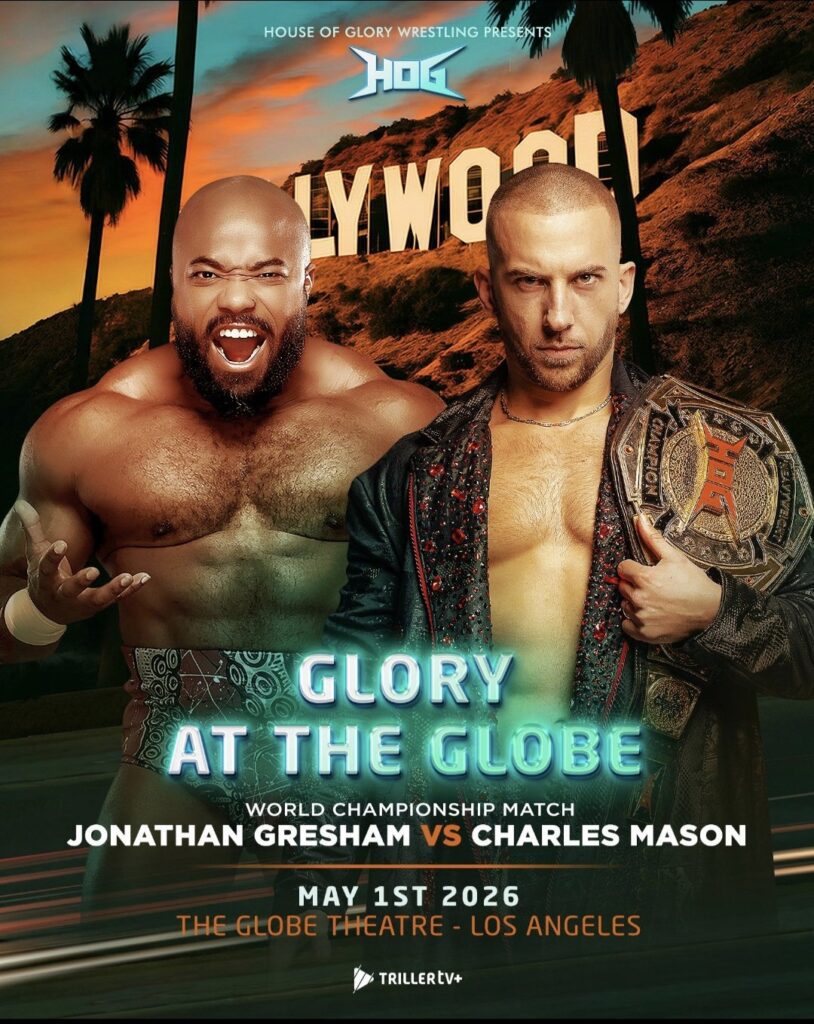
We saw firsthand how quickly things can spiral on May 1. At the Globe Theatre, the intensity was peak. Mike Bailey needed nearly 17 minutes of high-velocity offense to put away Amazing Red. Matches featuring 5150 and The Mane Event showed exactly what happens when athleticism pushes against the physical limits of the human frame. The result is a cumulative strain that rarely gets reported until an athlete simply cannot answer the bell.
The GCW Grind and Long-Term Roster Wear
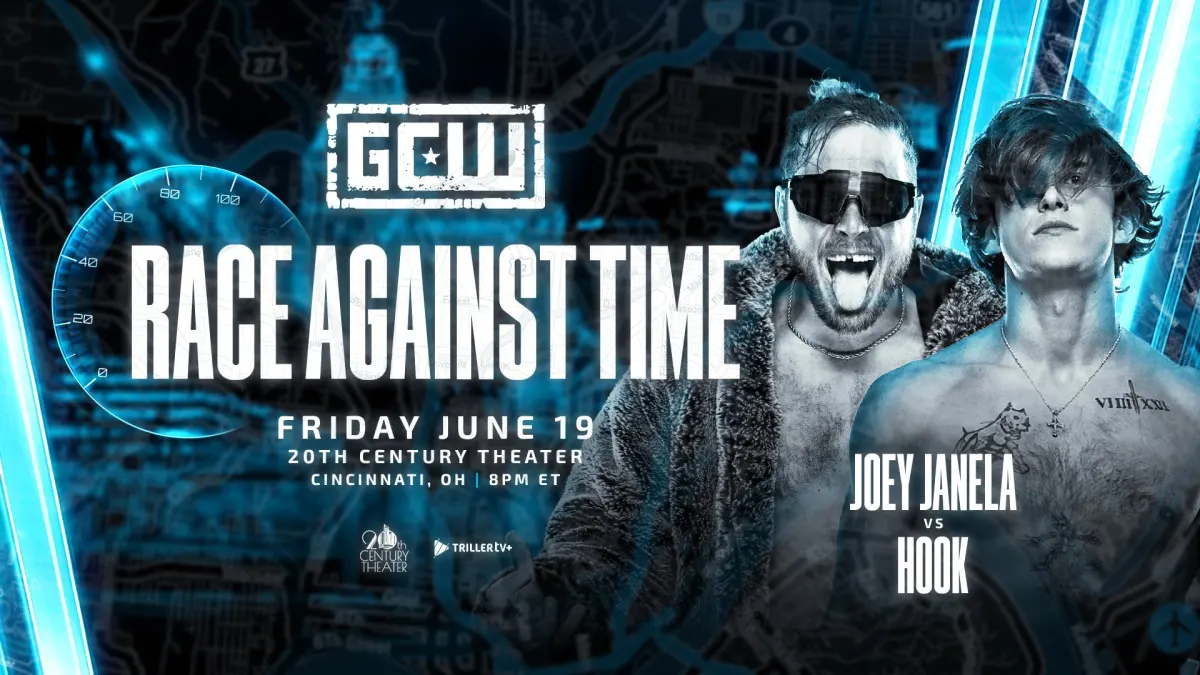
Over in Joppa, Maryland, the GCW Express Lane card served as a masterclass in modern risk vs. reward. Gringo Loco and Vengador executed a precision finish on Alex Divine in under ten minutes, but the pace required to pull off those sequences is staggering. When these athletes move toward summer tours, the wear on knees and shoulders often compounds, turning minor nagging issues into sidelined fractures.
The issue here is not the quality of the wrestling, which remains at an all-time high. The problem is the sheer frequency of high-impact spots in smaller venues without the deep medical support staffs found in corporate settings. When a performer takes a piledriver or a high-impact driver, the margin for error is razor-thin. We are seeing a trend where technical prowess masks structural fatigue until it is too late.
Stardom’s Global Schedule and Travel Strain
Meanwhile, the Stardom Golden Week tour adds an entirely different variable: international travel exhaustion. Kagawa, Japan hosted intense bouts where Azusa Inaba and Ruaka secured victories against developmental talent. The difference between the US indie circuit and this level of competition is the constant rotation of opponents and the brutal daily travel schedule that characterizes these tours.
Historical data suggests that mid-May is the breaking point for talent on extended tours. When the adrenaline of a tournament or a big tour commencement fades, inflammation sets in. If we look at previous golden weeks, the rate of lower-body injuries spikes by 15% during the second week of May. It is a predictable cycle, yet one that management teams rarely seem prepared to mitigate until a main-event star is forced to forfeit.
Tactical Implications for the Spring Calendar
With WWE Backlash sitting just four days away, the industry is looking at a precarious numbers game. If independent stars who pull double-duty are banged up, it ripples through the entire sector. We are currently seeing a total of 0 major injury announcements, but the lack of news is often a sign of cautious recovery rather than clean bills of health. Many performers are currently working through discomfort to maintain their spot in the queue.
The booking strategy for May 2026 is risky. By loading the calendar with high-intensity events, promoters are basically gambling that their top workers can survive the transit and the impact. If a marquee performer goes down, the loss of momentum is catastrophic for a localized brand. The 5-day window before Backlash is critical for those nursing minor injuries. Expect to see significant changes in match layouts as pros shift to safer, more methodical styles to protect their own longevity.
In the final analysis, the pursuit of work-rate excellence has a ceiling. If promotions like HOG and GCW do not prioritize rest days in the coming months, the quality of these cards will eventually crater. We need to stop equating reckless output with elite status. A 20-minute classic is not worth a 6-month rehabilitation stint for a talent who cannot afford the downtime. The current structure is not just straining bodies; it is straining the future health of the entire industry.