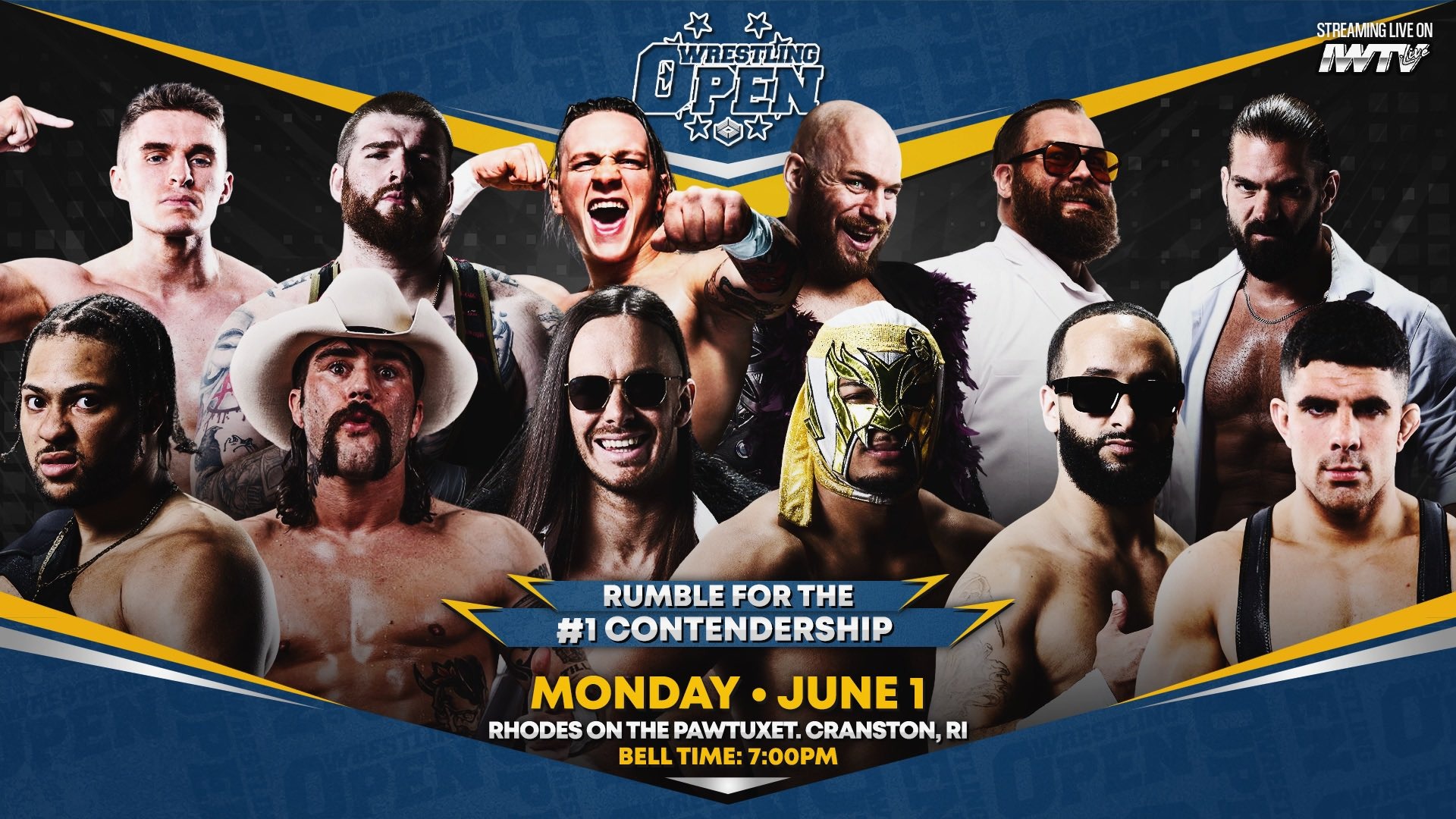
The weekend of May 17 proves wrestling's regional depth

The quiet labor of the mid-card
The global wrestling industry often fixates on the major promotional battlegrounds, but the weekend of May 16 and 17, 2026, served as a stark reminder that the sport’s health is measured in its busiest corners. While major eyes are turning toward the upcoming event on May 24, as AEW Collision demonstrated with a focus on stable rotations, the reality of the business played out in smaller venues from Saitama to Okinawa.
The weekend schedule was a masterclass in regional scheduling. In Japan alone, promotions like Stardom, Dragon Gate, and DDT spread their resources thin. The numbers in Korakuen Hall on May 17, which drew 1,356 fans, highlight that the promotion remains a anchor for Tokyo-based wrestling. Yet, comparing these figures to the 309 fans present at the Naha Cultural Arts Theater for Dragon Gate's Mensore Gate reflects the inherent difficulty of touring in geographically isolated regions.
The economics of the road
The constant churn of these cards is a double-edged sword. On one hand, athletes stay sharp through high-frequency competition. Takahiro Hirakimoto’s performance at the Sumiyoshi Community Center during the 13th edition of Dramatic Dreams proved that even pre-show six-man tags contribute to a wrestler's development. His trio secured victory in 9:04, a duration that suggests a brisk, high-impact style designed to minimize recovery time between shows.
However, the booking itself remains highly volatile. Look at the GCW Gateway to Death 3 results from May 16. A Fatal 6-Way in 10:29 is an exercise in chaos management, not tactical wrestling. While these spots generate viral highlights, they strip away the narrative tension required to build lasting stars. When you rotate through six wrestlers in under 11 minutes, the audience rarely gets the chance to breathe, let alone invest in a specific character arc.
The booking vacuum in non-major markets
There is a glaring issue regarding how promotions handle their undercards outside of major metropolitan hubs. Wrestling in Okinawa, for instance, faces a unique struggle. Dragon Gate’s May 16 turnout of 292 fans, even with high-level talent, signals that frequency is not a substitute for promotion. If the match quality is stellar—such as the 8:46 tag match between Paradox and Natural Vibes on the 17th—but nobody is in the seats to see the follow-through, the talent’s momentum hits a ceiling.
We see this contrast clearly when observing AJPW's Champion Carnival finale on May 17. The Ota Ward City Gymnasium hosted 3,055 people, a significantly higher draw than the smaller regional house shows of the same weekend. It confirms the long-standing rule: major stakes demand major venues. Go Shiozaki winning the block final suggests that AJPW understands the need for gravity in their main events, even if their mid-card struggles to find the same level of consistent engagement.
The talent exhaustion trap
The most concerning trend is the reliance on recurring talent across multiple independent banners. Between GCW’s Iowa stop, DDT’s Osaka tour, and the various Stardom events, there is a lack of sustainable pacing. The physical toll of these schedules is not just theoretical; it’s visible in the transition from technical matches to spot-heavy spectacles.
The TJPW card in Shizuoka on May 16, while intimate at 237 fans, provided a necessary breather from the larger, high-density cards. Shion Kanzaki’s match against Wakana Uehara lasted 7:59, which allowed for technical sequences that simply cannot exist in the frantic 4-10 minute windows favored by larger touring rosters. If the industry continues to prioritize speed over structure in its secondary programming, the fan base will eventually stop anticipating the finishes because everything will begin to feel interchangeable.
We are witnessing a period where the sheer volume of wrestling is outpacing the meaningful development of the workers themselves. Without a shift toward tighter, more purposeful booking in these secondary tiers, the product risks becoming a treadmill. Quantity is high, but the 1,721st episode of Raw on May 18 serves as a reminder that even the biggest stage needs a compelling reason for the audience to tune in, not just a consistent weekly delivery of matches.
More Coverage
SummerSlam 2026 is setting up to be a total trainwreck in all the right ways
36 minutes agoSummerSlam 2026 is a massive gamble that could blow up in Triple H's face
37 minutes agoSummerSlam 2026 is a weird, disjointed, and mostly brilliant mess
39 minutes ago
The Long, Loud Farewell of Chris Jericho
an hour ago
Stipulations are turning this weekend into a booking chaos simulator
5 hours ago
Top 10: The Defining Moments of Modern Wrestling
6 hours agoMore Analysis

Japanese wrestling is currently stuck in a weird purgatory
1 month, 4 weeks ago
NJPW and DDT are stuck in a creative stalemate
1 month, 1 week ago
The chaotic impact of independent circuit injuries on May 2026 bookings
2 months, 2 weeks agoLas Vegas is currently the unlikely center of the wrestling universe
3 months ago
The grit of tournament season is burning out the rosters
2 months, 3 weeks ago