The June Deadline
The date is locked in. On Monday, May 18, Pro Wrestling Noah officially announced the second annual Wrestle Magic. The pay-per-view will broadcast live on Wrestle Universe on June 15. The venue is none other than Tokyo's legendary Korakuen Hall.
Fans immediately react to the spectacle. The medical staff reacts to the timeline. A major June date means the locker room has exactly 26 days to patch up lingering damage.
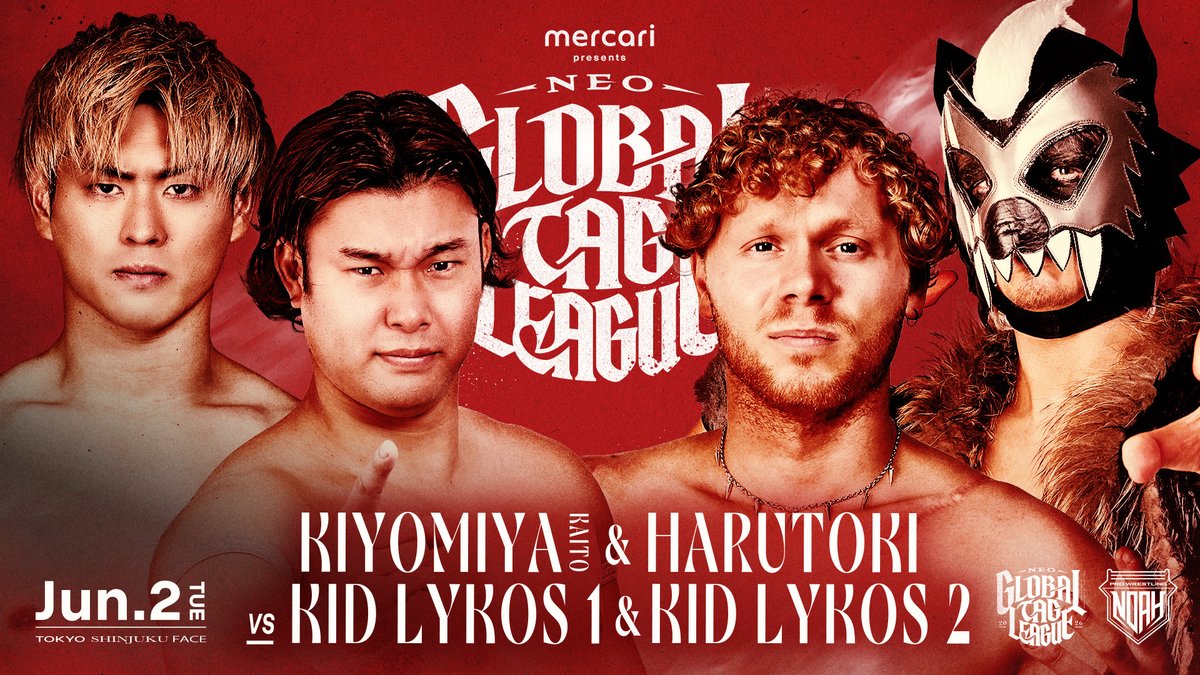
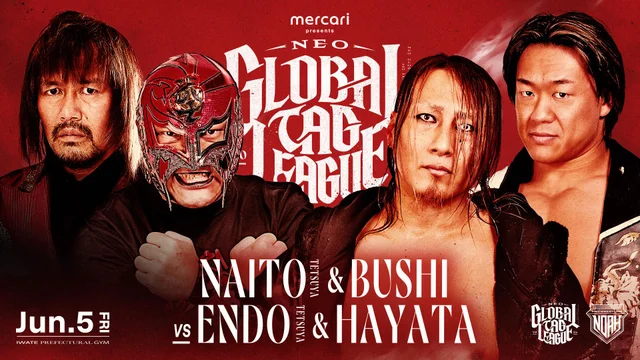
Two bouts are already official for the card, anchored by a six-man tag team match. While the press release offered zero injury updates, silence from the front office rarely means a healthy roster. In the brutal environment of Japanese professional wrestling, being cleared to compete is a very loose medical term.
The Deceptive Safety of the Six-Man Tag
At first glance, a six-man tag team match looks like a night off. The ring time is split three ways. An athlete might only work five active minutes before tagging out. But sports medicine tells a different story.
Multi-man matches are chaotic. The ring is crowded. Referees lose control of the action, leading to bodies flying indiscriminately. A standard one-on-one bout allows for controlled pacing. A six-man tag at Korakuen Hall usually devolves into a sprint.
When athletes sprint, mechanics break down. A wrestler executing a suicide dive in a singles match knows exactly where their opponent stands. In a six-man scramble, that same dive often ends in a collision with an unintended target or the unforgiving floor.
Korakuen Hall: A Medical Nightmare
Korakuen Hall holds a mythic status among wrestling fans. Among orthopedic surgeons, it holds a reputation for destroying joints. The venue is intimate, loud, and incredibly tight.
The space between the ring apron and the front row is minimal. Worse, the floor provides almost zero shock absorption. When a heavyweight athlete takes a backdrop to the outside at Korakuen, the kinetic energy does not disperse. It travels directly into the lumbar spine and the patellar tendons.
We have seen careers shortened in this exact building. Knees shatter on the thin mats. Concussions multiply when heads strike the steel barrier. Preparing for a June 15 show here means preparing for blunt force trauma.
The Physiology of the Ark Style
Pro Wrestling Noah was founded on the Ark Style of competition. This translates to stiff strikes, high-angle suplexes, and relentless pacing. It is visually stunning. It is medically catastrophic.
Taking a stiff forearm to the jaw repeatedly causes micro-concussions. The brain rattles against the skull, even if the athlete never loses consciousness. Over a training camp leading into Wrestle Magic, these sub-concussive hits accumulate.
Then there is the neck. The King's Road lineage that heavily influenced Noah relies on dropping opponents directly on their upper shoulders and cervical spine. The human neck is designed to support the weight of a head, not the combined impact of two adult bodies crashing downward.
Every suplex compresses the discs in the neck. Over time, this leads to stenosis, numbness in the arms, and a severe loss of grip strength. When a Noah wrestler steps into the ring on June 15, they are likely managing constant nerve pain.
The Wrestle Universe Pressure Cooker
Airing on Wrestle Universe adds another layer of danger. Pay-per-view events demand peak performance. Fans pay premium prices, and they expect premium violence.
This creates a dangerous psychological environment. An athlete dealing with a grade-two ankle sprain might normally wrestle a safe, mat-based match on a standard touring show. On a major Wrestle Universe broadcast, that same athlete will tape the ankle and attempt a high-risk top-rope maneuver.
This is where Noah's management deserves heavy criticism. Announcing these major matches nearly a month in advance locks the talent into a corner. If someone gets hurt in late May, pulling them from a highly advertised Korakuen card is a logistical nightmare. The promotion rarely protects the wrestlers from their own ambition. The pressure to deliver forces broken bodies to perform under impossible conditions.
The Medical Reality of Japanese Touring
Unlike seasonal sports, professional wrestling has no off-season. The Noah roster has been grinding since January. By the time June 15 arrives, the cumulative fatigue will be massive.
Fatigue is the primary driver of catastrophic injury. When the central nervous system is exhausted, reaction times drop by fractions of a second. In a sport where tucking your chin a millisecond too late results in paralysis, fatigue is lethal.
Trainers spend the weeks before a show like Wrestle Magic engaging in aggressive damage control. Ice baths, cortisone injections, and kinesiology tape become the daily diet. The goal is no longer achieving peak fitness. The goal is simply surviving until the bell rings.
Historical Precedent and Future Risks
History provides a grim look at what happens when wrestlers push too hard for major shows. We have seen torn biceps from simple clotheslines. We have seen blown Achilles tendons from basic step-ups to the middle turnbuckle. The body does not snap because of one bad move. It snaps because of a thousand accumulated impacts.
As the June 15 date approaches, the medical watch is on. Every touring show between now and then is a minefield. The six-man tag participants must navigate this minefield while maintaining their physical edge.
Younger talent might bounce back quickly from a bad landing. The veterans on the roster do not have that luxury. Their joints are calcified. Their cartilage is gone. They rely on muscle memory and adrenaline to get through twenty-minute matches.
Recovery Windows and Return Timelines
When injuries inevitably occur during this prep period, the return timelines are aggressively shortened. A normal athlete requires a minimum of six weeks to recover from a moderate joint sprain. In Noah, that timeline is often compressed to a matter of days.
This rush back to the ring creates a cycle of chronic damage. A sprained ankle leads to compensating movement patterns. The wrestler shifts their weight to the healthy leg, which then places undue stress on the opposite knee. This chain reaction is why we see so many consecutive lower-body injuries on the same roster.
By failing to address this cycle in their long-term scheduling, Noah is setting their talent up for failure. A major show like Wrestle Magic should be a showcase of peak athletic ability. Instead, it often functions as a test of pain tolerance.
The medical staff can only do so much with tape and therapy. Ultimately, the booking schedule dictates the health of the roster. Until that schedule changes, the injury report will continue to be the unspoken shadow hanging over every major announcement.
The Final Stretch to Tokyo
Pro Wrestling Noah has successfully built hype for Wrestle Magic 2. The announcement achieved its goal of generating buzz across social media. But the quiet reality in the locker room is much darker.
Over the next four weeks, muscles will tear. Joints will swell. The medical staff will work overtime to keep the roster functional. Korakuen Hall awaits, and it demands a heavy toll. Fans will tune in for the magic on June 15, completely unaware of the physical nightmare required to produce it.
Wrestling is billed as entertainment. The injuries, however, are entirely real. The road to Tokyo is paved with ice packs and anti-inflammatories. The real question is whether the roster can survive the journey intact.