The quiet death of the obligatory legend pop
If you read between the lines of Jimmy Hart's recent comments regarding Hulk Hogan's final backstage appearance, a harsh reality starts to form. The era of the mandatory nostalgia pop is officially over.
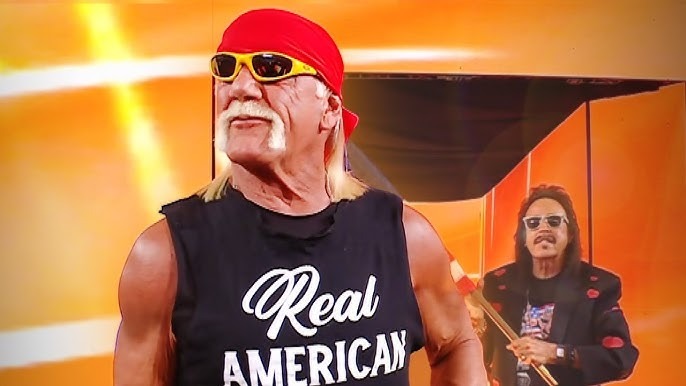
For the better part of two decades, Vince McMahon relied on a very specific crutch. Whenever a major premium live event needed a shot of mainstream legitimacy, or simply a cheap roar from the crowd, out came the red and yellow.
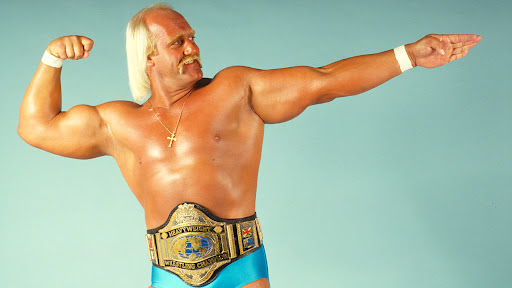
Hogan would hit the stage, flex for the hard camera, drop a tired catchphrase, and leave. It was a formula that worked brilliantly in 2005. It still mostly worked in 2014.
But under Paul Levesque's creative control, the company has ruthlessly optimized its television time. Every single segment is designed to advance a current storyline or build a future main eventer.
Hart's recollections of that final backstage environment tell us exactly how the temperature in the room has changed. The deference to history is still there, but the sheer desperation to put an aging legend on camera is completely gone.
There is no longer a panic-button mentality in the gorilla position. WWE simply does not need Hogan's historical star power to sell out stadiums anymore.
The data behind the nostalgia shift
Let's look at the actual quarter-hour viewership data over the last three years. The math on these returning legend appearances has completely flipped.
During the ThunderDome era and the immediate return to live crowds, tossing a Hall of Famer onto Raw usually guaranteed a bump of around 150,000 viewers for that specific segment.
By late 2024 and throughout 2025, that ratings bump completely evaporated. When an older legend appears without a direct tie to a modern storyline, the live audience treats it as a bathroom break.
Modern wrestling fans are conditioned to care about long-term episodic storytelling. They are deeply invested in the Bloodline saga. They are tracking Cody Rhodes' title reign week by week. They want to see the fallout from WrestleMania 41.
A five-minute promo segment that exists purely for a nostalgia hit actually disrupts the pacing of a modern Triple H show.
Levesque looks at the minute-by-minute retention metrics. He knows exactly when viewers change the channel. The data clearly shows that pausing a white-hot angle to let an 80s icon wave to the crowd actively hurts the retention rate heading into the final hour.
This is exactly why WrestleMania 41 in Las Vegas felt so distinctly different from previous milestone events. The show was massive. Allegiant Stadium was packed to the rafters.
John Cena began his official farewell tour. CM Punk wrestled a highly promoted, physically demanding match. The card was loaded with star power, but it was all relevant, active star power.
Hogan was nowhere to be found on the main broadcast. There was no random backstage comedy segment. There was no unannounced walk-out to interrupt a mid-card heel promo.
That glaring omission was not an accident. It was a calculated statement of intent from the new management.
Where Triple H is getting it wrong
However, this ruthless shift toward modern storytelling is not without its casualties. While phasing out the 80s acts makes sense on paper, WWE's current approach to utilizing its history feels incredibly sterile.
Look at how they handled the Slammy Awards or recent anniversary episodes of Raw. Instead of integrating legacy names naturally, they often shove them into awkward, heavily scripted backstage segments.
The spontaneity is completely gone. During the Attitude Era or even the early 2010s, a returning legend felt like a chaotic anomaly. You never knew what they might say or who they might attack.
Now, everything is aggressively micromanaged. If a veteran does manage to secure television time, they are forced to recite incredibly robotic dialogue designed to plug a sponsor or shill a Peacock documentary.
This is Levesque's biggest weakness as a television booker. He is so obsessed with controlling the overarching narrative that he suffocates the natural unpredictability that made professional wrestling fun in the first place.
If Jimmy Hart's stories tell us anything, it is that the backstage environment is now more corporate than a regional banking seminar. The wild west atmosphere is entirely dead.
By sanitizing the television product to this extreme degree, WWE ensures their broadcasts run strictly on time. But they also guarantee we will never get another genuinely shocking, unscripted moment from a legacy talent.
There is a massive middle ground between Vince's desperate nostalgia grabs and Triple H's absolute sterilization of the past. Right now, WWE is failing miserably to find it.
The new nostalgia window
The core concept of the WWE legend has officially shifted to a totally new generation. The fans filling arenas right now grew up heavily on the Ruthless Aggression era.
When WWE wants a cheap reaction in 2026, they do not call the guys who main evented WrestleMania 3. They call the guys who main evented WrestleMania 21.
Batista, Randy Orton, and Edge have quietly become the new standard-bearers for nostalgia. John Cena is currently absorbing all the available oxygen in the room with his ongoing retirement tour.
In two short years, Roman Reigns will smoothly transition into that exact same elder statesman role. The nostalgia window has permanently moved forward by twenty years.
Hogan represents a distinctly older version of professional wrestling that the current target demographic simply does not connect with on a visceral level.
They respect the historical significance. They instantly recognize the entrance music. But they are absolutely not buying premium live event tickets to see it.
Jimmy Hart understands the brutal business of professional wrestling better than almost anyone breathing. His recent stories about the backstage vibe indicate a clear awareness that the spotlight has permanently moved on.
You do not hear complaints or lingering bitterness in Hart's retelling. You just hear the cold reality of an entertainment industry that has finally outgrown its reliance on the past.
My prediction for the rest of 2026
I am making a hard, unwavering prediction right now. We will not see Hulk Hogan make a live, in-ring appearance on WWE television or a Premium Live Event for the entirety of 2026.
He will not be booked for SummerSlam. He will not pop up at a massive Saudi Arabia stadium show just to cut a generic promo. The physical walk-outs are entirely finished.
WWE might still produce high-quality video packages highlighting his career. They will absolutely keep moving his classic merchandise on WWE Shop. The vintage branding is functionally immortal.
But the days of allocating ten minutes of live broadcast time to a slow Hogan appearance are dead and buried.
Levesque has meticulously built a roster that draws organically. Cody Rhodes, Gunther, Rhea Ripley, and Bron Breakker are the television assets that actually matter right now.
Throwing Hogan onto a stacked card in 2026 would feel like a massive step backward for a product that is desperately trying to modernize its global presentation.
The company finally possesses the confidence to let its current, full-time stars carry the entire load. They frankly don't need a red and yellow safety net anymore.
Some older fans might be disappointed to realize they have seen the last of the leg drop on a grand stage. But purely from a booking perspective, this is the absolute healthiest the company has been in decades.
The television product is finally looking relentlessly forward instead of constantly staring in the rearview mirror.
Read Next
- Hogan’s final curtain call was a self-inflicted glitch in the Matrix
- Hulk Hogan's final WWE appearance was always going to end in disaster
- John Cena teaming with Eric Andre is his smartest post-WWE move yet
- Why Sami Zayn is the perfect threat to Trick Williams' title reign
- 🏆 WrestleMania 41 — Full Coverage Hub