The legacy model that refused to deprecate
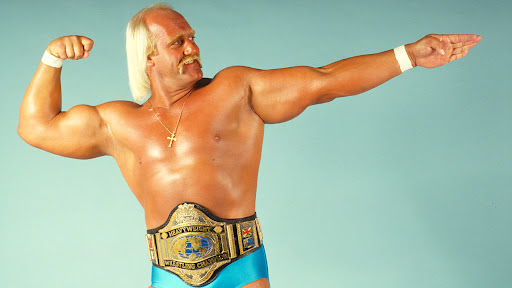
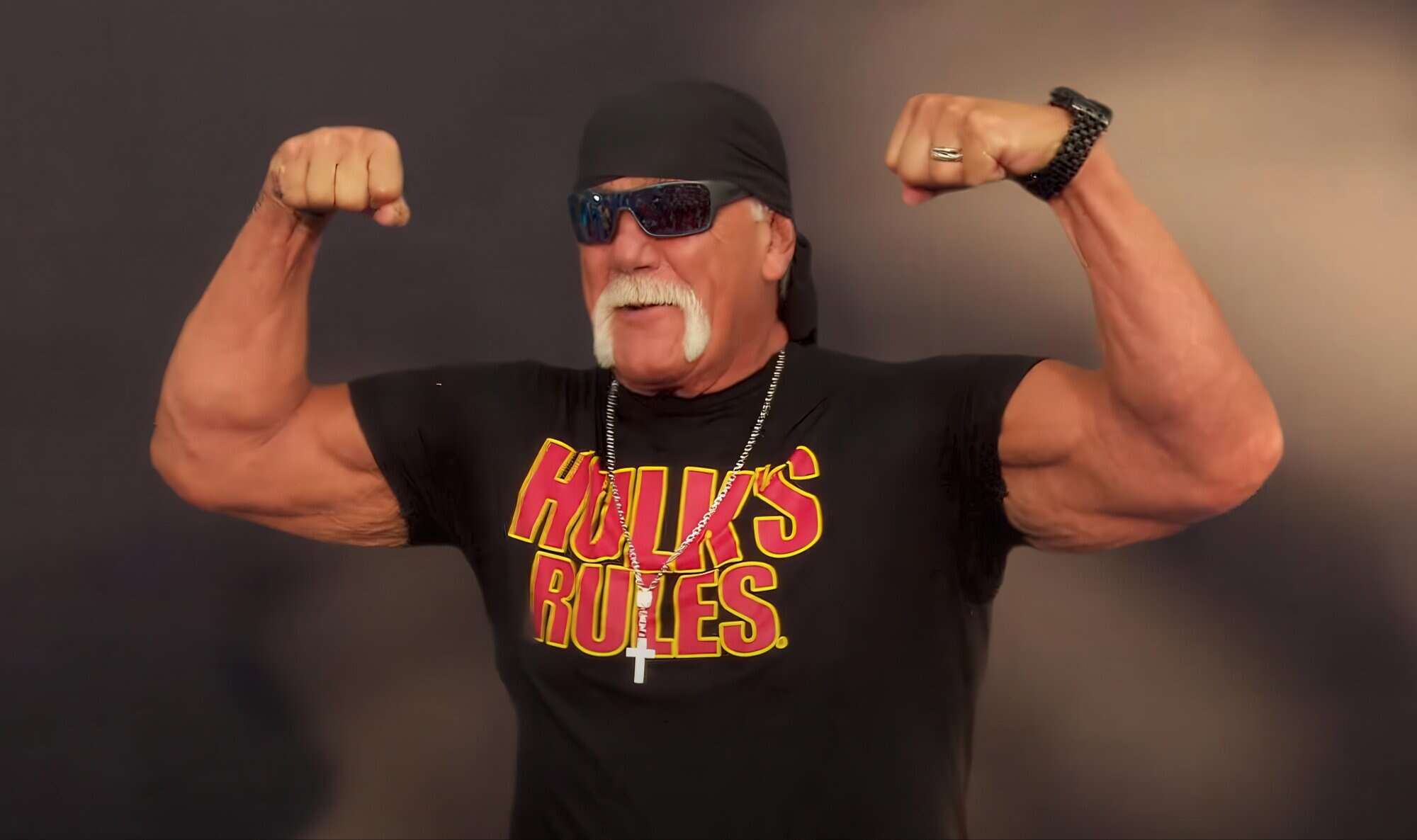
If you have spent any time in the r/Wrestling threads lately, you know the discourse surrounding Hulk Hogan has moved past the usual 'mount rushmore' debates and into something far more clinical. It is like watching a community of developers try to debug a piece of legacy code that keeps crashing the entire server. You want to respect the original architecture, but the current implementation is so riddled with errors it is almost unrunnable.
Jimmy Hart just sat down with Cody Rhodes on the What Do You Wanna Talk About? podcast, and the details he dropped about Hogan’s final WWE appearance are the closest thing we have to a post-mortem on the Hulkamania brand. We aren't just talking about a legend getting old; we are talking about a total failure to read the room during the most high-stakes transition in the history of the business.
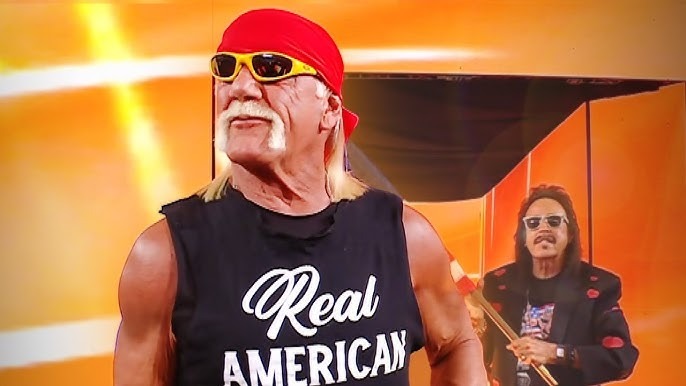
The setting was the Netflix Raw premiere in Los Angeles on January 6, 2025. This was supposed to be the moment WWE officially moved into the streaming era, a polished, high-fidelity relaunch of the flagship show. Instead, according to Hart, the backstage atmosphere was a chaotic mess of political tension and looming regret that feels more like a Shakespearean tragedy than a wrestling promo.
The warning that fell on deaf ears
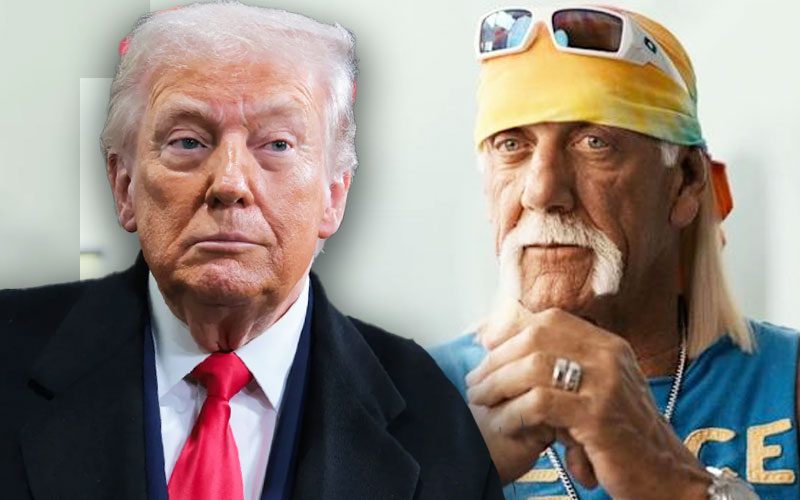
Jimmy Hart revealed that the trouble started long before they hit the arena. Hogan was rocking a Trump-Vance T-shirt during pre-tapes in California, and Hart—who has spent four decades being the ultimate hype man—actually tried to play the role of a safety filter. He told Hogan,
"You know where we’re going—we’re going to California... I don’t like this."
Hogan’s response was the quintessential 'trust the process' arrogance that defined his career. He told Jimmy not to worry about it. But when they arrived at the arena and fans started shouting that they didn't like him anymore, the reality of the situation finally started to sink in. Hart says Hogan looked at him backstage and admitted he didn't feel good about the vibe. It is a rare moment of vulnerability from a man whose entire public persona was built on being an invincible superhero.
The most fascinating technical detail from the interview involves Triple H. Backstage, 'The Game' wasn't worried about the shirt or the politics—he was worried about the optics of the brand. His one specific instruction to Jimmy Hart was:
"Jimmy, whatever you do, don't let that flag touch the ground."This is the kind of micro-management you only see when the higher-ups know they are dealing with a volatile asset.
Community Take: The 'Separation of Art and Artist' Fallacy
On the major forums, the reaction to these revelations has been a split between the die-hards who think Hogan deserved better and the skeptics who think he finally found the limit of his charisma. One user, PythonSuplex88, posted a take that gained massive traction: "Hogan thought he could use the 1984 'Real American' prompt in a 2025 environment and get the same output. He ignored the local variables. You can't walk into Los Angeles wearing that gear and expect a hero's welcome just because you have 24-inch pythons."
Another perspective from the Cagematch regulars argued that the Triple H instruction was the most telling part. "Triple H knew Hogan was cooked," wrote user BookingGod420. "Telling Jimmy to hold the flag up wasn't about patriotism; it was about ensuring that if the crowd turned, the flag didn't become part of the disaster. It was a containment strategy for a leaking reactor."
The ratings vs. the reality
Perhaps the most 'Hogan' moment of the entire story happened after the segment. Despite being showered with some of the heaviest boos in the history of the Staples Center, Hogan’s first instinct backstage was to look at the numbers. He told Hart,
"Hey, the ratings were good on that segment we did."
This is the ultimate defensive move for any legacy talent. If the engagement metrics are high, the quality of the engagement doesn't matter. But even Hogan couldn't ignore the fallout forever. Hart pushed him on the 'commotion' outside, and Hogan finally gave a somber acknowledgment of his choices, saying he had made his bed and had to lie in it. He knew he had alienated a massive chunk of the audience he spent forty years building.
From a technical standpoint, this was a failure of brand alignment. WWE was trying to pitch Netflix on a global, forward-looking product. Having a legend walk out to a chorus of boos while trying to shill 'Real American Beer' was a regression. It felt like a bug that should have been patched out during the beta phase of the Netflix move.
Community Take: The 'Go Away Heat' Finality
The skeptics on Reddit have been brutal about this 'ratings' defense. A top-rated comment on r/SquaredCircle read: "Hogan bragging about ratings after getting booed out of the building is like a dev saying the app didn't crash because people stayed on the error screen for 10 minutes. They weren't watching because they liked it; they were watching the train wreck."
There is also a growing segment of the fanbase that feels for Jimmy Hart in all of this. "Jimmy is the ultimate worker," wrote user MouthOfTheSouthFan. "He’s 80 years old and he’s out there waving a flag so hard he’s nearly ripping his arms out of his sockets because he was told not to let it touch the ground. He was the only one trying to save that segment from itself."
Analysis: Why the 'Real American' prompt finally broke
If we look at this through the lens of performance, Hogan’s final act was a case of model drift. He was still using the weights and biases from the 1980s wrestling boom, where being a 'Real American' meant one specific thing. In 2025, that phrase had been hijacked by a dozen different subcultures, and Hogan chose to align himself with the most polarizing one right before a major corporate launch.
The tragedy isn't that he had political opinions; the tragedy is that he thought his 'Legend' status would act as a universal override for any negative feedback. It was a massive miscalculation. Triple H’s focus on the flag shows that the office knew the Hogan brand was no longer a reliable asset. They were just trying to minimize the damage to the surrounding scenery.
One critical observation that often gets lost in the nostalgia: Hogan’s insistence on these segments took oxygen away from the talent that actually had to carry the Netflix era. We spent 15 minutes on a beer commercial and a political statement when we could have been establishing the next generation of stars for the streaming audience. It was a selfish final play from a man who never quite learned how to pass the torch without burning the house down.
The Final Verdict
The enthusiasts will always have the 1987 tapes. They will always have the slam on Andre and the NWO turn. But the 2026 perspective on Hogan is increasingly defined by this messy, uncomfortable finale in Los Angeles. Jimmy Hart’s story doesn't just fill in the gaps; it confirms what many of us suspected: the greatest star in the history of the business died knowing he had lost his grip on the very people who made him.
The debate between the 'Separate the Art' crowd and the 'Accountability' crowd isn't going anywhere. But as we head into AEW Dynasty 2026 this weekend, it is a stark reminder of how quickly a legacy can glitch when it loses its connection to the current environment. Hogan made his bed, and the wrestling world is still trying to decide if they want to keep it in the guest room or throw it in the trash.