The Hand Grenade in the Press Room
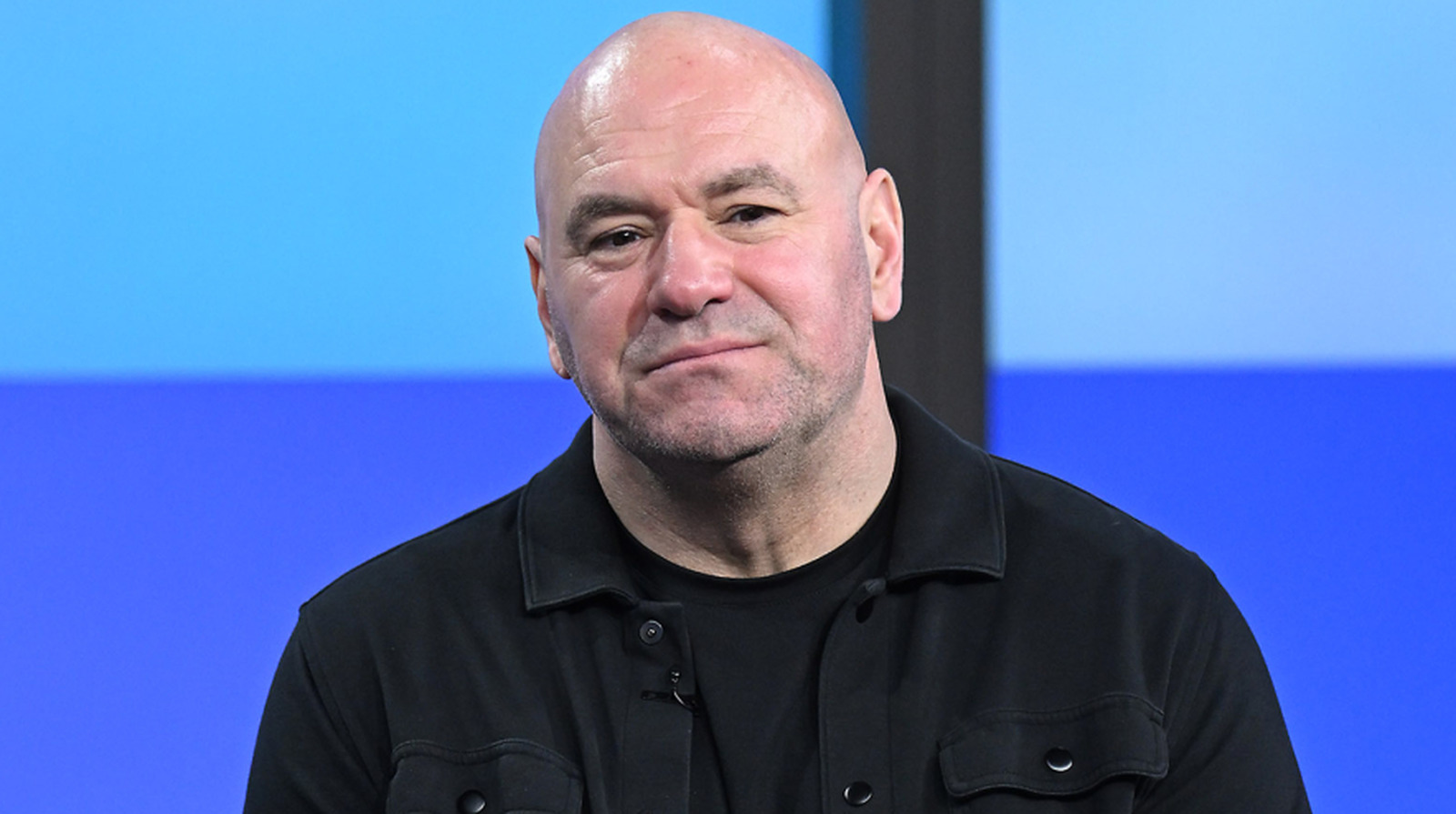
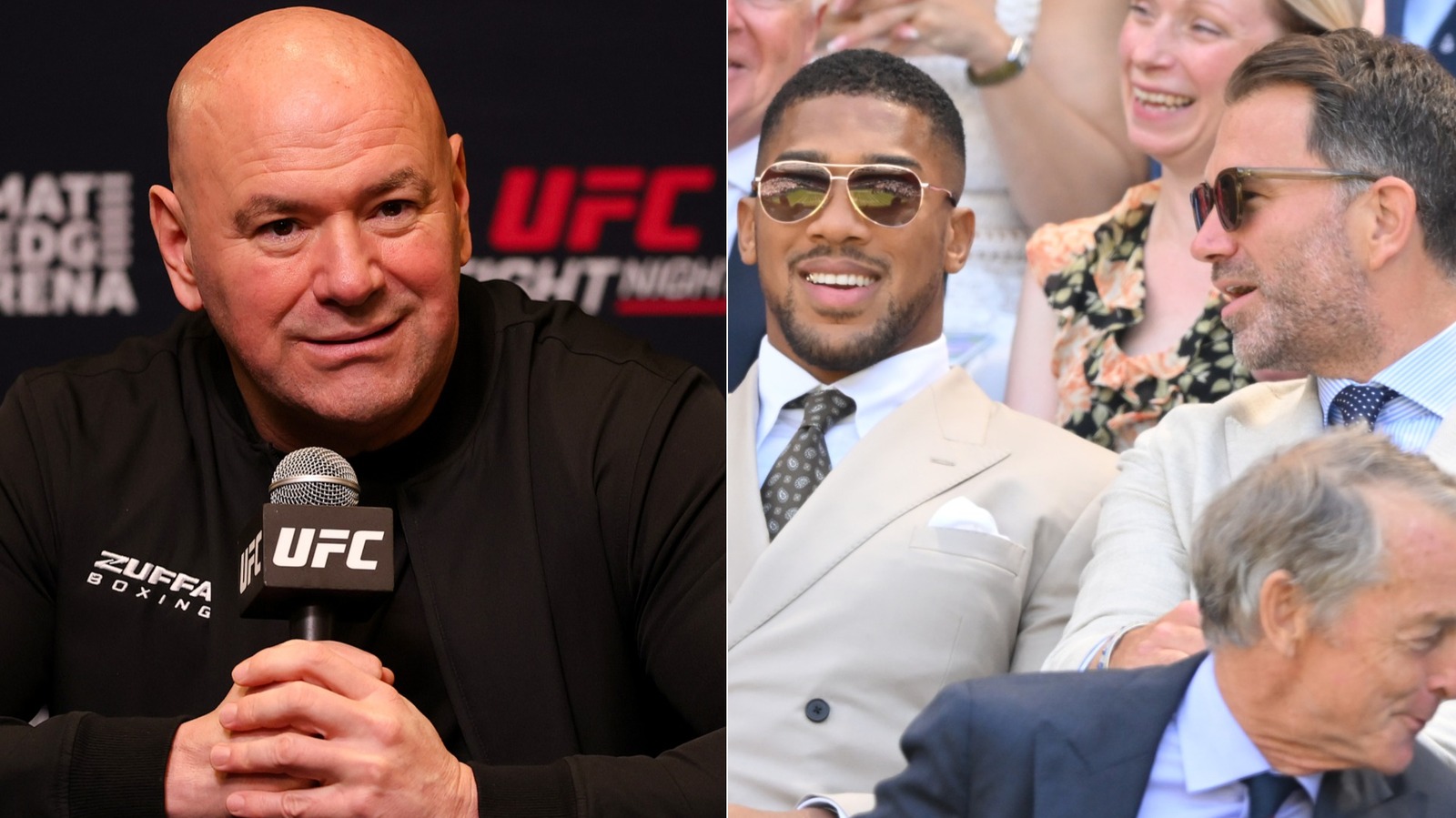
Dana White knows exactly what he is doing when he walks to a microphone. He doesn't accidentally drop industry-shaking news. When the UFC CEO casually mentioned that he would be promoting the long-awaited heavyweight clash between Anthony Joshua and Tyson Fury, he wasn't slipping up. He was throwing a very deliberate hand grenade into the offices of Matchroom and Queensberry.
The boxing world reacted exactly as you would expect. Immediate denial. Frantic text messages to reporters. The established guard pushing back against the MMA monolith.
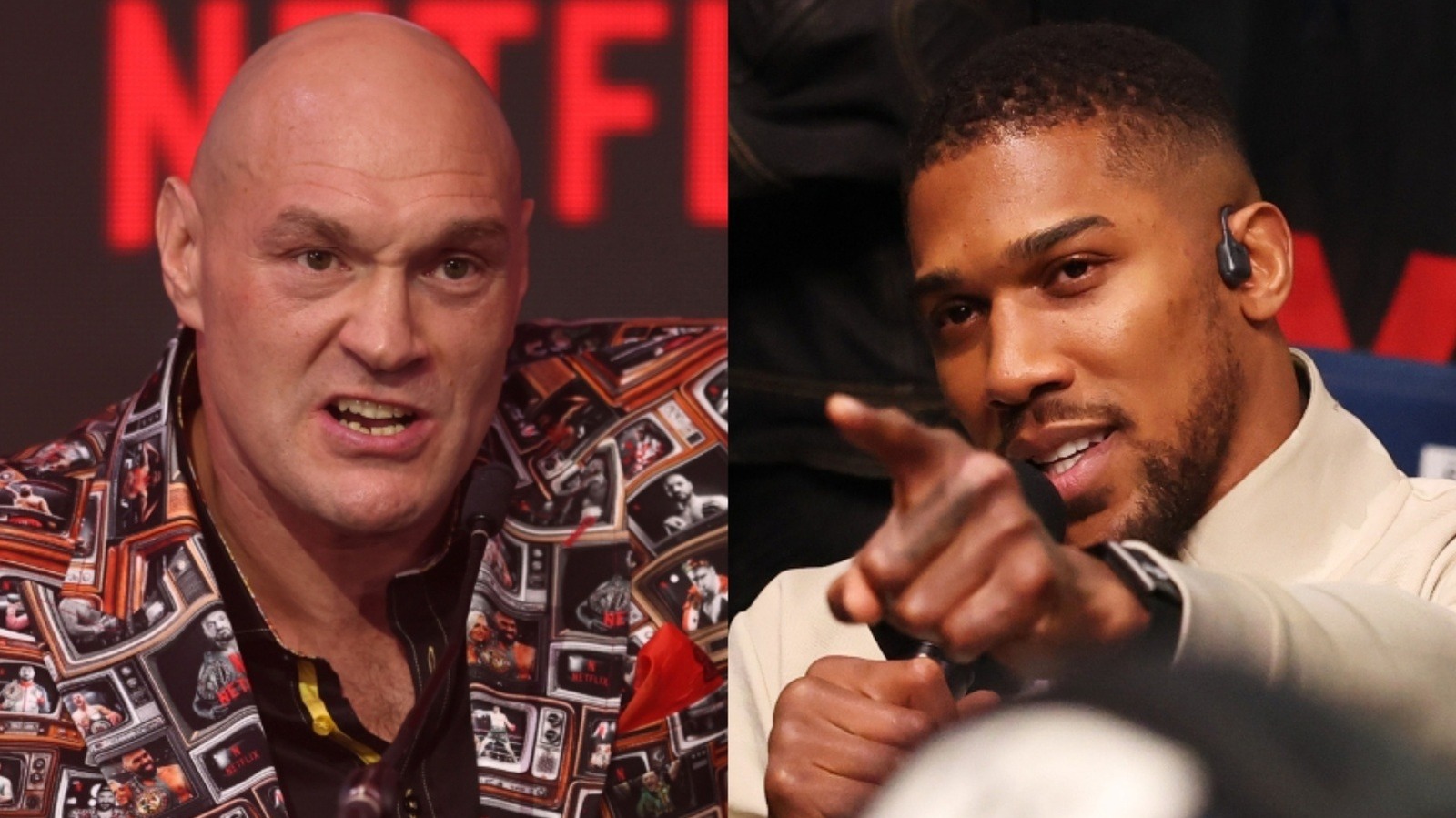
According to a recent report from Wrestling Inc, White is publicly claiming he is at the helm for Joshua vs. Fury. Meanwhile, the entrenched boxing promoters are rushing to squash the narrative. It's a fascinating standoff, completely divorced from the actual mechanics of a left hook or a slip-and-rip combination. This is a fight about control, ego, and the future of combat sports packaging. It feels less like a traditional boxing build and more like the Monday Night Wars, with billionaire promoters desperately trying to prove who holds the real stroke.
For a decade, this fight has been the white whale of British boxing. We have sat through collapsed negotiations, arbitrary deadlines, and mandatory challengers ruining the timeline. Now that it is finally on the horizon, the idea that the UFC boss is swooping in to take the credit is causing absolute chaos behind the scenes.
The Ghost of Zuffa Boxing
To understand why this claim is so inflammatory, you have to look backward. Dana White has flirted with boxing for over a decade. Remember the Zuffa Boxing t-shirts? Remember the grand promises to fix a broken sport?
He correctly diagnosed the disease. Boxing's promotional model is fractured. Rival promoters refuse to work together. Television networks build walled gardens. The best rarely fight the best when they should. White saw this inefficiency and thought his centralized, iron-fisted UFC model could clean it up.
But diagnosing the disease is not the same as curing it. Every time White dipped his toe into the boxing waters, he recoiled at the financial realities. In the UFC, the promotion takes the lion's share of the revenue. The brand is the draw. In boxing, the fighter is the draw. Tyson Fury and Anthony Joshua are accustomed to massive, guaranteed purses that invert the UFC's pay structure.
This is where White's claim falls apart under scrutiny. He has historically despised dealing with boxing managers and the Ali Act regulations. Why would he suddenly insert himself into a negotiation involving Eddie Hearn, Frank Warren, and the most complicated heavyweights on the planet?
The Obsession with the Squared Circle
To really grasp why White is making this claim, you have to look at his personal history. Before the UFC, before the Fertitta brothers bought the promotion, White was a boxing guy. He ran boxercise classes. He idolized the old-school promoters, even as he openly criticized their modern counterparts.
Boxing is his first love. MMA made him rich, but boxing has always been the girl who got away. He looks at the sport with a mixture of deep affection and utter contempt for how it is run.
When the UFC co-promoted Floyd Mayweather vs. Conor McGregor, White got a taste of the big room. That wasn't just a fight; it was a global cultural event. It generated revenue that dwarfed standard UFC pay-per-views. He saw the sheer scale of elite-level boxing money. He wore the suits, he did the world tour, and he stood on the stage with Leonard Ellerbe and Stephen Espinoza.
But he was always the B-side promoter in that equation. McGregor was the challenger stepping into Mayweather's world. Mayweather Promotions dictated the terms. They controlled the pacing. They controlled the narrative. White had to play along.
He hates that dynamic. He hates not being the loudest voice in the room. This current situation with Joshua and Fury feels like a delayed reaction to that Mayweather experience. White wants to prove that he can be the A-side in a boxing negotiation. He wants to prove that his machine is bigger than the sport itself.
The Riyadh Connection
We cannot analyze this promotional clash without talking about the money behind it. The power center of combat sports has relocated. Las Vegas is no longer the undisputed capital. Riyadh holds the checkbook.
Turki Alalshikh has done what decades of fan pressure could not. He forced rival boxing promoters to sit at the same table. The 5 vs 5 cards between Matchroom and Queensberry were proof of concept. If the Saudis want a fight, they pay above market value to make it happen.
Dana White has built a very cozy relationship with that exact same checkbook. The UFC's recent moves into the region have been highly lucrative. White respects power and he respects unlimited budgets. If Riyadh Season is the entity actually paying for Joshua vs. Fury, and White is tight with the organizers, his claim suddenly makes a warped kind of sense.
He isn't replacing Hearn or Warren. He is trying to sit above them. He wants to be the face of the production, the stamp of approval that signals this isn't just another sluggish boxing pay-per-view. It is a power play.
A Clash of Promotional Styles
Let's be incredibly clear about the flaws in White's approach here. His insistence that he can just walk into boxing and run the biggest heavyweight fight of the generation is pure arrogance. It insults the groundwork laid by the people who actually built these fighters.
Eddie Hearn took Anthony Joshua from an Olympic gold medalist to a stadium-filling superstar. Frank Warren navigated Tyson Fury's comeback from the absolute brink, steering him to the Deontay Wilder trilogy. These promoters did the heavy lifting. White jumping in at the finish line to put a UFC-style coat of paint on the event is opportunistic at best.
Furthermore, what does Dana White actually add to the promotion of two guys who are already household names? Joshua and Fury don't need the UFC marketing machine to sell out Wembley or a stadium in Riyadh. They sell it out on their names alone.
White's production values are excellent, yes. The UFC rarely misses cues. But boxing fans don't buy pay-per-views for the lighting rig. They buy it for the violence.
The Mechanics of the Lie
Boxing is a sport built on half-truths and posturing. When the boxing world vehemently denies White's involvement, we have to read between the lines. They are likely telling the truth about the contracts. White's name is probably nowhere on the bout agreements. But they are terrified of the optics.
Hearn and Warren are hyper-protective of their brands. Having Dana White hijack the news cycle weeks out from the fight takes the spotlight off their promotional companies. It forces them to answer questions about the UFC rather than the undercard they are trying to sell.
White knows this. He is a master manipulator of the media cycle. By simply throwing his name into the hat, he has ensured that every press conference leading up to the fight will feature a question about him.
"Dana White claims that he is promoting the upcoming fight between Anthony Joshua and Tyson Fury, but the boxing world says otherwise."
That single line tells the whole story. It is a one-way claim. It is an unrequited promotional marriage.
What Happens in the Ring?
While the suits argue over who gets their logo on the canvas, there is an actual fight to analyze. And it is a fascinating stylistic clash that has aged unexpectedly well.
Five years ago, the consensus was that Fury's movement would easily baffle Joshua. Fury was the elusive ghost who made Deontay Wilder look foolish. Joshua was the rigid, upright European champion who struggled with slick movement.
But heavyweights evolve, and they age. Fury has taken massive damage in the intervening years. The Wilder trilogy shortened his prime. His reliance on leaning and clinching has become more pronounced as his footwork has slowed. He is no longer the dancer who beat Wladimir Klitschko. He is a grinding, heavy tactician.
Joshua, conversely, has rebuilt his confidence with trainer Ben Davison. Following his setbacks against Oleksandr Usyk, he has rediscovered the spiteful right hand that knocked out Klitschko. He isn't trying to out-box the slick movers anymore. He is setting traps and throwing with violent intent.
If Fury tries to initiate the standard clinch and lean that drained the legs of Wilder, he might find himself eating a sharp right uppercut on the inside. Joshua is physically stronger than Wilder and fundamentally sounder when his posture is broken. But if Fury can establish his 85-inch reach early and keep Joshua turning off the center line, the old stamina doubts will creep back into Joshua's mind.
The pacing will be everything. If Joshua allows Fury to dictate the tempo in the first four rounds, it becomes a long, frustrating night. If Joshua steps across the line and forces Fury backward immediately, we get a firefight.
The Verdict
The noise outside the ring will continue to be deafening. Dana White will keep dropping hints, the boxing promoters will keep denying them, and the fans will be caught in the middle of a corporate soap opera.
But when the bell rings, none of the promotional posturing matters. It comes down to who has more miles on the odometer and who can impose their tactical will.
Here is the truth: White is not running this show. The boxing establishment is too entrenched to let him take the wheel. He might get a courtesy mention or a branding deal through the Saudi organizers, but this is a Matchroom and Queensberry production.
As for the fight itself, I expect a cagey start followed by a dramatic middle. Fury's punch resistance isn't what it used to be. Joshua is hitting harder than ever. But Fury's sheer bloody-mindedness and ability to survive the darkest moments remain his greatest weapons.
Prediction: Tyson Fury survives an early knockdown to win a grimy, controversial split decision, leaving us with a desperate demand for a rematch. And you can bet Dana White will claim he is promoting that one, too.