The Big Picture: How We Measure Greatness
The history of combat sports is not built on championships alone, but on specific nights where the trajectory of the industry shifted permanently. We measure these moments by cultural impact, stylistic innovation, and the sheer volume of eyes glued to the cage or ring at the final bell.
The Rankings: From Strategy to Spectacle
1. Royce Gracie at UFC 1. This remains the alpha. By forcing Gerard Gordeau to tap out in the opening round, Gracie proved that technical leverage conquered raw power. It invalidated decades of singular-discipline arrogance in under five minutes.
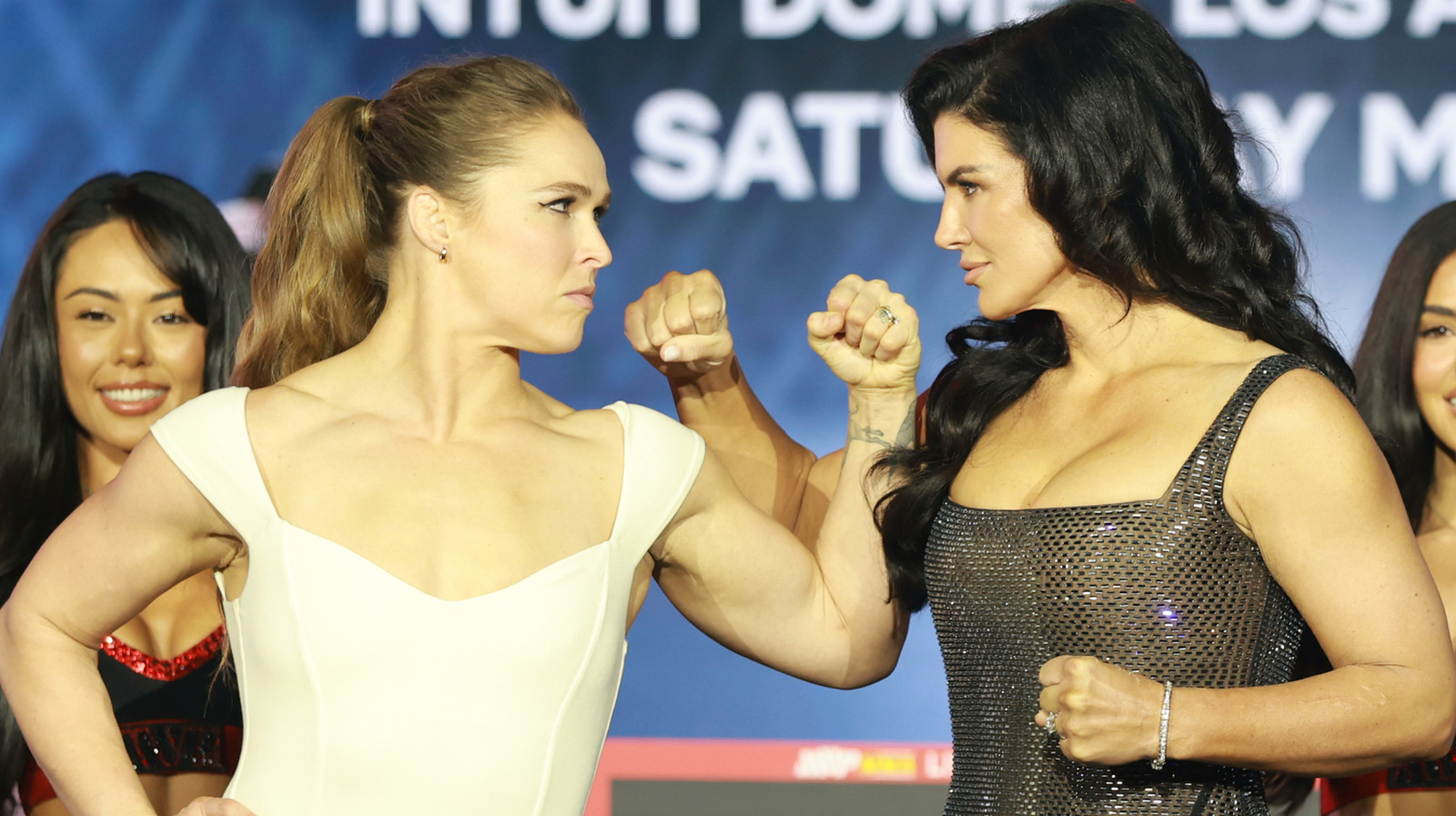
2. Ronda Rousey vs. Gina Carano (Anticipated). While this bout has yet to occur, Ronda Rousey expects it to be the biggest MMA fight of all time. The weight of this potential match-up outweighs current contenders because it bridges two generations of female pioneers. It earns the second spot because it effectively validates the long-term marketability of non-traditional stars.
3. Brock Lesnar defeating Randy Couture. At UFC 91, Lesnar shifted the revenue model of the sport. His crossover appeal turned a niche spectacle into a pay-per-view behemoth overnight. Despite initial questions about his technical resume, he proved his worth in the second round by out-striking a legend.
4. Conor McGregor vs. Jose Aldo. The 13-second finish at UFC 194 did more than end a title reign. It destroyed the perception of Aldo’s invincibility and solidified McGregor as a multi-divisional force. It sits at four because the sheer speed of the finish remains unmatched in championship history.
5. Anderson Silva vs. Chael Sonnen at UFC 117. Sonnen dominated until the final round where Silva locked in a triangle armbar. It proved that even a master of pressure can be dismantled by a flash of genius. It ranks lower than the top four because the outcome, while athletic, was marred by Sonnen’s lackluster post-fight disciplinary record.
6. Jon Jones vs. Alexander Gustafsson at UFC 165. This turned into a technical war of attrition. Jones displayed a defensive vulnerability that critics previously said did not exist. It lands here because it proved that champions are not infallible, even when the cards go their way after 25 minutes.
7. Amanda Nunes vs. Cris Cyborg at UFC 232. Nunes ended the 13-year unbeaten streak of the most feared striker in the division. The finish came at 51 seconds of the first round. It deserves a spot for the sheer audacity of the game plan; she did not box, she brawled.
8. Fedor Emelianenko vs. Mirko Cro Cop. This meeting of legends in Pride Fighting Championships represented the zenith of the heavyweight era. It lacked the commercial polish of modern promotions but displayed a higher level of tactical chess. It sits at eight only because its lack of mainstream Western distribution diminished its global legacy.
9. George St-Pierre vs. Matt Hughes at UFC 65. The passing of the torch was literal and brutal. St-Pierre outclassed the long-reigning champion with a head kick. It remains a masterclass in evolution, though it feels slightly clinical compared to the raw chaos of newer weight classes.
10. Robbie Lawler vs. Rory MacDonald at UFC 189. This fight was a gruesome display of endurance. While it did not change titles as dramatically as others, it set the gold standard for grit. It drops to tenth only because the physical toll taken on the athletes resulted in a significant decline for both men afterward.
Honorable Mentions
Honorable mentions include Forrest Griffin vs. Stephan Bonnar at The Ultimate Fighter finale, which quite literally saved the company from bankruptcy. We also acknowledge the chaotic brilliance of Demetrious Johnson's flying armbar against Ray Borg, perhaps the most technically creative finish ever captured in modern competition.
The Reality Check
Not every moment improves the sport. The increasing shift toward spectacle-based matchmaking often forces legitimate contenders to sit on the sidelines for years. We see this with the constant restructuring of weigh-in procedures and the inconsistent application of eye-poke penalties. These remain the primary flaws in an otherwise high-stakes sport.