The 69-second collapse in Las Vegas
Conor McGregor’s long-awaited return to the Octagon at UFC 329 ended in medical catastrophe. Following a 69-second outing against Max Holloway on July 11th, 2026, McGregor is set to undergo surgery to address a significant lower-body injury. The fight, which was billed as a high-stakes rematch, concluded with McGregor unable to continue, leaving the T-Mobile Arena crowd stunned and the former dual-weight champion sidelined once again.
While industry analysts are already questioning the sustainability of McGregor’s career, the medical reality is immediate. The former champion has confirmed the need for a surgical intervention, a process that historically necessitates a multi-month recovery window before any contact training can resume.
The injury timeline and medical scrutiny
Initial speculation regarding a pre-existing condition surfaced almost immediately after the bout. However, McGregor has publicly denied that he entered the cage with a known knee injury. Despite these denials, the visual evidence of his collapse following nominal strikes from Holloway has led to intense discourse regarding his physical durability in high-level MMA competition.
This is not the first time McGregor has faced such a setback. His history of lower-body trauma adds a layer of complexity to this recovery. Medical professionals often point to the cumulative stress placed on joints following recurring structural damage. The recovery for a professional athlete at his age and level of accumulation typically spans 6 to 12 months for a full return to peak, high-intensity performance.
Strategic fallout and sector response
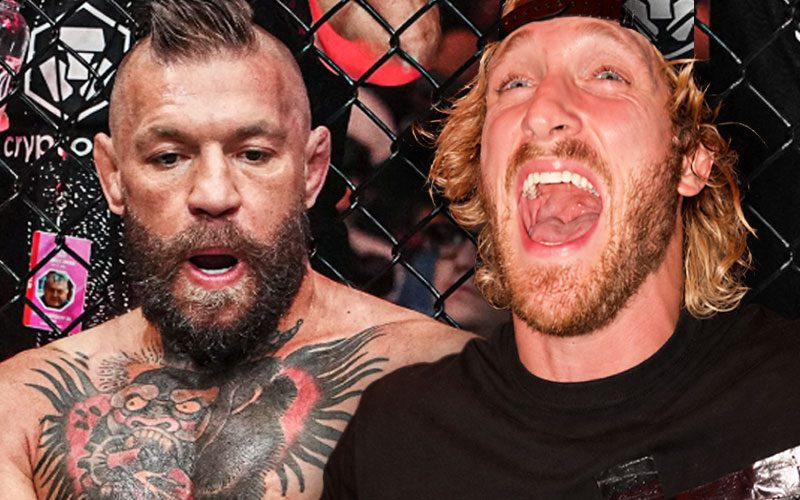
The backlash from vocal critics like Logan Paul is reflective of the skepticism currently surrounding McGregor's status as a top-tier fighter. The optics are poor: a massive promotional push, a high-profile return, and a finish that took less than 70 seconds. The data from the night supports the narrative of a quick downfall, with official statistics showing McGregor recorded a staggeringly low output of significant strikes before the stoppage.
There is a growing divide in the community over how to treat this latest failure. Figures like Ryback have publicly called for respect, citing the inherent risks of the discipline, while other commentators, including Daniel Cormier, have begun openly discussing the possibility that McGregor has reached the end of his effective career in the sport. This internal debate serves as a barometer for how fans are beginning to move on from the McGregor era.
The wider implications
The UFC brand relies heavily on the draw power of its marquee names. When an athlete of McGregor’s stature returns and exits the arena in such an underwhelming fashion, the impact on future card buoyancy is noticeable. The unfortunate statistics logged on Saturday indicate a diminishing return on investment for the promotion. Every second spent on the canvas is lost revenue for the broadcasting partners and stakeholders involved in the event.
Furthermore, the crossover debates—such as recent sentiments regarding potential transitions to professional wrestling—are being challenged by these physical limitations. Athletes like Gable Steveson have noted that the endurance and physical demand of MMA are distinct, and McGregor’s recurring inability to stay healthy during training camps and actual bouts raises red flags for any organization looking to make a massive financial commitment to his services.
The path forward
McGregor’s immediate future is tethered to the operating room. Surgeons and physical therapists will dictate the next steps, but at this stage, any discussion regarding a return timeline remains tentative. The reality is that competitive biology does not respect promotional schedules or pay-per-view demands.
The 69-second duration of the bout served as a harsh reminder that the window for elite performance closes abruptly. Whether he can find a way to rehabilitate his knee and regain mobility sufficient for top-tier MMA remains the primary variable. Until that surgery concludes and the healing process begins, the sport of MMA is operating without one of its most recognizable figures.