The UFC 329 medical fallout
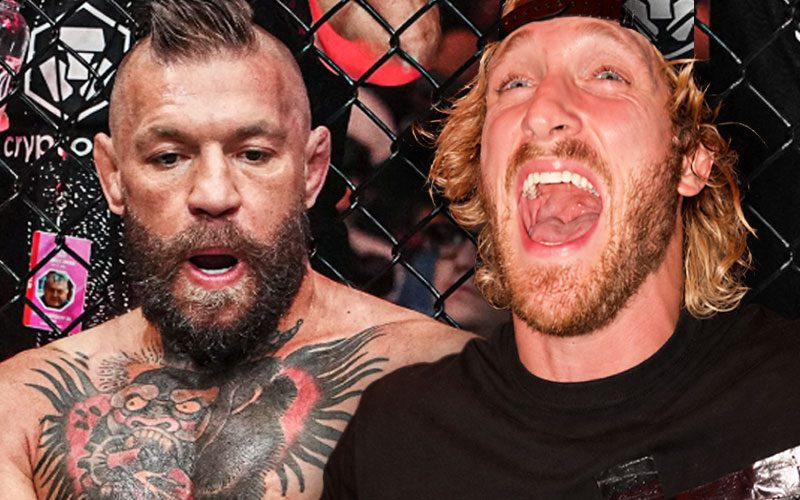
Conor McGregor is facing an uncertain future in professional fighting following his catastrophic return at UFC 329. The July 11, 2026, main event against Max Holloway ended in just 69 seconds, leaving McGregor with a significant leg injury that the fighter has now officially confirmed will require surgery.
Despite public denials from McGregor’s camp regarding any pre-existing conditions, the physical reality inside the T-Mobile Arena tells a different story. The fight concluded after an awkward exchange where McGregor’s leg appeared to give way under minimal pressure, forcing an immediate end to the contest.
A pattern of physical instability
This injury marks a depressing trend for the former double-champion. His ability to sustain high-level bouts has been heavily scrutinized since his last extended hiatus. While some figures in the combat sports world, such as Ryback, have urged the public to offer respect rather than mockery, the statistics from the bout are unforgiving. McGregor recorded arguably his most unfortunate stat line to date, failing to mount any functional offense before the referee intervened.
The timeline for a recovery of this nature typically spans months if not a full year, assuming the surgery is successful. Historical precedent in MMA suggests that repeated lower-extremity injuries significantly alter a fighter's explosive capability. For a striker who relies on distance management and lead-leg movement, this recovery is not merely a matter of healing bones; it is a matter of restoring the core functionality needed to compete at the UFC level.
Strategic and industry implications
The business side of this return has already soured. Following the performance, Logan Paul was quick to label the result as pathetic, illustrating the growing divide between traditional MMA legends and the modern era of crossover celebrities. The promotional effort behind this bout was massive, yet the 69-second duration renders the entire event an operational disappointment for stakeholders.
Industry voices are already questioning the sustainability of McGregor’s career. Commentary from figures like Daniel Cormier suggests that this may indeed be the final chapter for the Irishman in the sport. The reliance on legacy stars to anchor major pay-per-view cards has hit a critical failure point.
Comparing the landscape
We are seeing constant speculation regarding cross-sport viability, with individuals like Gable Steveson weighing in on whether WWE performers might actually bridge the gap to MMA more effectively than fading MMA stars can transition to professional wrestling. This is a direct consequence of the volatility seen at UFC 329. When the headliner cannot make it out of the first round, the perceived value of the product drops instantly.
McGregor’s insistence that he will return is standard rhetoric for an athlete at this crossroads. However, the data confirms he is not the same fighter. Without the mobility that defined his rise, the path to a meaningful comeback is statistically negligible. He is now entering a cycle of recovery that will test not just his physical resilience, but his relevance in a sport that moves on with or without him.