
Jake Paul is wrong about the UFC dying, but he's right about the rot
The Disruptor’s Playbook and the IQ Argument
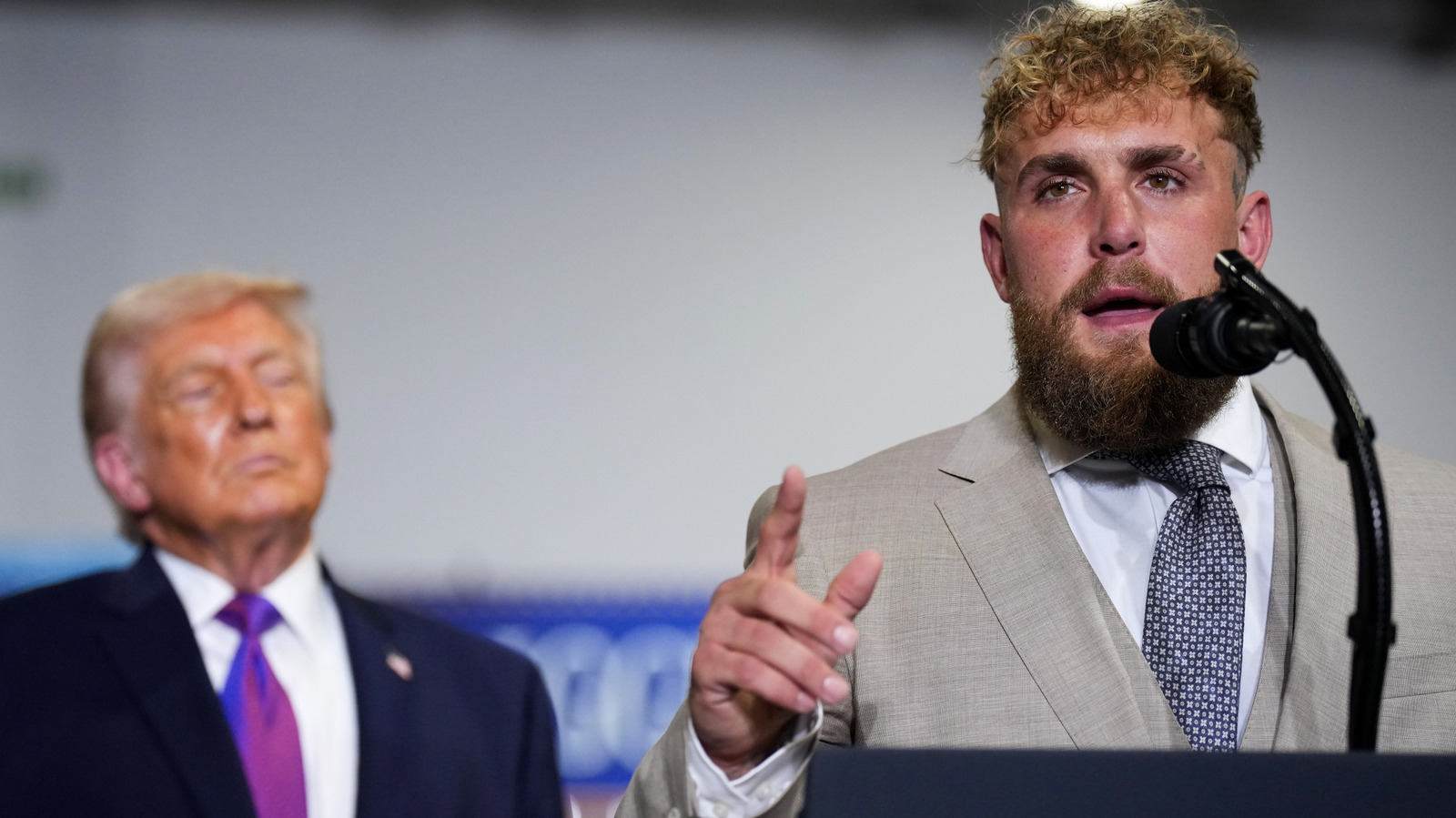
Jake Paul is a professional irritant, but his latest broadside against Dana White on Wrestling Inc. hits a nerve because it targets the one thing White prides himself on: promotional intelligence. Paul’s claim that the UFC is dying and that White isn't smart enough to save it is a calculated piece of hyperbole designed to trend on a Thursday afternoon. But behind the noise of a 29-year-old YouTuber-turned-prizefighter lies a valid critique of a promotion that has traded its soul for a corporate spreadsheet.
The UFC isn't dying in a financial sense; it is more profitable than at any point in its history. However, the product is undergoing a visible decay in quality that supports Paul's thesis about a lack of adaptive intelligence at the top. While I watch the UEL Quarter-Finals on one screen today, the contrast between the UFC’s stagnant presentation and the evolving tactical sophistication of global football is stark. White’s model remains rooted in a 2010 mindset of 'The Brand is the Star,' a strategy that is beginning to fail in a creator-led economy.
The TKO Consolidation Trap
Since the merger into TKO Group Holdings, the UFC has prioritized cost-cutting and predictable revenue over the chaotic, star-driven energy that built the company. We see this most clearly in the continued reliance on the UFC Apex in Las Vegas for a significant portion of their schedule. These events save millions in travel and production costs, but they produce a sterile, graveyard atmosphere that actively devalues the fighters on the card. It is a 'smart' move for a quarterly earnings call, but a 'dumb' move for a sport that relies on the visceral roar of a live crowd to convey importance.
White’s intelligence has always been that of a ruthless gatekeeper. He succeeded by centralizing power and ensuring no fighter ever became bigger than the three letters on the octagon floor. But in 2026, that centralization is a liability. Fans follow individuals, not logos. When Paul says White isn't smart enough to save the UFC, he’s pointing to the fact that the promotion has failed to produce a genuine cross-over superstar since Conor McGregor. They’ve built a factory that produces efficient mid-tier athletes, but they’ve lost the ability to market a generational icon.
Revenue vs. Relevance: The 17.5 Percent Problem
The most damning evidence Paul brings to the table is the stagnant nature of fighter compensation. While the NBA and NFL hover around a 50 percent revenue split with players, the UFC reportedly remains stuck at roughly **17.5%**. This isn't just a moral failure; it’s a tactical one. By suppressing pay, the UFC is slowly leaking elite athletic talent to other ventures or, more realistically, preventing that talent from ever choosing MMA in the first place.
If you are a 220-pound freak athlete in 2026, you look at the CTE risks and the starting salary of a UFC newcomer and you choose literally any other path. This roster dilution is the 'rot' that Paul is sensing. The depth of talent in the featherweight and bantamweight divisions remains high, but the heavy-hitting glamor divisions are becoming a desert of aging veterans and unpolished prospects. White’s refusal to adjust the pay scale is the stubbornness of a man who thinks he still owns the only game in town.
The reality is that the market for 'combat entertainment' has decentralized. Between Paul’s own Most Valuable Promotions, the PFL’s heavy investment in tournament structures, and the rise of niche grappling leagues, the UFC no longer holds a monopoly on the narrative. White's response has been to double down on the 'Contender Series' model, which prioritizes cheap, desperate labor over established excellence. It is the tactical equivalent of a football team selling its youth academy to pay for a stadium renovation; it looks good on the books today, but you’ll have no strikers in three years.
The WrestleMania Comparison
We are just ten days away from WrestleMania 41 at Allegiant Stadium, and the contrast between the two TKO siblings is embarrassing for the UFC. WWE has embraced a nuanced, long-term storytelling approach that has seen them sell out stadiums months in advance. They are managing John Cena’s farewell tour with surgical precision, creating 'event' television that feels essential. Meanwhile, the UFC’s upcoming schedule feels like a blur of interchangeable 'Fight Nights' that exist only to satisfy a broadcast contract.
If White were as 'smart' as his defenders claim, he would have learned from the WWE’s recent creative resurgence. Instead, he maintains a disdain for the 'entertainment' side of the business, even as his own product becomes increasingly formulaic. The UFC’s production value hasn't changed in a decade. The same graphics, the same walkout music, the same post-fight interview tropes. It is a product that has stopped evolving because it is afraid to take a risk that might upset the guaranteed revenue from the ESPN+ deal.
The Innovation Gap and the Apex Era
The Apex was a necessary bridge during the 2020 lockdowns, but its permanence is a sign of intellectual laziness. It has become a crutch for a promotion that is too tired to market 42 live events a year in different cities. When a fighter wins a main event in front of 200 people in a quiet room, it doesn't matter how technically proficient they are. The lack of stakes is infectious. It tells the viewer that this event doesn't matter, so why should they care about the next one?
Paul’s criticism of White’s intelligence also touches on the digital space. The UFC’s social media strategy is still built on 'owning' the footage and striking down creators. They view the internet as a threat to be managed rather than an engine to be harnessed. Paul, for all his flaws, understands how to build a narrative across platforms without a billion-dollar broadcast partner. He is a native of the 2026 media environment; White is a tourist who refuses to use a map.
The UFC’s 'dying' state isn't an immediate cardiac arrest. It’s a slow, creeping irrelevance. It’s the feeling that the 'big fight' feel has been replaced by a 'content' feel. When the UFC settled its massive antitrust lawsuit for **$335 million**, it was a signal that the old way of doing business was under fire. But instead of innovating, the promotion has retreated into its shell. They are betting that the brand is strong enough to survive a lack of stars. History suggests that in combat sports, the brand is only as strong as the last person to walk into the cage.
The Critical Observation: Paul’s Hypocrisy
To be fair, Jake Paul is a flawed messenger. He decries the UFC’s pay structure while often headlining cards where the undercard fighters make less than a standard UFC developmental contract. He talks about 'saving' the sport while participating in exhibitions that treat the technical aspects of boxing as an afterthought. He is a merchant of outrage, and his 'UFC is dying' rhetoric is part of the sales pitch for his next event.
However, a messenger’s hypocrisy doesn't invalidate their message. The UFC is currently a victim of its own success. It became so efficient at making money that it forgot how to make magic. The tactical rigidity of the promotion—the refusal to allow sponsors on shorts, the rigid uniform deals, the ban on outside media—has created a sterile environment where personality goes to die. If Dana White were truly the promotional genius he claims to be, he would realize that the UFC is currently the least 'cool' it has been in twenty years.
Conclusion: The Looming Identity Crisis
As we head toward the **2026** World Cup, the sports world is becoming more global and more connected. The UFC has a massive head start, but its growth has plateaued in key markets. The 'not smart enough' comment from Paul is a challenge to White to prove he can still innovate. Can he move past the 'tough guy' persona and the 1990s-style bullying of media and fighters? Can he create a product that feels like a sport again, rather than a data point for a conglomerate?
The UFC will still be here in five years, but what will it look like? If the current trend continues, it will be the combat equivalent of a 'fast-fashion' brand: cheap to produce, disposable, and ultimately forgettable. White has the resources to change course, but his ego might be the very thing that prevents him from seeing the rot Paul is talking about. The 'intelligence' required to save a brand isn't about winning an argument on a podcast; it’s about having the humility to realize when the game has changed.
The UFC's revenue might hit **$1.3 billion** this year, but revenue is a lagging indicator. Relevance is the leading indicator, and that is where the UFC is bleeding. Jake Paul isn't the doctor, but he's correctly identified the symptoms. Dana White might be smart enough to run a company, but he may not be smart enough to keep a culture alive. The next two years will decide if the UFC remains the gold standard or if it becomes a cautionary tale of corporate over-optimization.
WWE Ultimate Edition John Cena "Farewell Tour" Action Figure
A premium tribute to the GOAT's final run in the squared circle.
More Coverage

John Cena is just trolling us now at Fanatics Fest
1 day, 4 hours ago
Why the middleweight rematch at PFL Austin comes down to small tactical margins
1 day, 7 hours ago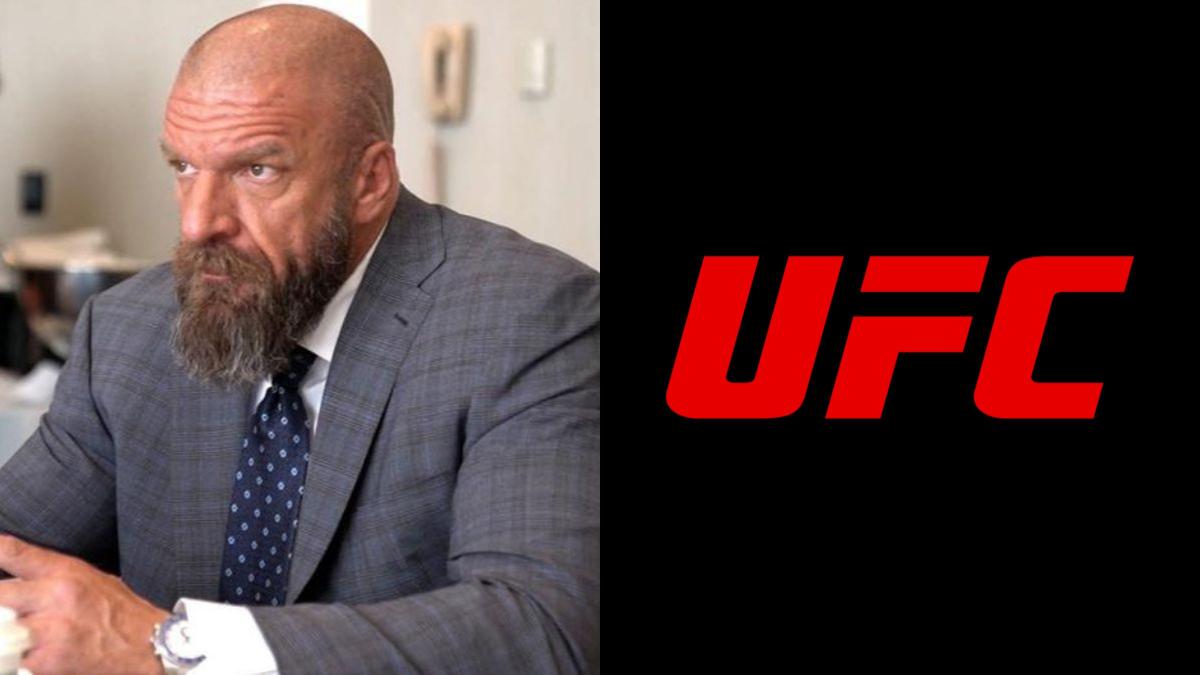
Colby Covington in a wrestling ring is a disaster waiting to happen
4 days, 16 hours ago
Conor McGregor’s career at a crossroads after UFC 329 injury
6 days, 2 hours ago
Conor McGregor facing surgery after UFC 329 comeback disaster
6 days, 4 hours ago
Conor McGregor faces surgery after disastrous UFC 329 return
6 days, 4 hours agoMore Analysis

The UFC White House card is a PR nightmare in the making
1 month, 2 weeks ago
Jake Paul claims TKO beef is keeping him out of his brother's WWE matches
2 months ago
The combat sports economy is broken and nobody wants to admit it
1 month, 3 weeks agoLuke Thomas is right to call out the UFC-Paramount money printer
3 months ago
TKO is burning cash on the White House card and fighters are pushing back
2 months, 3 weeks ago