The White House distraction
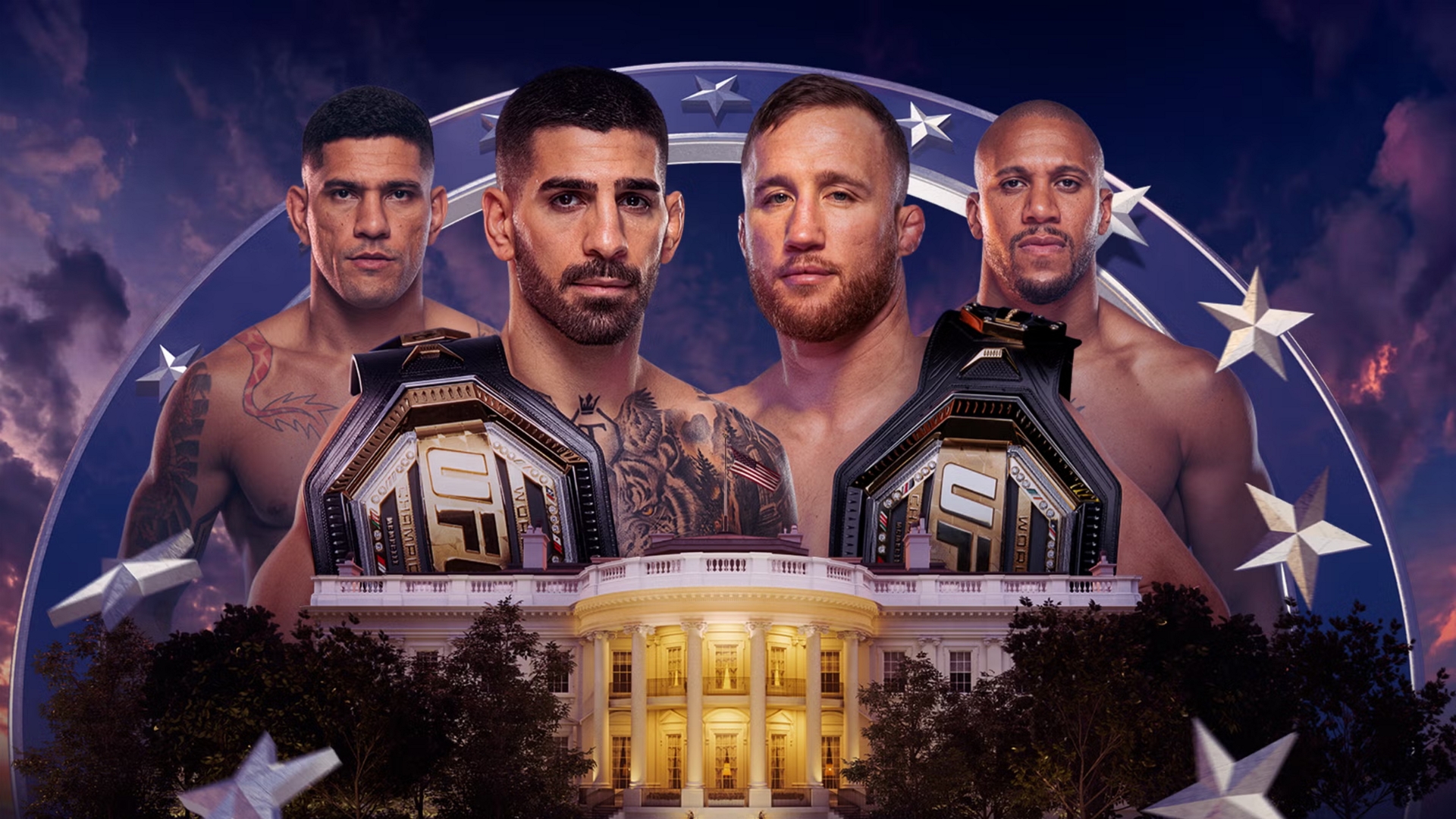
Dana White is currently riding the wave of UFC Freedom 250, a spectacle set for the grounds of The White House. The incentive structure for this card includes a massive bonus system that dwarfs standard fight night payouts. Fighters are chasing a bag that carries political weight, further cementing White's shift from pure promoter to political player.
The commitment to the spectacle is absolute. Winners on the card are slated to receive exclusive commemorative belts, pieces of merchandise displayed in The Oval Office. It is a brazen move to align the UFC brand with executive power, effectively turning a fight card into a massive photo opportunity.
The Joshua-Fury credibility gap
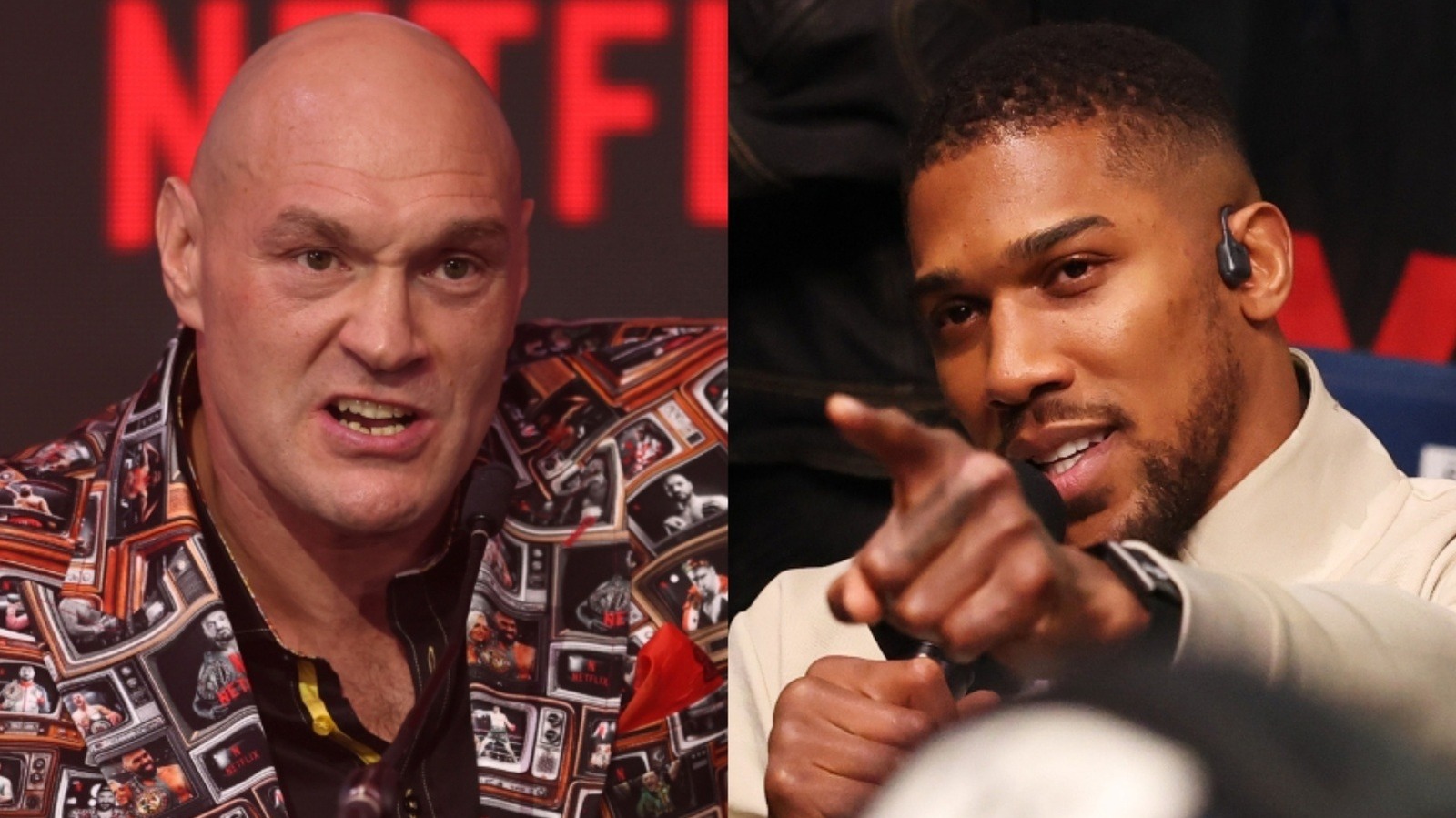
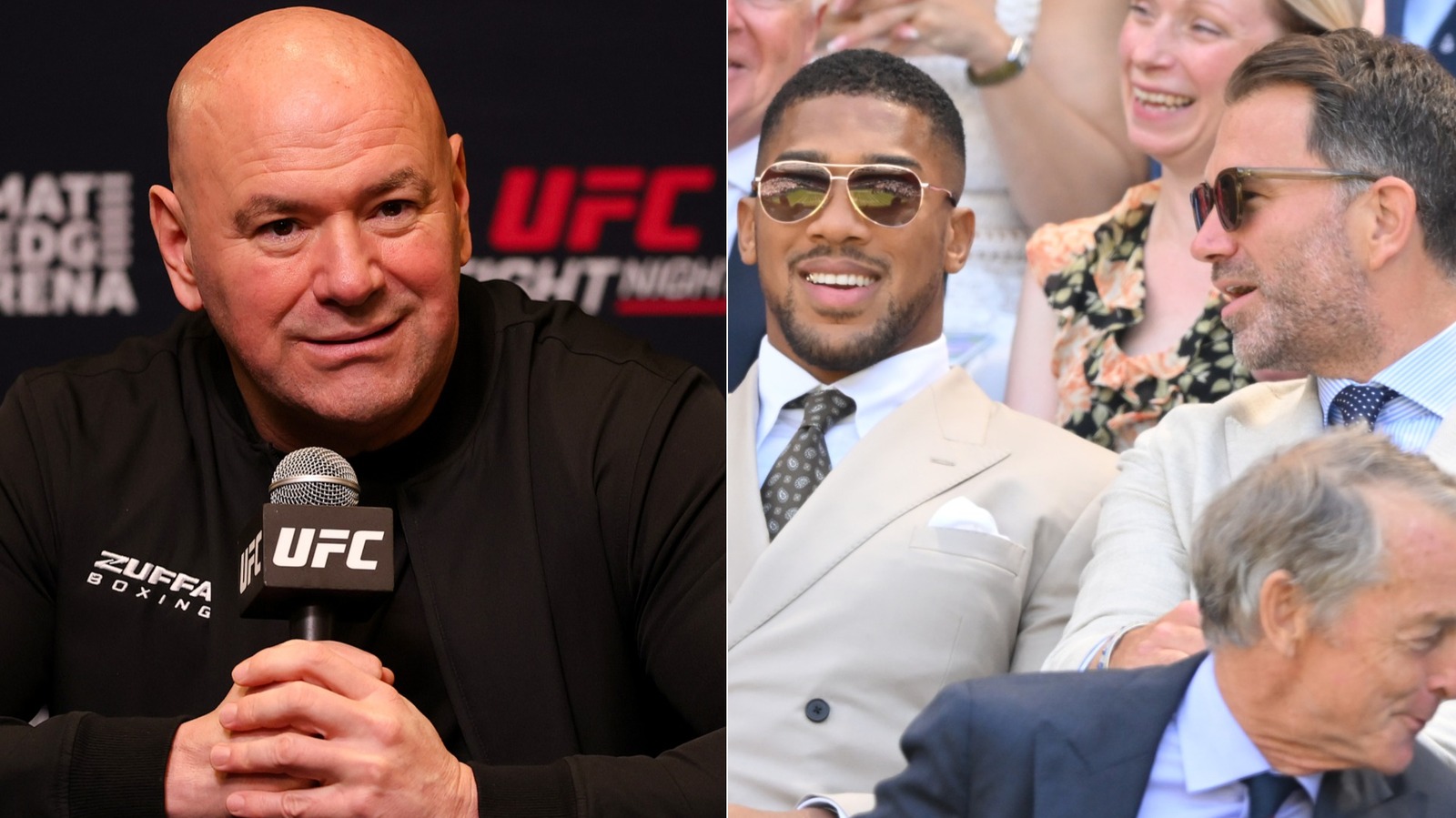
White’s recent claims that he is actively promoting the long-awaited Anthony Joshua versus Tyson Fury heavyweight clash have met immediate pushback. While White insists he is the lead architect for the contest, the boxing world remains largely unconvinced. Traditional promoters argue that the deal is already drifting into fantasy territory.
There is a recurring issue with White's public proclamations: the lack of verifiable contract details. Promoting a bout of this magnitude requires deep ties to boxing's existing sanctioning bodies, firms that have no history of working under the UFC banner. If White is indeed moving into boxing promotion, he is entering a space where the UFC's iron-fisted control model typically fails to gain traction.
Controversy and institutional stability
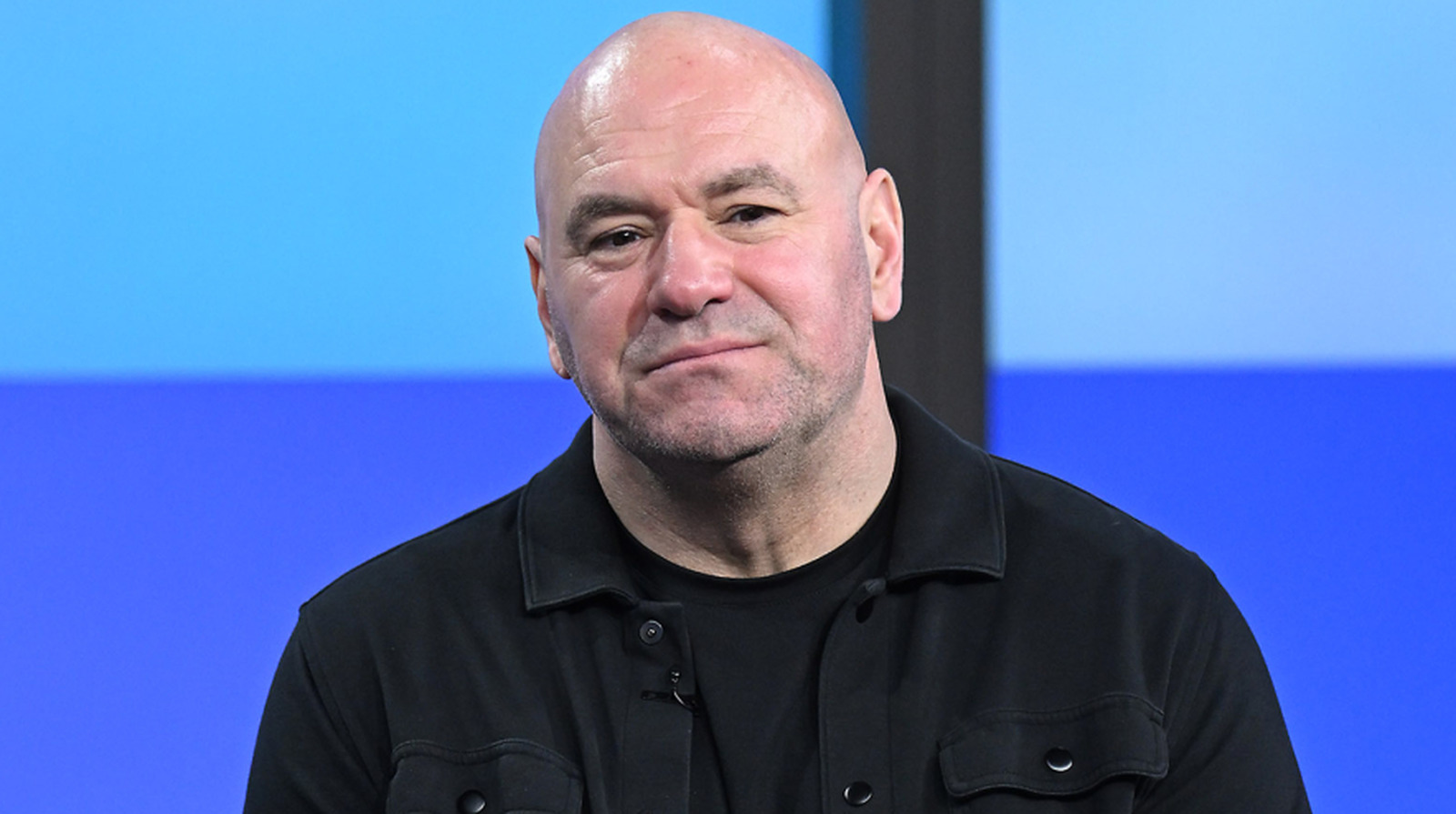
Behind the glitz of Washington D.C. events and boxing dreams, the discourse remains anchored in the past. White was recently challenged during media availability regarding the 2022 incident involving his wife, a moment that resulted in public footage of the pair in a physical altercation. Despite the intensity of the questioning, White stood firm.
He verified that stepping down from his role at the UFC was never part of the discussion. This refusal to yield to public pressure highlights the insulation he enjoys within his promotion. However, this lack of genuine accountability creates a permanent drag on the organization's reputation. It forces fans to distinguish between the product on the screen and the executive behind the curtain time after time.
Analysis of the promotional shift
Why move toward boxing now? The UFC's market saturation is hitting a ceiling in the United States. White requires a new frontier to maintain his momentum, and the heavyweight division in boxing offers a massive payday if he can actually secure the signatures of Joshua and Fury. The risk of rejection is high, however, as boxing promoters notoriously protect their territory.
If this deal falls through, the fallout for his credibility will be significant. He is staking his reputation as a dealmaker on a venture that the boxing establishment is currently ignoring. The strategy creates a high-stakes environment where any delay or cancellation is framed as a failure of his leadership rather than standard boxing contract negotiation.
Probability Assessment
The likelihood of White successfully promoting the Joshua vs. Fury bout is currently 30 percent. The boxing industry has structural mechanisms to block outside encroachment, and skepticism from industry insiders is near universal. White is looking for a win that he currently lacks the leverage to guarantee in a sport that does not adhere to his rules.
The impact of a potential failure is clear. It would expose the limitations of the UFC executive model when applied to traditional combat sports. A win, conversely, would solidify him as the most powerful figure in combat sports history, arguably eclipsing the influence of any single sanctioning body. Until a contract sits on a desk, it is best to view these claims as promotional noise intended to build intrigue around the upcoming D.C. event.