The UFC 329 fallout
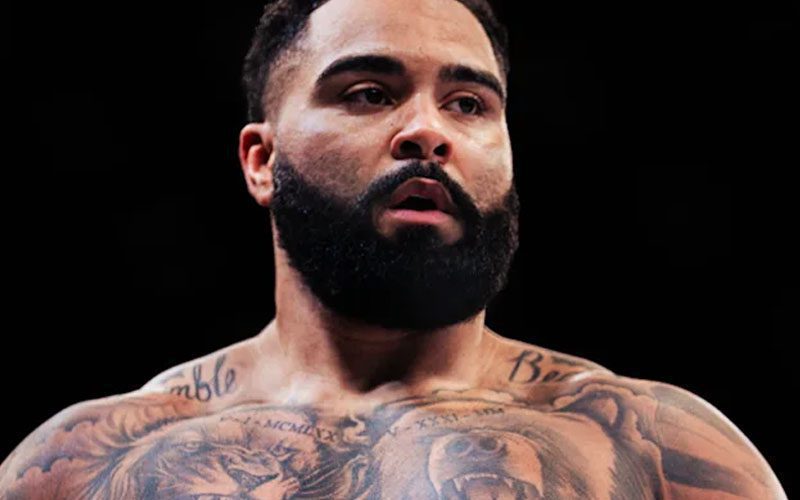
Conor McGregor exited UFC 329 in full fight gear, explicitly refusing crutches despite significant trauma to his right knee. The decision to forgo medical assistance in the immediate aftermath of his recent comeback attempt mirrors previous injury-management choices that have historically elongated his recovery cycles. Fans saw him struggle to exit the arena, yet he maintained a public facade of stoicism that ignores the physiological cost of fighting through joint instability.
Anatomy of the failure
The injury occurred during the first round of his main event contest. A misstep while pivoting to initiate a high-kick sequence left his right lead leg planted awkwardly. Medical staff confirmed shortly thereafter that the damage to the knee joint was acute enough to halt the bout, though McGregor insisted on walking out under his own power.
Ignoring mobility aids like crutches post-fight is a questionable decision. It increases the risk of aggravating soft tissue damage or bone bruising before an MRI can determine the extent of ligament involvement. Athletes of his caliber often view equipment as a sign of weakness, yet this approach frequently delays returning to combat training by months.
Historical context and recovery
We have seen this script play out before, specifically in his bouts against Dustin Poirier. Recoveries from major lower-body trauma require strict adherence to orthopedic protocols. When fighters bypass the early stages of recovery to save face, the long-term impact on their explosiveness is rarely positive.
For a fighter who relies on snap movement and distance management, a compromised knee is a career-defining hurdle. The industry standard recovery for high-grade ligament trauma is 9 to 12 months of specialized rehabilitation. This recovery duration effectively sidelines him for the remainder of the 2026 calendar year, regardless of his post-event public confidence.
The broader optics for UFC
This injury creates a massive void in the pay-per-view schedule for late 2026. While the company has been busy planning events like Full Gear in Phoenix during the same seasonal window, the loss of a major draw like McGregor forces a change in card hierarchy. Promoters now face the task of elevating mid-card talents to fill the main event spotlight without the benefit of a massive global headline.
Critical observation
The decision to force a walk-out without support highlights a recurring issue in how high-profile athletes perceive injury transparency. Opting out of assistive devices creates an unnecessary risk of permanent damage. Management should have intervened to mandate stabilization, as the spectacle of a limping athlete does not serve the sport or the fighter's longevity.
Looking ahead, the focus shifts to internal medical reports rather than showmanship. His ability to perform at a professional level next year depends entirely on disciplined physical therapy. If he attempts to train before the ligament integrity is restored, he risks repeat injury that could signal the end of his competitive viability. For now, the sport moves on to the autumn schedule, leaving the former superstar to deal with the quiet reality of his rehabilitation process.